
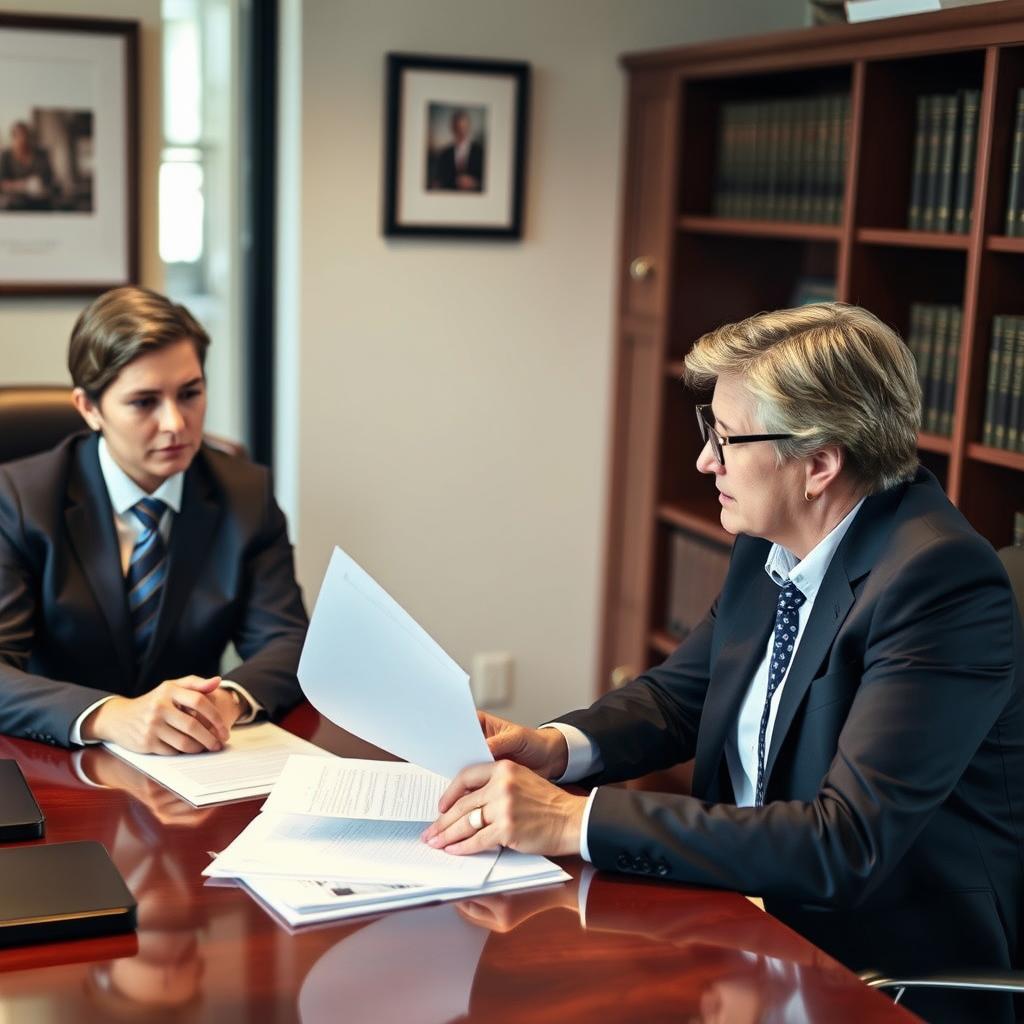
Cruelty Divorce Lawyer Louisa County, VA
When a marriage reaches a point where one spouse’s conduct becomes so severe that staying together is no longer tenable, Virginia law provides a path forward through fault-based divorce. In Louisa County, couples seeking to end a marriage on grounds of cruelty turn to legal counsel who understand both the statutory requirements under Va. Code § 20‑91 and the practical realities of presenting such a case before the Louisa County Circuit Court. Law Offices Of SRIS, P.C., founded in 1997, represents clients in cruelty divorce proceedings throughout Louisa County, including the communities of Louisa, Mineral, and Zion Crossroads. Mr. Sris, a former prosecutor who now serves as Owner and Founder of the firm, brings extensive experience in family law litigation to each matter. With his Of Counsel team, he works to protect clients’ rights and pursue fair resolutions in difficult domestic disputes. For a consultation about your situation, reach our Richmond Location at (888) 437‑7747. Law Offices Of SRIS, P.C. – Advocacy Without Borders.
What Cruelty Divorce Means in Louisa County, Virginia
Under Virginia law, cruelty is one of the fault‑based grounds for divorce from the bond of matrimony, recognized in Va. Code § 20‑91. A spouse seeking a divorce on cruelty grounds must prove that the other spouse’s conduct created a reasonable apprehension of bodily harm or made continued cohabitation unsafe or intolerable. This is not a showing of mere unhappiness or incompatibility; the evidence must demonstrate a pattern of behavior that goes beyond ordinary marital strife. In Louisa County, the Circuit Court at 100 West Main Street has jurisdiction over divorce, equitable distribution, and spousal support matters. The court evaluates cruelty claims on a case‑by‑case basis, considering the totality of the circumstances and the impact on the petitioning spouse.
Louisa County’s location along the I‑64 corridor, between Richmond and Charlottesville, places it within the Sixteenth Judicial District. The county’s rural character and close‑knit communities mean that family law disputes often involve sensitive local dynamics. When a cruelty divorce case proceeds, the court may address related issues such as custody, support, and property division in conjunction with the divorce decree. Because cruelty is a fault ground, it can affect the equitable distribution of marital property under Va. Code § 20‑107.3. The judge may weigh the circumstances that led to the dissolution of the marriage when deciding what is a fair and reasonable division. Our Richmond Location serves clients at the Louisa County courts; contact us at (888) 437‑7747 to discuss how your situation aligns with Virginia’s divorce statutes.
Louisa County General District Court is currently presided over by Hon. Claiborne H. Stokes Jr.. Court hours: Mon‑Fri 8:30AM‑4:30PM. Counsel appearing on family law matters should plan filings accordingly.
How Mr. Sris and His Of Counsel Handle Cruelty Divorce Cases
Mr. Sris and his Of Counsel approach each cruelty divorce with thorough preparation and a focus on the client’s objectives. Because cruelty cases hinge on factual proof, the team investigates the specific allegations, gathers relevant documentary evidence, and identifies witnesses who can corroborate the claims. In Virginia, an uncontested divorce hearing requires at least one corroborating witness, and this requirement applies with equal force to cruelty‑based proceedings. The firm works to build a record that clearly demonstrates the conduct that made the marriage unsafe or intolerable, while also protecting the client from disproportionate litigation costs.
The process begins with a consultation in which the attorney assesses the viability of a cruelty claim under Va. Code § 20‑91. If grounds exist, the team prepares and files the appropriate pleadings in Louisa County Circuit Court. Throughout the case, Mr. Sris and his Of Counsel handle all negotiations, court appearances, and, if necessary, trial advocacy. They also coordinate with forensic accountants or business valuators when complex marital estates require analysis. Because cruelty allegations can escalate conflict, the firm emphasizes strategic approaches aimed at preserving the client’s emotional and financial well‑being while advancing the legal case. The ultimate goal is to secure a divorce decree that protects the client’s rights and lays a foundation for the next chapter of their life.
About Mr. Sris and His Of Counsel Team
Mr. Sris, Owner and Founder of Law Offices Of SRIS, P.C., has been practicing law since 1997. A former prosecutor, he uses his courtroom experience to guide clients through complex family law disputes. Over his career, he has appeared in courts across Virginia, Maryland, the District of Columbia, New Jersey, and New York. Mr. Sris testified before the Virginia House Courts of Justice Committee in support of 2019 HB 635 (chief patron Del. David Bulova), which modernized a provision of Virginia’s equitable distribution statute. His knowledge of Virginia family law is complemented by his team of Of Counsel attorneys who bring additional depth to every matter. Together, Mr. Sris and his Of Counsel bring over 120 years of combined legal experience and 4,739+ documented firm-wide results to the representation of individuals facing cruelty divorce proceedings. Results may vary.
The firm’s documented history of results in Louisa County further illustrates its local presence. Mr. Sris and his Of Counsel have handled family law matters at the Louisa County courts and have achieved favorable outcomes in multiple cases. A review of the firm’s track record shows 30 documented case results in Louisa County across all practice areas, including five dismissals or not‑guilty findings and 21 reduced or amended outcomes. Results may vary. When you work with Law Offices Of SRIS, P.C., you are represented by a team that understands Virginia procedure and is prepared to advocate vigorously on your behalf.
Frequently Asked Questions
How does a Virginia lawyer defend against cruelty divorce charges?
A Virginia lawyer defends against allegations of cruelty by challenging the sufficiency, credibility, and relevance of the evidence presented. The defense may show that the complained‑of conduct does not rise to the level required under Va. Code § 20‑91—that it fails to create a reasonable apprehension of bodily harm or make cohabitation unsafe. The attorney may present evidence of the accusing spouse’s own behavior, call the parties’ credibility into question, and argue that the marriage problems stem from ordinary discord rather than cruelty. In Louisa County Circuit Court, a well‑prepared defense can influence the outcome on grounds and, in turn, on equitable distribution and spousal support. Mr. Sris and his Of Counsel evaluate each case individually and build a response tailored to the specific facts. For guidance on your specific situation, reach Law Offices Of SRIS, P.C. at (888) 437‑7747.
What should I do if I am facing cruelty divorce charges in Louisa County?
If you are facing cruelty divorce charges in Louisa County, contact an experienced family law attorney immediately and avoid discussing the matter with the other side until you have legal advice. Preserve all communications, documents, and any electronic evidence that may be relevant to the claims. Do not attempt to handle the case without counsel, as cruelty allegations can affect property division, alimony, and even child custody determinations under Virginia law. The timeline for responding to a complaint is governed by court rules, and missing a deadline can have serious consequences. Mr. Sris and his Of Counsel represent clients in Louisa County Circuit Court and can help you understand your options. To discuss the details of your matter, contact Law Offices Of SRIS, P.C. at (888) 437‑7747.
What constitutes cruelty under Virginia divorce law?
Under Virginia law, cruelty sufficient to support a divorce includes conduct that endangers a spouse’s life, limb, or health, or makes continued cohabitation reasonably intolerable, as recognized by the courts in applying Va. Code § 20‑91. The behavior must go beyond isolated incidents of temper or incompatible personalities. Courts have found cruelty in cases of persistent physical abuse, credible threats of violence, and emotional mistreatment that causes a well‑founded fear for safety. The determination is fact‑sensitive and rests on the evidence presented. In Louisa County, the Circuit Court evaluates the totality of the circumstances, including the impact on the petitioning spouse’s physical and mental well‑being. Because proving cruelty can be challenging, experienced legal representation is essential to present the claim effectively.
How long does a cruelty divorce take in Louisa County?
A cruelty divorce in Louisa County can resolve more quickly than a no‑fault divorce because there is no mandatory separation period when cruelty is proven. While no‑fault divorces require one year of separation (or six months with a signed agreement and no minor children), a successful cruelty claim allows the court to grant a divorce without a waiting period after the grounds are established. However, the actual timeline depends on court scheduling, the complexity of equitable distribution and custody issues, and whether the case is contested. Uncontested cruelty divorces with a comprehensive settlement agreement may proceed efficiently, while contested cases with substantial evidence disputes can take many months. Mr. Sris and his Of Counsel work to move cases forward while ensuring thorough preparation. For a consultation, reach Mr. Sris and his Of Counsel at (888) 437‑7747.
Is cruelty divorce the same as no‑fault divorce in Virginia?
No, cruelty divorce is a fault‑based ground under Va. Code § 20‑91(6), while no‑fault divorce is based solely on a period of separation under § 20‑91(9)(a) or (b). A fault‑based divorce does not require the parties to live apart for any specific period, but it does require proof of the alleged fault at trial or an admission by the defending spouse. If the court finds cruelty, it may grant a divorce immediately upon the conclusion of the hearing. In contrast, a no‑fault divorce requires either one year of separation or six months with a signed separation agreement and no minor children. Choosing between a fault and no‑fault approach involves strategic considerations, including the impact on property division and alimony. An attorney can explain how each option fits your circumstances. Contact Law Offices Of SRIS, P.C. at (888) 437‑7747 to discuss your case.
Do I need a lawyer for a cruelty divorce in Louisa County?
While Virginia law does not require you to hire a lawyer, representing yourself in a cruelty divorce is strongly discouraged because of the complexities involved in proving fault grounds and protecting your legal rights. A cruelty case demands presentation of evidence, examination of witnesses, and a working knowledge of the Virginia Rules of Evidence and the local practices of the Louisa County Circuit Court. Without legal counsel, you risk failing to meet the burden of proof, inadvertently waiving important claims, or agreeing to unfavorable settlement terms. Mr. Sris and his Of Counsel team have handled numerous family law matters in Louisa County and can provide the guidance you need. To discuss whether legal representation is appropriate for your situation, reach Law Offices Of SRIS, P.C. at (888) 437‑7747.
Related family law resources: Fairfax County family law representation · Family law lawyer in Fairfax City · Falls Church family law attorney · Prince William County divorce counsel · Manassas family law services
Attorney advertising. Prior results do not guarantee a similar outcome. Case results depend on a variety of factors unique to each case. Results may vary.