
Note: This article is confirmed by Law Offices Of SRIS, P.C.
WRITTEN BY: Mr. Sris
Since 1997, Mr. Sris has led the firm, focusing on the most challenging criminal and family law cases. His background in accounting and information management aids in financial and technology-related cases. Involved in significant legislative changes in Virginia. My focus since founding the firm in 1997 has always been directed towards personally handling the most challenging and involved criminal and family law matters our clients face.
Restraining Order Lawyer Arlington VA
What is a Restraining Order
A restraining order, known in Virginia as a protective order, is a legal document issued by a court to protect individuals from harm or harassment. These orders establish legal boundaries that the restrained person must follow. Violating a protective order can result in criminal charges and penalties. The legal system provides these protections to help ensure personal safety and prevent further incidents.
Virginia recognizes several types of protective orders. Emergency protective orders provide immediate, temporary protection and are typically issued by magistrates or judges. Preliminary protective orders offer longer temporary protection while awaiting a full hearing. Permanent protective orders provide extended protection, usually lasting up to two years with possible extensions. Each type requires specific evidence and follows distinct legal procedures.
Obtaining a protective order involves filing a petition with the court, presenting evidence of the need for protection, and attending hearings. Evidence may include documentation of threats, police reports, witness statements, or records of previous incidents. The court evaluates whether sufficient grounds exist to grant the order based on Virginia’s legal standards for protective orders.
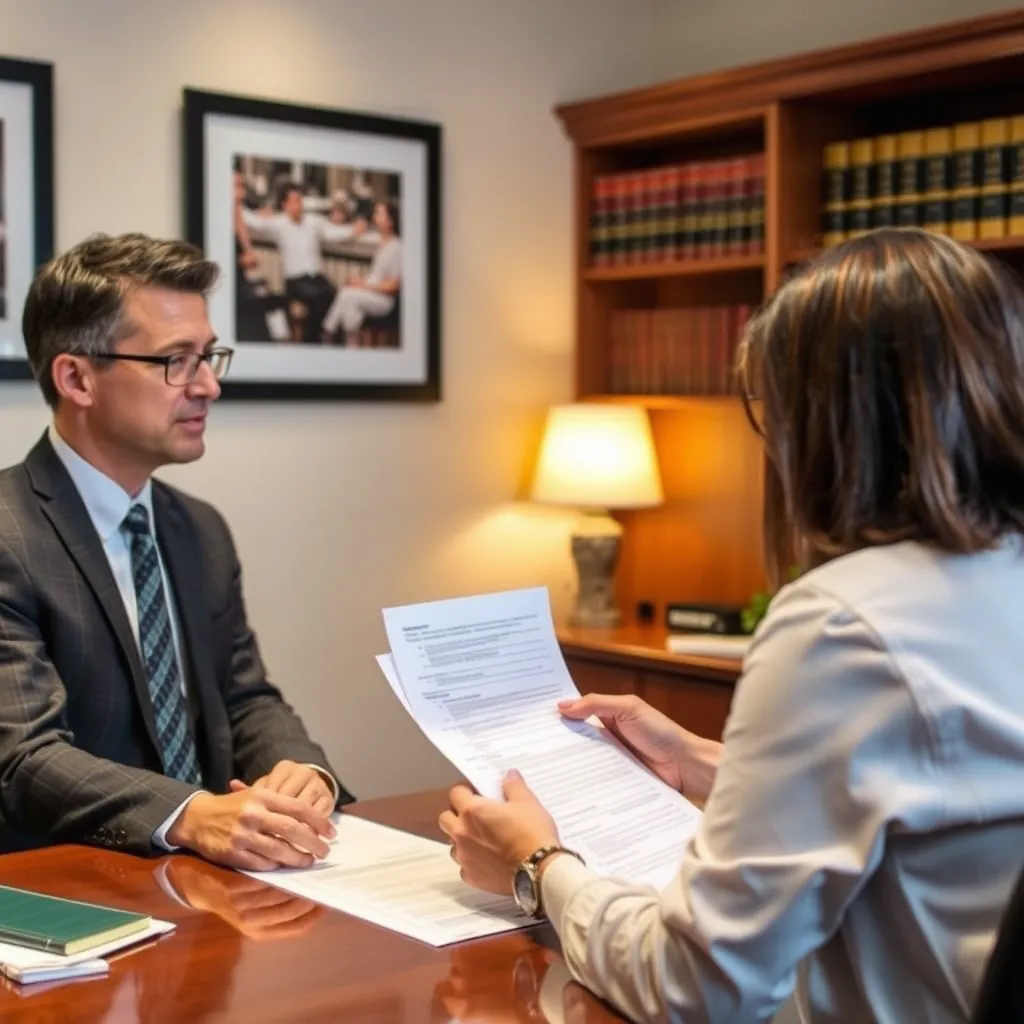
Legal professionals familiar with Arlington courts can help handle the filing process, ensure proper documentation, and represent clients during hearings. Understanding the specific requirements and procedures increases the likelihood of obtaining necessary protection while following all legal protocols correctly.
How to Obtain a Protective Order
The process begins with filing a petition at the Arlington County Courthouse. This document outlines the reasons for seeking protection and provides details about the incidents that have occurred. The petitioner must complete required forms accurately and provide sufficient information for the court to evaluate the request. Filing fees may apply, though waivers are available for those who qualify financially.
Evidence collection is a important component of the process. Documentation should include dates, times, locations, and descriptions of incidents. Police reports, medical records, photographs, text messages, emails, and witness statements can strengthen the case. Organized evidence helps demonstrate the pattern of behavior that justifies the need for legal protection according to Virginia standards.
Court hearings follow the initial filing. For emergency orders, hearings occur quickly, often within hours. Preliminary orders require hearings within fifteen days. Permanent order hearings provide both parties opportunity to present their cases. During hearings, judges evaluate evidence, hear testimony, and determine whether legal standards for protection have been met.
Legal representation can assist with preparing documentation, organizing evidence, and presenting the case effectively in court. Attorneys understand the specific requirements of Arlington courts and can help ensure all procedures are followed correctly to maximize the chances of obtaining necessary protection.
Can I Get a Restraining Order Without an Attorney
Virginia law allows individuals to file for protective orders without legal representation. The court provides forms and basic instructions for completing the process independently. This option may work for straightforward cases where the individual feels comfortable handling court procedures and understands the legal requirements involved.
However, several challenges can arise when proceeding without legal assistance. Court procedures involve specific deadlines, documentation requirements, and legal standards that must be met. Missing details or failing to present evidence effectively can result in delays or denial of protection. The legal system can be difficult to manage without experience in court proceedings.
Legal representation offers several benefits. Attorneys understand the specific requirements of Arlington courts and can help prepare documentation correctly. They can assist with gathering and organizing evidence to present a compelling case. During hearings, attorneys can ask appropriate questions, address legal issues, and respond to arguments from the other party or their counsel.
For involved situations involving multiple incidents, cross-filings, or contested hearings, legal assistance becomes particularly valuable. Attorneys can help develop effective legal arguments, ensure proper service of documents, and address any procedural issues that may arise during the process.
Why Hire Legal Help for Protective Orders
Professional legal assistance provides several advantages in protective order cases. Attorneys understand the specific requirements of Arlington courts and can help handle the legal system effectively. They ensure all documentation is completed correctly and submitted on time, reducing the risk of procedural errors that could delay or jeopardize the case.
Evidence presentation benefits significantly from legal guidance. Attorneys can help identify relevant evidence, organize documentation effectively, and present information in a manner that meets legal standards. They understand what types of evidence carry weight in court and how to present testimony effectively during hearings.
Legal representation becomes particularly valuable in contested cases where the other party disputes the allegations. Attorneys can develop effective legal arguments, respond to counter-claims, and address procedural issues that may arise. They can also help with enforcement matters if violations occur after an order is granted.
Beyond immediate case handling, attorneys can provide guidance on related legal matters that may intersect with protective orders, such as family law issues, criminal charges, or housing concerns. This comprehensive approach helps address the broader context of safety and legal protection needs.
FAQ:
What types of protective orders are available in Virginia?
Virginia offers emergency, preliminary, and permanent protective orders with different durations and requirements for each type.
How long does it take to get a protective order?
Emergency orders can be issued within hours, preliminary orders within days, and permanent orders after a full hearing process.
What evidence do I need for a protective order?
Evidence may include police reports, medical records, photographs, messages, witness statements, and documentation of incidents.
Can I get a protective order against a family member?
Yes, protective orders can be obtained against family members, household members, or individuals with specific relationships.
What happens if someone violates a protective order?
Violations can result in criminal charges, arrest, and additional legal consequences under Virginia law.
How much does it cost to file for a protective order?
Filing fees apply but waivers are available for those who qualify based on financial circumstances.
Can I modify or extend a protective order?
Modifications or extensions may be possible by filing appropriate requests with the court before expiration.
Do I need to appear in court for a protective order?
Yes, court appearances are typically required for hearings on preliminary and permanent protective orders.
What if I need protection immediately?
Emergency protective orders provide immediate temporary protection through magistrates or judges available after hours.
Can protective orders affect child custody cases?
Protective orders may influence custody decisions as courts consider safety factors in family law matters.
How do I serve a protective order to the other party?
Proper service methods must be followed as required by Virginia law and court procedures.
What if I move to another state with a protective order?
Protective orders can often be registered in other states through specific legal procedures for enforcement.
Past results do not predict future outcomes