
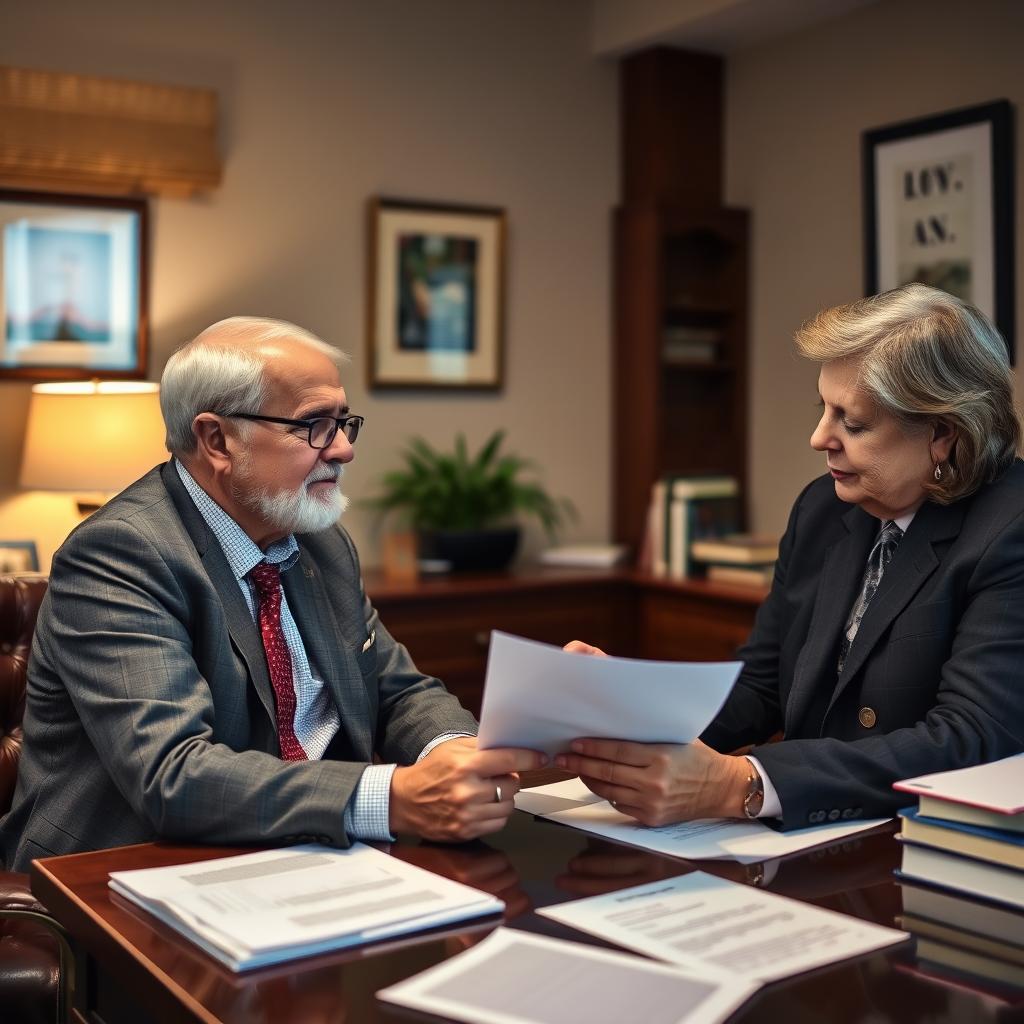
Marital Settlement Agreement Lawyer Shenandoah County
A Marital Settlement Agreement Lawyer Shenandoah County drafts and enforces the binding contract that finalizes your divorce. This document controls property division, spousal support, and debt allocation under Virginia law. Law Offices Of SRIS, P.C.—Advocacy Without Borders. provides precise legal advocacy for these critical negotiations. Our Shenandoah County Location handles complex asset division common in the region. (Confirmed by SRIS, P.C.)
Statutory Definition of a Marital Settlement Agreement in Virginia
A Marital Settlement Agreement (MSA) is a contract governed by Virginia Code § 20-109.1. This statute classifies a valid MSA as binding and enforceable upon the court’s ratification. The maximum penalty for violating its terms is contempt of court, which can include fines or jail time. The agreement itself is not a criminal statute but a civil contract with the force of a court order once incorporated into a final decree. Its terms override default state laws on equitable distribution and support.
Virginia Code § 20-109.1 — Contract Enforcement — Contempt Powers. This code section provides the legal foundation for MSAs in Virginia divorces. It states that if the court finds the agreement not unconscionable, it shall incorporate the agreement into the final decree of divorce. The incorporated agreement is then enforceable as a court order. Violation of the order can lead to a finding of contempt under Virginia Code § 18.2-456. Penalties for contempt are at the judge’s discretion and can include compensatory fines or incarceration for up to 10 days per offense. The code emphasizes the parties’ freedom to contract, but the court retains oversight to prevent fundamentally unfair terms.
Virginia law distinguishes marital from separate property under Code § 20-107.3. An MSA is the primary tool for defining how these assets are divided. Without an MSA, the Shenandoah County Circuit Court will apply equitable distribution principles. This process can be lengthy and unpredictable. A well-drafted MSA provides certainty and finality. It addresses all aspects of the dissolution, including but not limited to real estate, retirement accounts, and business interests. Shenandoah County judges expect these agreements to be thorough and precise.
What specific terms must a Shenandoah County MSA address?
An MSA in Shenandoah County must explicitly address the division of all marital property and debts. This includes real estate, vehicles, bank accounts, pensions, and household goods. The agreement must detail spousal support amounts, duration, and modification terms. It must establish a parenting plan if minor children are involved, covering custody, visitation, and child support. Virginia law requires these terms to be clear and unambiguous to avoid future litigation. Omissions can lead to the court rejecting the agreement or ordering further proceedings.
How does Virginia law treat verbal agreements versus written MSAs?
Virginia law requires marital settlement agreements to be in writing and signed by both parties. Verbal agreements regarding property division or support are generally unenforceable in a Shenandoah County divorce. The Statute of Frauds, embodied in Virginia Code § 11-2, mandates written contracts for matters involving real estate or that cannot be performed within one year. A written MSA provides a clear record and prevents “he said, she said” disputes during court ratification. Relying on verbal promises creates significant legal risk and procedural delay.
Can a Shenandoah County court modify a signed Marital Settlement Agreement?
A Shenandoah County court cannot modify the property division terms of a ratified MSA. Virginia Code § 20-109.1 states that property provisions are final and non-modifiable. The court may modify provisions for spousal support or child custody/support only upon a showing of a material change in circumstances. This legal standard is high and requires substantial evidence. This finality highlights the necessity for skilled legal drafting from a Marital Settlement Agreement Lawyer Shenandoah County at the outset.
The Insider Procedural Edge in Shenandoah County Circuit Court
Shenandoah County divorce and MSA ratification cases are filed at the Shenandoah County Circuit Court located at 112 South Main Street, Woodstock, VA 22664. The court’s civil division handles the filing and ratification of Marital Settlement Agreements. Procedural specifics for Shenandoah County are reviewed during a Consultation by appointment at our Shenandoah County Location. The filing fee for a Complaint for Divorce in Virginia is typically $89, but other costs for service and filing ancillary documents apply. Local rules require specific formatting and multiple copies of the MSA for the judge’s review.
The timeline from filing to a final divorce decree incorporating an MSA varies. An uncontested divorce with a signed agreement can be finalized after the mandatory separation period is met. For a no-fault divorce based on separation, Virginia requires one year of separation if there are minor children. It requires six months of separation if there are no minor children and a signed Property Settlement Agreement. The Shenandoah County Circuit Court docket can affect hearing dates. Efficient preparation of the final decree packet is critical to avoid continuances.
Local practice requires the MSA to be explicitly referenced in the divorce complaint. The original signed agreement must be filed with the court before the final hearing. Judges in this circuit scrutinize agreements for procedural fairness and clarity. They may question parties briefly during the uncontested hearing to confirm understanding and voluntary signing. Having an attorney from SRIS, P.C. present ensures all procedural hurdles are cleared. This prevents the court from refusing to enter the final order.
Penalties for Violation and Defense Strategies for MSAs
The most common penalty for violating a court-ratified MSA is a finding of civil contempt, which can result in coercive fines or jail time until compliance. Once an MSA is incorporated into a divorce decree, its terms are enforceable as a court order. Failure to comply, such as not paying spousal support or refusing to transfer a deed, is not a breach of contract but contempt of court. The offended party must file a Motion for Rule to Show Cause in the Shenandoah County Circuit Court. The court will schedule a hearing where the alleged violator must explain the non-compliance.
| Offense | Penalty | Notes |
|---|---|---|
| Failure to Pay Spousal Support | Civil Contempt; Wage Garnishment; Liens; Jail up to 10 days. | Virginia Code § 20-109.1 enforcement. Arrearages accrue interest. |
| Failure to Transfer Property | Civil Contempt; Fines; Court may sign deed on behalf of refusing party. | Pursuant to Virginia Code § 8.01-465. |
| Violation of Child Custody Terms | Contempt; Modification of Custody Order; Possible Criminal Charges. | Governed by Virginia Code § 20-124 et seq. |
| Failure to Pay Debts as Assigned | Contempt; Judgment for Damages; Credit Reporting. | Creditor may still sue original debtor despite MSA terms. |
[Insider Insight] Shenandoah County prosecutors and judges treat contempt actions stemming from MSA violations seriously. The Commonwealth’s Attorney may become involved if failure to pay support becomes chronic. Local judges favor clear, immediate remedies like wage garnishment for support arrears. They are less tolerant of excuses related to property transfer delays. Demonstrating a good-faith effort to comply is the primary defense. An attorney can negotiate a purge agreement to avoid jail time.
A strong defense against a contempt allegation requires proof of inability to comply, not simply unwillingness. Financial inability to pay support must be documented with recent tax returns and bank statements. For property transfers, logistical delays must be communicated in writing to the other party beforehand. If the MSA terms are ambiguous, a motion to clarify the decree may be necessary before a contempt finding is appropriate. Strategic legal counsel from a Virginia family law attorney is essential in these hearings.
What are the financial consequences of an MSA violation in Shenandoah County?
Financial consequences include court-ordered payment of arrears with statutory interest, the opposing party’s attorney’s fees, and court costs. The judge can impose a fine payable to the court as a coercive measure. For property matters, the court can appoint a commissioner to execute a deed, with the cost charged to the violating party. These costs accumulate quickly and create significant financial strain. Proactive compliance is always less expensive than litigation.
How does an MSA impact your credit and future financial obligations?
An MSA does not directly impact your credit score, but violations can. If a debt assigned to you in the MSA goes unpaid, the creditor can report the delinquency to credit bureaus. A judgment entered for contempt or for unpaid support can become a public record. This record can affect loan applications and employment background checks. The agreement itself may require closing joint accounts, which is a key step in rebuilding separate credit. A Shenandoah County divorce settlement terms lawyer can advise on these financial protections.
What is the difference between enforcing an MSA and modifying it?
Enforcement seeks to compel performance of the existing agreement through contempt powers. Modification asks the court to change the terms of the agreement, which is only possible for support and custody under Virginia law. Property division terms are absolutely final. The procedural path for each is distinct: enforcement uses a Rule to Show Cause, while modification uses a Petition to Modify. Knowing which action to file is a critical strategic decision made with your experienced legal team.
Why Hire SRIS, P.C. for Your Shenandoah County Marital Settlement Agreement
SRIS, P.C. assigns former prosecutor and seasoned litigator Bryan Block to complex family law agreements, providing a strategic edge in negotiation and enforcement. Bryan Block’s background in criminal prosecution informs his approach to constructing airtight, enforceable contract terms. He understands how Shenandoah County judges interpret language and what they require for ratification. His litigation experience is crucial if an agreement breaks down and enforcement becomes necessary.
Primary Attorney: Bryan Block. Credentials: Former Assistant Commonwealth’s Attorney; extensive circuit court trial experience. Locality Focus: Shenandoah County and surrounding jurisdictions. Practice Emphasis: Drafting and litigating complex Marital Settlement Agreements involving business valuations, farm property, and retirement assets common in the Shenandoah Valley.
Our firm’s approach is direct and focused on your objectives. We draft clear, thorough agreements that anticipate future disputes. We ensure your MSA addresses Virginia-specific issues like military pensions, farm equipment, and jointly-held livestock. SRIS, P.C. has secured favorable outcomes for clients in Shenandoah County by prioritizing precise language over vague promises. We prepare the entire final decree package for efficient court processing. This thoroughness prevents last-minute delays in your divorce finalization.
The value of an attorney is measured by the problems they prevent. A poorly drafted MSA can lead to years of post-divorce litigation and financial loss. Our team at SRIS, P.C. invests time in the front-end drafting to secure your back-end peace. We explain every term so you understand your rights and obligations fully. For matters requiring related criminal defense representation, our integrated practice provides smooth support.
Localized Shenandoah County Marital Settlement Agreement FAQs
How long does it take to get a divorce with an MSA in Shenandoah County?
An uncontested divorce with a signed MSA can be finalized as soon as the mandatory separation period ends and the court hears the case. The Shenandoah County Circuit Court docket typically allows for a hearing within a few weeks of filing the complete final decree packet.
What happens to the family farm in a Shenandoah County marital settlement?
The farm must be classified as marital or separate property. An MSA must detail its valuation and division, whether by sale, buyout, or continued co-ownership. Specific terms for equipment, livestock, and crop shares are essential for a Shenandoah County agreement.
Can I change my mind after signing a Marital Settlement Agreement?
You cannot unilaterally change your mind after signing. Before court ratification, both parties must agree to any modification. After ratification by the court, modification is only possible for support or custody terms under a strict legal standard.
Do both parties need a lawyer for a Marital Settlement Agreement in Virginia?
Virginia law does not require both parties to have a lawyer. However, independent legal advice is strongly recommended to ensure the agreement is fair and enforceable. It also helps prevent future claims of duress or misunderstanding.
How is spousal support calculated in a Shenandoah County MSA?
Spousal support is not automatically calculated by formula in Virginia. An MSA allows parties to negotiate an amount and duration based on factors like need, ability to pay, and the marriage’s standard of living. The court will review for conscionability.
Proximity, Call to Action, and Legal Disclaimer
Our Shenandoah County Location serves clients throughout the valley. We are accessible from major routes and communities like Strasburg, New Market, and Mount Jackson. Procedural specifics for Shenandoah County are reviewed during a Consultation by appointment at our Shenandoah County Location. For immediate guidance on your marital settlement agreement, contact our team. Consultation by appointment. Call 540-347-4874. 24/7.
Law Offices Of SRIS, P.C. —Advocacy Without Borders.
Serving Shenandoah County, Virginia.
Past results do not predict future outcomes.