
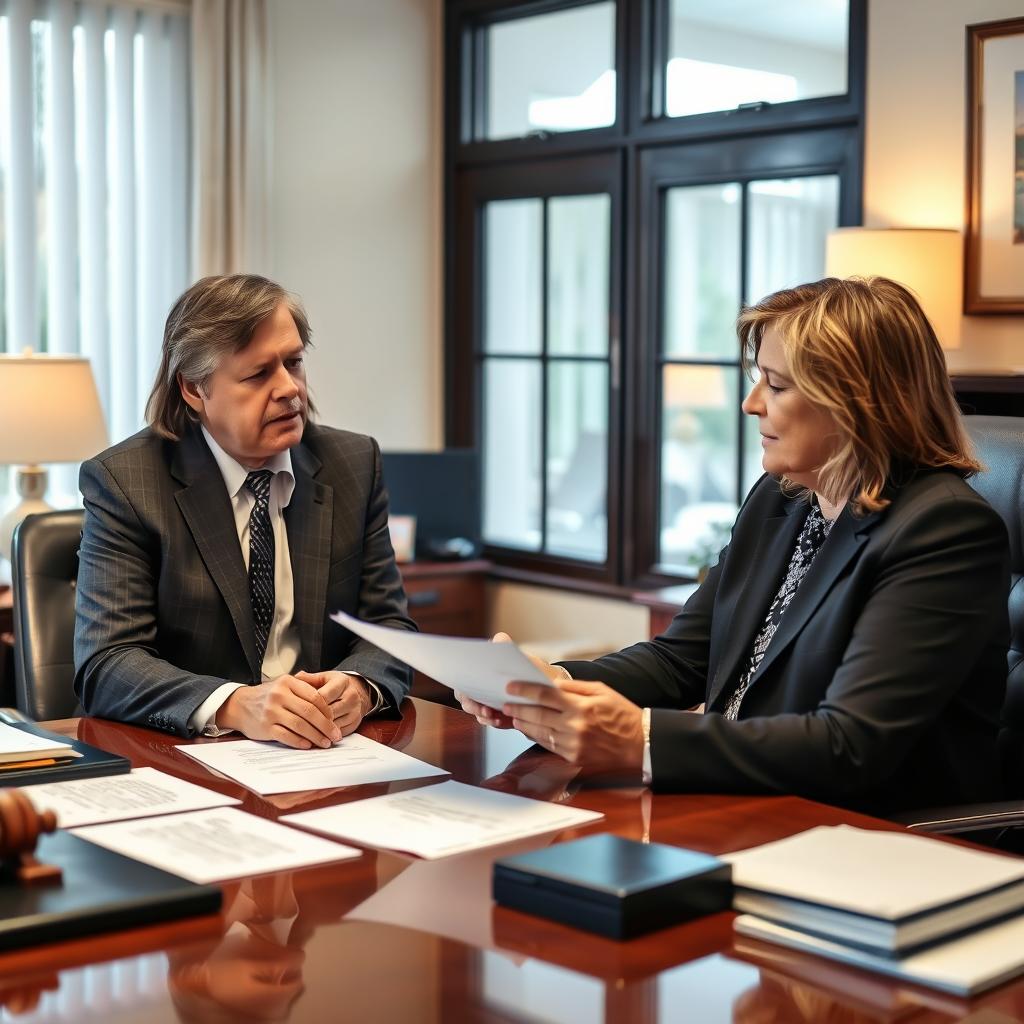
Adultery Divorce Lawyer Caroline County
An Adultery Divorce Lawyer Caroline County handles cases where infidelity is the legal ground for ending a marriage. Virginia law treats adultery as a fault-based ground for divorce with specific proof requirements. The Law Offices Of SRIS, P.C. —Advocacy Without Borders. represents clients in the Caroline County Circuit Court. You need an attorney who understands the local procedures and evidentiary standards. (Confirmed by SRIS, P.C.)
Statutory Definition of Adultery in Virginia Divorce
Virginia Code § 20-91(A)(1) defines adultery as a Class 4 misdemeanor and a fault ground for divorce. This statute requires proof that a spouse voluntarily engaged in sexual intercourse with someone other than their husband or wife. The burden of proof rests entirely on the accusing party. You must provide clear and convincing evidence to the court. This is a higher standard than a simple preponderance of the evidence. An Adultery Divorce Lawyer Caroline County knows how to meet this burden. The classification as a misdemeanor highlights the state’s view of the act. It impacts both the divorce proceedings and potential collateral issues. These issues include spousal support and property division.
Va. Code § 20-91(A)(1) — Fault Ground for Divorce — No criminal penalty if used solely for divorce. The statute permits a divorce from bed and board or a divorce from the bond of matrimony on grounds of adultery. It must be proven to the court’s satisfaction. The act must have occurred after the marriage ceremony. Proof can include circumstantial evidence, such as hotel receipts or communications. Direct witness testimony is rare but powerful. The court will examine the evidence for credibility and consistency. A finding of adultery can bar the guilty spouse from receiving spousal support. It can also influence the equitable distribution of marital property. Consulting with an attorney is critical for handling this statute.
What constitutes proof of adultery in Caroline County?
Proof in Caroline County typically involves circumstantial evidence and witness testimony. Direct evidence of the sexual act is rarely available. Courts accept evidence like text messages, emails, or social media posts. Hotel receipts, credit card statements, and photographs can also be submitted. The testimony of a private investigator may be admitted. The evidence must create a chain of circumstances leading to a conclusion. It must show both opportunity and inclination. The Caroline County Circuit Court judges this evidence stringently. An experienced infidelity divorce grounds lawyer Caroline County gathers this evidence methodically.
How does adultery affect spousal support in Virginia?
Adultery can completely bar a spouse from receiving spousal support. Virginia Code § 20-107.1 allows the court to deny support to a spouse found guilty of adultery. The adultery must be proven and must have occurred within the statutory timeframe. The court has discretion in applying this bar. It considers the circumstances and conduct of both parties. If the adulterous act caused the marital breakdown, the bar is more likely. The supporting spouse’s adultery may also be considered. This can reduce or eliminate their support obligation. A cheating spouse divorce lawyer Caroline County can argue these factors effectively.
Can you get a divorce in Caroline County without proving adultery?
Yes, you can pursue a no-fault divorce based on separation in Caroline County. Virginia law allows divorce after a one-year separation if there are no minor children. If there are minor children, the separation period is typically one year. A no-fault divorce does not require proving marital misconduct. It often involves less conflict and lower legal costs. However, fault grounds like adultery can provide strategic advantages. These advantages relate to support and property matters. Choosing the right ground is a key legal decision. An Adultery Divorce Lawyer Caroline County will advise on the best approach for your case. Learn more about Virginia family law services.
The Insider Procedural Edge in Caroline County Circuit Court
Your case will be filed at the Caroline County Circuit Court located at 112 Courthouse Lane, Bowling Green, VA 22427. This court handles all divorce and family law matters for the county. The clerk’s Location is specific about filing requirements and local rules. Procedural specifics for Caroline County are reviewed during a Consultation by appointment at our Caroline County Location. The timeline from filing to final hearing can vary. It depends on the court’s docket and case complexity. Uncontested adultery divorces may resolve faster than contested ones. Filing fees are set by the state and are subject to change. You must serve the divorce complaint properly on your spouse. Failure to follow procedure can cause significant delays.
What is the typical timeline for an adultery divorce case?
The timeline ranges from several months to over a year in Caroline County. An uncontested case where adultery is admitted may conclude in a few months. A fully contested case requires discovery, motions, and a trial. This process can extend beyond twelve months. The court’s schedule is a major factor. The Caroline County Circuit Court has specific terms for hearing family law cases. Your attorney must file all pleadings correctly to avoid continuances. Gathering evidence for an adultery claim also takes time. A clear strategy from your lawyer helps manage the timeline.
What are the court costs and filing fees?
Filing fees in Caroline County Circuit Court are mandated by Virginia law. The cost to file a complaint for divorce is a set statutory amount. There are additional fees for serving the summons and other documents. If you request a court reporter for a hearing, that incurs extra cost. Motion filing fees may also apply throughout the case. The total cost varies based on the litigation’s intensity. An uncontested divorce generally has lower court costs. A contested trial significantly increases these expenses. Your attorney will provide a detailed estimate of anticipated fees.
Penalties, Defenses, and Local Prosecutor Trends
The most common penalty is the impact on spousal support and property division. While adultery itself is a Class 4 misdemeanor, it is rarely prosecuted criminally in divorce cases. The real penalties are civil and financial within the divorce proceeding. A finding of adultery can drastically alter the outcome. The table below outlines the primary consequences. Learn more about criminal defense representation.
| Offense / Finding | Penalty / Consequence | Notes |
|---|---|---|
| Adultery as Divorce Ground | Bar to Spousal Support | Court may deny support to adulterous spouse per VA Code § 20-107.1. |
| Impact on Property Division | Favorable Distribution for Innocent Spouse | Court can consider fault in equitable distribution under VA Code § 20-107.3. |
| Criminal Charge (Rare) | Class 4 Misdemeanor | Up to $250 fine. Prosecution is uncommon unless related to another charge. |
| Child Custody Influence | Best Interest of Child Analysis | Adultery alone is not determinative but can reflect on moral character. |
[Insider Insight] Caroline County judges and prosecutors view adultery claims with scrutiny. They expect solid, corroborated evidence, not just suspicion. The local legal community is tight-knit, and credibility is paramount. An accusation without proof can backfire, painting the accuser as contentious. Defenses often focus on lack of conclusive evidence or recrimination. Recrimination argues the accusing spouse also committed adultery. Condonation is another defense, where the spouse forgave the act and continued cohabitation. A skilled cheating spouse divorce lawyer Caroline County uses these defenses strategically.
What are the defenses against an adultery allegation?
Common defenses include recrimination, condonation, and lack of proof. Recrimination asserts the accusing spouse also committed adultery. This can make both parties “at fault” in the court’s eyes. Condonation occurs when the innocent spouse forgives the act and resumes marital relations. This forgiveness can waive the right to use adultery as a ground. Connivance involves setting up or encouraging the adulterous act. The most frequent defense is simply challenging the sufficiency of the evidence. The accuser must meet the clear and convincing standard. An attorney attacks the evidence’s credibility and chain of custody.
Why Hire SRIS, P.C. for Your Caroline County Adultery Divorce
Our lead attorney for family law matters has over a decade of focused Virginia courtroom experience. This attorney has handled numerous contested divorce cases involving fault grounds. They understand the precise evidence needed for a Caroline County judge. SRIS, P.C. provides direct, strategic advocacy without unnecessary conflict. We prepare every case as if it will go to trial. This preparation often leads to favorable settlements. Our approach is blunt and focused on your objectives. We explain the law and your options clearly. You will know the strengths and weaknesses of your case.
Designated Family Law Attorney
Virginia Bar Member
Experience: 10+ years in Virginia family courts
Practice Focus: Contested divorces, fault grounds, child custody
Caroline County Case Results: Multiple favorable settlements and trial outcomes involving adultery allegations. Learn more about personal injury claims.
SRIS, P.C. has a dedicated Caroline County Location to serve you. Our team knows the local clerks, judges, and procedural norms. We have achieved positive results for clients facing complex divorce issues. We build a factual record that supports your position, whether you are the accused or the accuser. Our goal is to protect your financial future and parental rights. We offer a Consultation by appointment to review the specifics of your situation. Call our team 24/7 to schedule that meeting.
Localized Caroline County Adultery Divorce FAQs
What is the difference between divorce from bed and board and absolute divorce?
A divorce from bed and board is a legal separation, not a termination of marriage. An absolute divorce fully dissolves the marriage, allowing remarriage. Adultery can be grounds for either in Virginia.
Can text messages be used as evidence of adultery in court?
Yes, text messages can be submitted as circumstantial evidence of adultery. They must be authenticated to show they came from the spouse’s device. A judge will consider their content and context.
How does adultery affect child custody decisions in Caroline County?
Adultery is one factor in the child’s best interest analysis. It is not decisive unless it directly harms the child. The court focuses on parenting ability, stability, and the child’s needs. Learn more about our experienced legal team.
Do I need a private investigator to prove adultery?
Not always, but a PI can gather compelling evidence like photos or witness statements. This evidence often meets the clear and convincing standard required by the court.
What if my spouse denies the adultery allegation?
Your case becomes contested, requiring you to prove the allegation at a trial. Your attorney will present all collected evidence to the judge for a ruling.
Proximity, Contact, and Critical Disclaimer
Our Caroline County Location is strategically positioned to serve clients throughout the region. We are accessible from Bowling Green, Ladysmith, and surrounding communities. For a Consultation by appointment to discuss your adultery divorce case, call 24/7. Our Virginia family law attorneys are ready to provide the direct advocacy you need. SRIS, P.C. operates on an appointment basis to ensure dedicated attention to each client.
Law Offices Of SRIS, P.C.—Advocacy Without Borders.
Phone: [PHONE NUMBER]
Consultation by appointment. Call 24/7.
Past results do not predict future outcomes.