
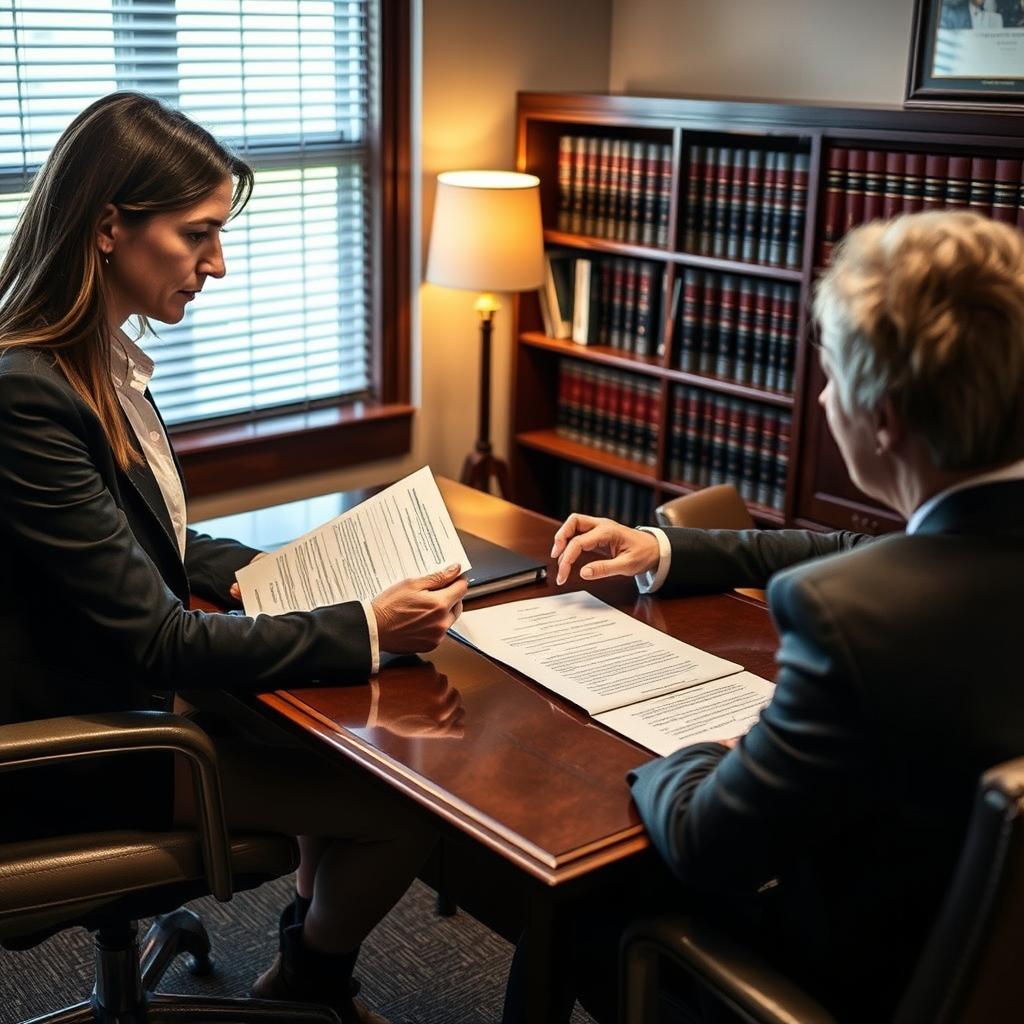
Adultery Divorce Lawyer Fairfax County
An Adultery Divorce Lawyer Fairfax County handles cases where infidelity is the legal ground for ending a marriage. Virginia law treats adultery as a fault-based divorce ground with specific proof requirements. Law Offices Of SRIS, P.C.—Advocacy Without Borders. provides direct counsel for these sensitive matters. Our Fairfax County Location focuses on protecting your rights and achieving a fair resolution. (Confirmed by SRIS, P.C.)
Statutory Definition of Adultery in Virginia Divorce
Virginia Code § 20-91(A)(1) defines adultery as a Class 4 misdemeanor and a fault ground for divorce with no specific statutory fine or jail time for the civil act, but it critically impacts all divorce outcomes. The statute requires clear and convincing evidence that one spouse voluntarily engaged in sexual intercourse with someone other than their spouse. This legal definition is narrow and fact-specific. Proving it requires more than suspicion or circumstantial evidence in most Fairfax County cases. The classification as a misdemeanor highlights the state’s view of the act’s seriousness. While the criminal penalty is minor, the civil consequences in a divorce are severe. It affects property division, spousal support, and child custody determinations. Understanding this code is the first step for any Adultery Divorce Lawyer Fairfax County.
What constitutes proof of adultery in a Virginia court?
Proof requires clear and convincing evidence of sexual intercourse. This standard is higher than a mere preponderance of the evidence. Direct evidence like photographs or admissions is rare. Courts often rely on circumstantial evidence combined with opportunity and inclination. Testimony from a co-respondent or private investigator can be key. Fairfax County judges scrutinize this evidence closely for credibility.
How does adultery differ from other fault grounds like cruelty or desertion?
Adultery is a single, provable act of sexual infidelity. Cruelty involves a pattern of conduct that endangers life or health. Desertion is the voluntary abandonment for one year or more. Each fault ground has distinct elements and proof requirements. Adultery uniquely can bar the guilty spouse from receiving spousal support. It also heavily influences equitable distribution of marital property.
Can a divorce be granted if both spouses committed adultery?
Yes, a divorce can still be granted under Virginia’s recrimination doctrine. The court may find both parties at fault and grant a divorce on that basis. This situation often leads to a no-fault divorce filing instead. It complicates matters of support and property division significantly. An experienced Virginia family law attorney is essential here.
The Insider Procedural Edge in Fairfax County
The Fairfax County Circuit Court handles all divorce filings at 4110 Chain Bridge Road, Fairfax, VA 22030. This court requires strict adherence to local rules and filing procedures. The filing fee for a Complaint for Divorce is currently $89.00. You must file the original complaint and serve the other spouse properly. Fairfax County has specific mandatory filing coversheets and financial disclosure forms. The court’s family law division operates with a high volume of cases. Expect procedural hearings and potential referrals to mediation. Timeline from filing to final decree varies based on case complexity. An uncontested adultery divorce may resolve faster than a contested one. Contested cases involving adultery require discovery and evidentiary hearings. Local rules mandate certain deadlines for responses and motions.
What is the typical timeline for an adultery divorce case in Fairfax?
An uncontested case may conclude within three to six months if all requirements are met. A contested adultery divorce often takes nine months to over a year. The timeline depends on court docket schedules and the level of dispute. Discovery disputes and evidentiary challenges can cause significant delays. Having an Adultery Divorce Lawyer Fairfax County manage the process is critical for efficiency.
The legal process in Fairfax County follows specific procedural requirements that affect case timelines and outcomes. Courts in this jurisdiction apply local rules that may differ from neighboring areas. An attorney familiar with Fairfax County court procedures can identify procedural advantages relevant to your situation.
What are the specific filing requirements at the Fairfax County Circuit Court?
You must file a Complaint for Divorce, a Civil Cover Sheet, and a Confidential Litigant Information Sheet. Financial statements are required if support is requested. The filing must include the correct statutory grounds citation. Proof of residency in Virginia for six months and Fairfax County for one is mandatory. Service of process must be accomplished according to Virginia rules.
Penalties & Defense Strategies in an Adultery Divorce
The most common penalty is the bar to spousal support for the adulterous spouse. Virginia Code § 20-107.1 explicitly prohibits an award of spousal support to a spouse found guilty of adultery. This financial consequence is often the most significant in the case. It applies regardless of the other spouse’s financial need or the length of the marriage. The court has no discretion to award support to the adulterer.
Virginia law establishes specific statutory frameworks that govern these matters. Each case involves unique factual circumstances that require careful legal analysis. SRIS, P.C. attorneys evaluate every relevant factor when developing case strategy for clients in Fairfax County.
| Offense / Consequence | Penalty / Effect | Notes |
|---|---|---|
| Bar to Spousal Support | Adulterous spouse is ineligible to receive support. | Mandatory under VA Code § 20-107.1; no judicial discretion. |
| Impact on Property Division | Court may consider adultery as a factor in equitable distribution. | Can lead to a greater share of marital assets for the innocent spouse. |
| Child Custody & Visitation | Adultery may be considered if it impacts the child’s best interests. | Focus is on moral fitness and the child’s welfare, not punishment. |
| Legal Fees | Court may order the adulterous spouse to pay a portion of the other’s attorney fees. | Considered a sanction for litigation misconduct or causing the divorce. |
[Insider Insight] Fairfax County prosecutors in the Commonwealth’s Attorney’s Location rarely pursue criminal charges for standalone adultery. Their focus in family cases is on evidence collection that may impact related issues like marital waste of assets. They often work in tandem with civil divorce attorneys when financial misconduct overlaps with the infidelity. The local judicial temperament views the civil divorce penalties as the primary consequence.
How does adultery affect the division of property and debt?
Adultery can be a factor in equitable distribution under Virginia Code § 20-107.3(E). The court may consider the negative monetary impact of the affair. This includes spending marital funds on gifts, travel, or living expenses for a paramour. The goal is to compensate the innocent spouse for this dissipation of assets. It does not automatically mean a 50/50 split is off the table.
Can adultery affect child custody decisions in Fairfax County?
Yes, but only if the conduct is proven to affect the child’s best interests. The court’s sole focus under Virginia law is the child’s welfare. An affair that introduces instability or harms the child’s environment may be considered. Mere moral disapproval of the parent’s conduct is typically insufficient. Custody evaluations often assess the practical impact of the parent’s behavior.
Court procedures in Fairfax County require proper documentation and adherence to filing deadlines. Missing a deadline or submitting incomplete filings can negatively impact case outcomes. Working with an attorney who handles cases in Fairfax County courts regularly ensures that procedural requirements are met correctly and on time.
Why Hire SRIS, P.C. for Your Fairfax County Adultery Divorce
Our lead attorney for complex family litigation in Fairfax is a seasoned litigator with over 15 years in Virginia courts. This experience is crucial for handling the evidentiary challenges of an adultery case. SRIS, P.C. has achieved favorable results in numerous Fairfax County family law matters. We understand the local judges, commissioners, and procedural nuances of the Fairfax County Circuit Court.
Primary Attorney: Our Fairfax family law lead has extensive trial experience in fault-based divorces. This attorney has successfully argued motions to exclude evidence and defended against adultery claims. Their practice is dedicated to achieving strategic outcomes for clients in sensitive family disputes.
Our firm differentiator is a tactical approach to evidence and negotiation. We assess whether alleging adultery is your best strategic move or if a no-fault approach is wiser. We guide clients through the emotional difficulty of these cases with direct legal advice. Our experienced legal team works to protect your financial future and parental rights. We prepare every case as if it will go to trial, which strengthens your settlement position. For related legal challenges, our criminal defense representation team can address any overlapping issues.
The timeline for resolving legal matters in Fairfax County depends on multiple factors including case type, court scheduling, and the positions of all parties involved. SRIS, P.C. keeps clients informed throughout the process and works to move cases forward as efficiently as possible.
Localized Fairfax County Adultery Divorce FAQs
Do I need to name the person my spouse cheated with in the divorce papers?
Virginia law allows you to name the co-respondent, but it is not always required. Naming them makes them a party to the lawsuit. This can complicate and prolong the proceedings. Your lawyer will advise if it is strategically necessary for your case goals.
Can text messages or emails be used as evidence of adultery in court?
Yes, electronic communications can be powerful circumstantial evidence. They can show inclination and opportunity for the affair. The messages must be authenticated to be admitted. Fairfax County courts will evaluate their relevance and probative value carefully.
How does adultery impact a prenuptial agreement in a Virginia divorce?
A prenuptial agreement may have specific clauses addressing infidelity. It could dictate financial penalties or alter property division upon proof of adultery. The agreement’s terms control if they are valid and enforceable under Virginia law.
Financial implications are often a significant concern in legal proceedings. Virginia courts consider relevant financial factors when making determinations. Proper preparation of financial documentation strengthens your position and supports favorable outcomes in Fairfax County courts.
What if my spouse denies the adultery despite strong evidence?
The case becomes contested, and you must prove the allegation at an evidentiary hearing. Your lawyer will present witnesses, documents, and other evidence. The judge will weigh the credibility of all testimony before making a finding.
Is separation required before filing for divorce on grounds of adultery?
No. Unlike a no-fault divorce, you do not need a separation period. You can file immediately upon discovering the adultery. The act itself is the triggering event for the divorce ground.
Proximity, Consultation, and Critical Disclaimer
Our Fairfax County Location is strategically positioned to serve clients throughout the region. We are accessible from major highways and local landmarks. Consultation by appointment. Call 703-278-0405. 24/7.
Law Offices Of SRIS, P.C.
—Advocacy Without Borders.
Fairfax County Location
Procedural specifics for Fairfax County are reviewed during a Consultation by appointment at our Fairfax County Location.
Past results do not predict future outcomes.