
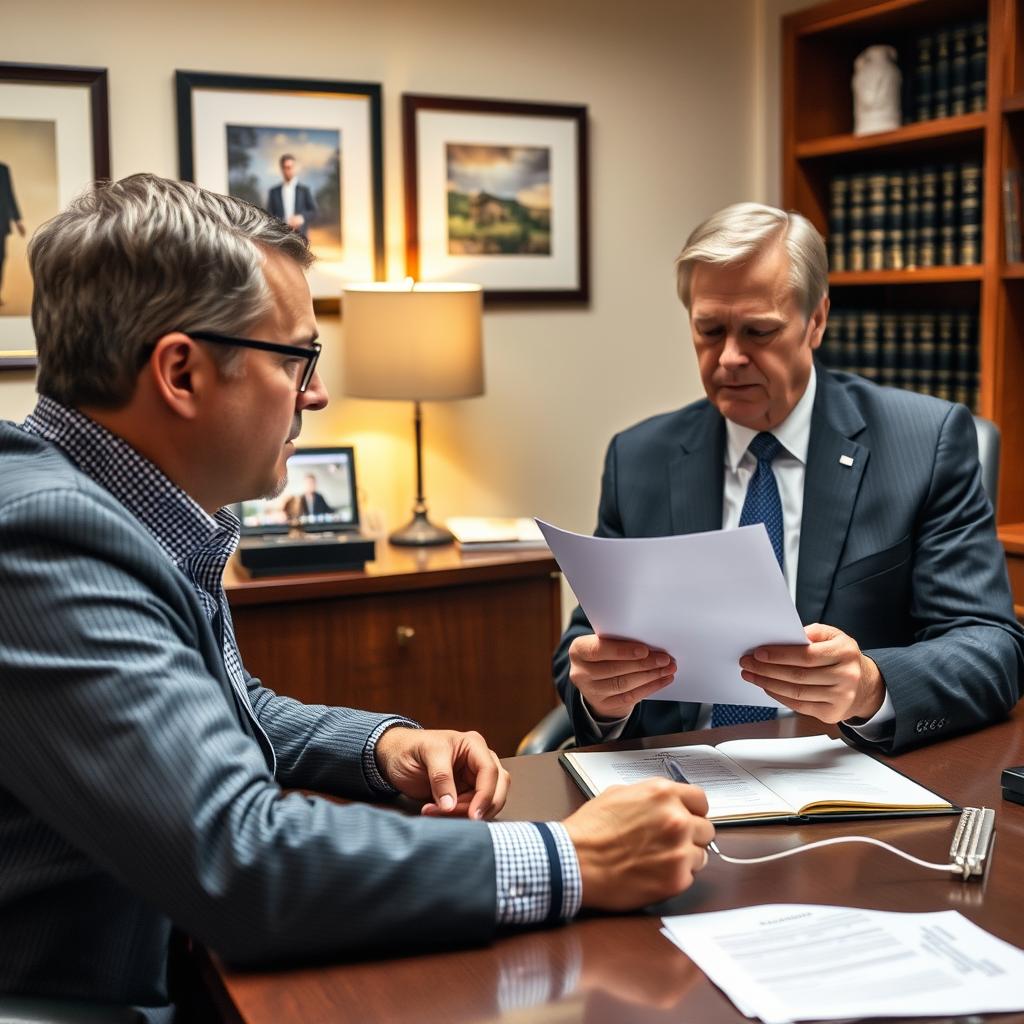
Alimony Lawyer Dinwiddie County, VA
When a marriage ends in Dinwiddie County, Virginia, the question of spousal support—often called alimony—can be one of the most consequential financial issues to resolve. Whether you are seeking support or may be ordered to pay it, understanding how Virginia’s courts approach alimony is essential. Mr. Sris, Owner and Founder of Law Offices Of SRIS, P.C., and the firm’s Of Counsel attorneys represent clients throughout Dinwiddie County in alimony matters, from initial temporary support requests to post-divorce modifications. Our Richmond location serves communities including Dinwiddie and McKenney, and we regularly appear before the Dinwiddie County Circuit Court. To discuss your situation, reach Mr. Sris and the firm’s Of Counsel attorneys at (888) 437-7747.
Dinwiddie County General District Court is currently presided over by Hon. Thomas Stark IV. Court hours: Mon-Fri 8:30AM-4:30PM. Counsel appearing on family law matters should plan filings accordingly.
What Alimony Means in Dinwiddie County
Alimony, termed spousal support under Virginia law, is a court-ordered payment from one spouse to the other during or after a divorce. Unlike some states, Virginia is an equitable distribution jurisdiction, meaning marital property is divided fairly but not necessarily equally, and the division of assets interacts with a spousal support determination. In Dinwiddie County, the Circuit Court located at the Dinwiddie Courthouse has exclusive jurisdiction over divorce and any alimony award awarded as part of a divorce proceeding, while the Juvenile and Domestic Relations District Court may handle standalone support and protective orders before a divorce is finalized.
The court decides whether to award alimony—and how much—by weighing 13 statutory factors under Va. Code § 20-107.1. These factors include the duration of the marriage, each party’s age and physical condition, the earning capacity and financial resources of each spouse, the standard of living established during the marriage, contributions to the family, and the grounds for divorce. Dinwiddie County is part of Virginia’s Eleventh Judicial District, and cases here follow the same statutory framework applied across the Commonwealth. The firm’s Richmond location at 7400 Beaufont Springs Drive, Suite 300, Room 395, Richmond, VA 23225 enables us to serve Dinwiddie County clients efficiently via the I-85 corridor, offering by-appointment consultations for those in Dinwiddie and McKenney.
How Mr. Sris and the Firm’s Of Counsel Attorneys Handle Alimony Cases
Alimony matters often arise in emotionally charged circumstances. Mr. Sris and the firm’s Of Counsel attorneys bring extensive experience to these cases, working to present a clear picture of the financial realities and the statutory factors that guide a court’s decision. Whether the case involves temporary support while a divorce is pending, rehabilitative alimony for a spouse returning to the workforce, or a request for permanent support after a long marriage, our approach focuses on thorough preparation and clear advocacy before the Dinwiddie County Circuit Court.
For a spouse concerned about receiving enough support, we gather and present evidence of the other party’s income, the marital lifestyle, and the need for financial assistance. For a paying spouse, we develop a strategy to address overstated needs and to seek a fair application of the factors. Many alimony disputes are resolved through negotiation or mediation, but when litigation is necessary, the firm’s Of Counsel attorneys are experienced in Virginia courtrooms. After an initial award, circumstances may change, and we also guide clients through the modification process when a material change in circumstances—such as job loss or remarriage—occurs.
About Mr. Sris and the Firm’s Of Counsel Attorneys
Mr. Sris, Owner and Founder of Law Offices Of SRIS, P.C., has practiced law since 1997 and is admitted in Virginia, Maryland, the District of Columbia, New Jersey, and New York. A former prosecutor, he brings a thorough understanding of trial advocacy to family law matters. Mr. Sris testified before the Virginia House Courts of Justice Committee in support of 2019 HB 635 (chief patron Del. David Bulova). His multi-state perspective and years of courtroom experience inform the firm’s alimony practice in Dinwiddie County.
The firm’s Of Counsel attorneys add focused experience in Virginia family law. Together, Mr. Sris and the firm’s Of Counsel attorneys work with clients to address spousal support issues at every stage—from initial consultation through final resolution. Each attorney is committed to presenting each client’s circumstances effectively and to pursuing favorable outcomes under Virginia law.
Frequently Asked Questions
What factors does a Virginia court consider when awarding alimony?
Virginia courts weigh 13 specific factors under Va. Code § 20-107.1 when deciding whether to award spousal support and in what amount. These factors include the length of the marriage, each spouse’s age and health, their respective earning capacities and financial resources, the standard of living enjoyed during the marriage, contributions to the family (both monetary and non-monetary), the grounds for divorce, and any other circumstance the court deems relevant. The court may also consider fault if it led to the dissolution of the marriage. Because no single factor controls the outcome, a thorough presentation of your financial picture is essential. For guidance tailored to your situation, contact Law Offices Of SRIS, P.C. at (888) 437-7747.
Can I receive alimony while the divorce is still pending?
Yes, a Virginia court may award temporary spousal support—called pendente lite support—while a divorce case is ongoing. Under Va. Code § 20-103, the Dinwiddie County Circuit Court can order one spouse to pay maintenance and support to the other spouse during the litigation. This temporary support is designed to maintain the financial status quo and ensure both parties can meet their living expenses until the final divorce decree is entered. The same 13 statutory factors guide the court’s decision, but the proceeding is typically more expedited. To learn whether you may qualify, reach the firm’s Of Counsel attorneys at (888) 437-7747.
How long can alimony last in Virginia?
The duration of alimony depends on the purpose of the award and the specific facts of the marriage. Virginia law recognizes several types of spousal support: temporary support, rehabilitative support for a defined period (often to allow a spouse to obtain education or training), and permanent support in limited cases—typically after a long marriage or where a spouse cannot become self-supporting due to age, health, or other circumstances. The court may also reserve the right to determine future support in some situations. Modification or termination can occur if the supported spouse remarries or cohabits in a marriage-like relationship. To discuss how the law applies to your case, call (888) 437-7747 for a consultation.
Can alimony be modified after the divorce?
Yes, spousal support orders in Virginia can be modified if there has been a material change in circumstances since the last order. Common reasons for a modification include a significant change in income, job loss, disability, or the recipient’s remarriage. The party seeking the modification must file a motion with the Dinwiddie County Circuit Court and present evidence of the changed condition. Some divorce agreements may limit or waive the right to seek modification, so the terms of the original order or property settlement agreement are critical. Whether you are seeking to increase, decrease, or terminate alimony, experienced representation can help present the relevant facts. Consult Mr. Sris and the firm’s Of Counsel attorneys at (888) 437-7747.
What happens if my ex-spouse stops paying court-ordered alimony?
If a former spouse fails to comply with a spousal support order, you can seek enforcement through the court. The Dinwiddie County Circuit Court has authority to enforce its own orders. Remedies may include issuing a show-cause order to hold the non-paying spouse in contempt, garnishing wages, placing a lien on property, or entering a judgment for the arrears. In some cases, the court may also require the delinquent party to pay attorney fees and interest. Prompt action is important; allowing arrears to accumulate without enforcement can complicate collection. For help enforcing an existing order, contact Law Offices Of SRIS, P.C. at (888) 437-7747.
Do I need a lawyer for an alimony case in Dinwiddie County?
You are not required to have an attorney, but the alimony determination is highly fact-specific and can have long-lasting financial consequences. Virginia’s spousal support statute gives a judge broad discretion to consider numerous factors, and the outcome often turns on how financial evidence is presented and argued. An attorney who understands the local Dinwiddie County court practices—and the nuances of Va. Code § 20-107.1—can help you present your best case, whether at negotiation, mediation, or trial. For those facing a substantial support obligation or a significant need, professional guidance is often critical. To request a consultation, reach our firm at (888) 437-7747.
Related practice areas:
Fairfax County family law attorney ·
Prince William County family law attorney ·
Manassas family law attorney ·
Falls Church family law attorney
Virginia legal resources:
Virginia Code Title 20 – Domestic Relations ·
Dinwiddie County Courts
Attorney advertising. Prior results do not guarantee a similar outcome.
Results may vary. Case results depend on a variety of factors unique to each case.