
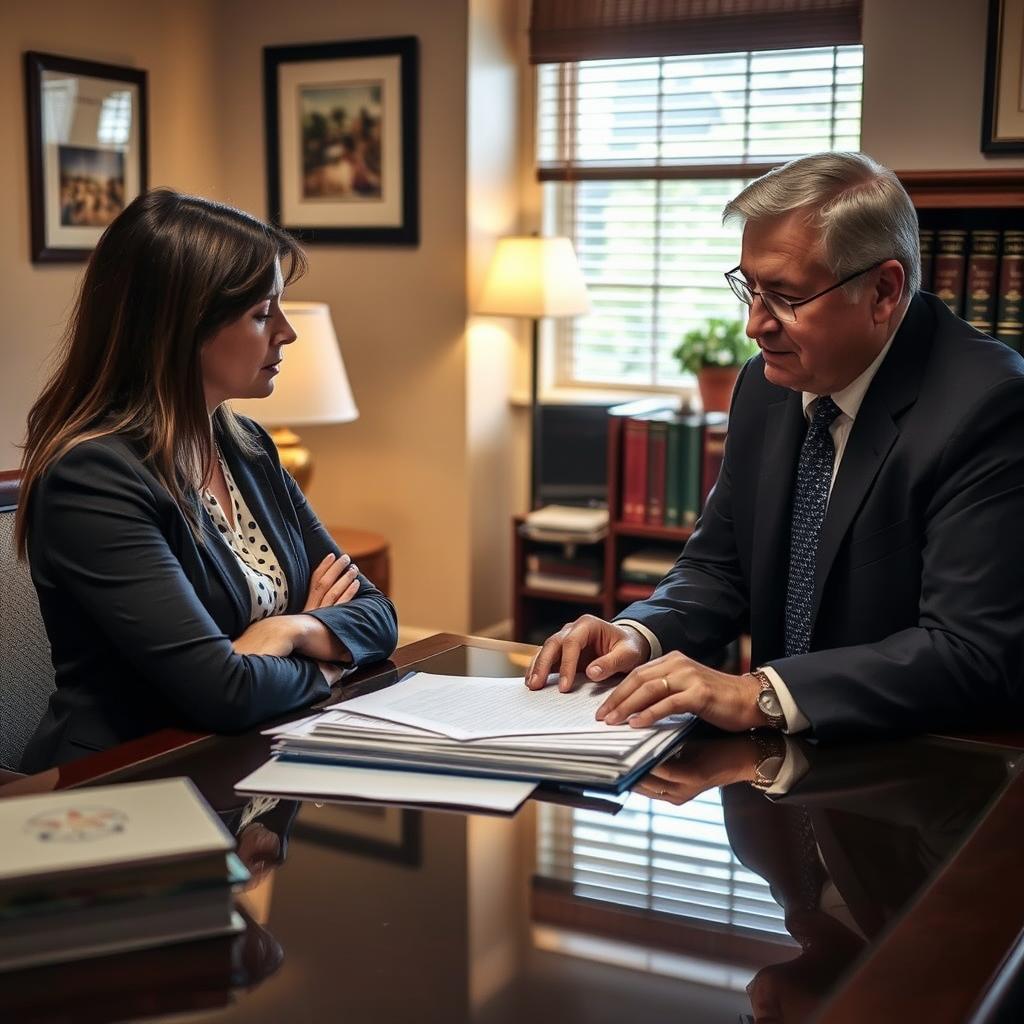
Child Guardianship Lawyer Rappahannock County, VA
You are a grandmother in Flint Hill, Rappahannock County. Your daughter is facing a serious health challenge and can no longer care for your eight‑year‑old granddaughter. The child has been living with you for months—you do everything a parent does—but without legal guardianship, you cannot enroll her in school or consent to medical treatment. A child guardianship lawyer in Rappahannock County, VA can help you petition the court for the legal authority to make decisions for your granddaughter. Call Law Offices Of SRIS, P.C. at (888) 437‑7747 to schedule a consultation. Law Offices Of SRIS, P.C. – Advocacy Without Borders.
Understanding Your Legal Options for Child Guardianship
When a parent is unable to provide care, relatives often step in. In Virginia, obtaining legal guardianship over a child gives you the same rights as a parent for personal and medical decisions. Guardianship is not the same as custody; custody can be temporary and shared, while guardianship places full responsibility on the guardian. For a child whose parents are still alive but unable to fulfill their role, guardianship is the path that lets you act with authority.
Mr. Sris and his Of Counsel help families in Rappahannock County determine whether guardianship is right for their situation. They evaluate the circumstances, identify the necessary evidence, and prepare the petition for filing in the Rappahannock County Juvenile and Domestic Relations District Court—the court that hears guardianship matters involving children. If the case involves a pending divorce or equitable distribution, the Rappahannock County Circuit Court may also have jurisdiction. The firm’s attorneys guide you through every step while keeping the child’s well‑being at the center.
Who Can Petition for Child Guardianship in Virginia
Virginia law allows several categories of individuals to file a petition for guardianship of a child. Grandparents, aunts, uncles, adult siblings, and other relatives who have a legitimate interest in the child’s welfare may petition the court. In some cases, a family friend or other non‑relative who has served as the child’s primary caregiver may also have standing. The key requirement is that the petitioner demonstrate a meaningful connection to the child and a genuine concern for the child’s welfare. The court will examine the nature and duration of the relationship between the petitioner and the child when deciding whether to grant the petition.
Before filing, the petitioner should gather documentation that supports the request. Medical records, school enrollment forms, correspondence with the parents, and any evidence showing the parents’ inability to care for the child can all be relevant. Mr. Sris and his Of Counsel assist with organizing these materials and presenting them in a manner consistent with the court’s expectations. The petition must clearly state the grounds for seeking guardianship and explain why granting the petition serves the child’s best interests.
What to Expect in a Rappahannock County Guardianship Case
Every guardianship case follows a process set by Virginia law. First, a petition is filed with the court, naming the proposed guardian and the child. The parents must be notified unless their rights have been terminated or they cannot be located. The court may order a home study or investigation by social services to evaluate the living situation. Then a hearing is scheduled; both the petitioner and the parents have the opportunity to present evidence and testimony. The judge decides based on what serves the child’s best interests.
Because each case turns on its facts, the timeline depends on the court’s calendar, the availability of witnesses, and whether the parents contest the petition. Mr. Sris and his Of Counsel work to present a complete, well‑organized case so the judge can see clearly that guardianship is in the child’s best interests. Throughout the process, you will have an experienced attorney explaining each step and preparing you for what comes next.
The Role of the Rappahannock County Juvenile and Domestic Relations District Court
The Rappahannock County Juvenile and Domestic Relations District Court handles guardianship petitions for minors in the county. This court has the authority to issue orders that establish legal guardianship, terminate existing guardianship arrangements, and modify the terms of a guardianship as circumstances change. The court convenes at the Rappahannock County Courthouse, and hearings are conducted before a judge who evaluates the evidence and testimony presented by all parties.
Filing in the correct court is essential. If a guardianship petition is filed in the wrong venue, the case may be transferred or dismissed, experienced to unnecessary delay. The Rappahannock County Juvenile and Domestic Relations District Court has specific filing requirements, including forms, filing fees, and procedural deadlines. Mr. Sris and his Of Counsel are familiar with these local requirements and ensure that petitions comply with the court’s rules. In cases where jurisdiction overlaps with the Circuit Court—for example, when a divorce or custody matter is already pending—the firm’s attorneys assess which court should hear the guardianship petition and advise accordingly.
What Happens if Guardianship Is Not Established?
Without legal guardianship, the person who is caring for the child—even a grandparent—has no authority to enroll the child in school, consent to medical treatment, or access the child’s records. A parent who is absent or incapacitated can return and take the child without notice. In more serious situations, Child Protective Services may become involved if no adult is legally responsible for the child. Establishing guardianship through the court protects the child and gives the caregiver the legal standing to make everyday decisions.
Rights and Responsibilities of a Child Guardian in Virginia
Once appointed, a guardian assumes substantial legal responsibilities for the child. The guardian has the authority to decide where the child lives, consent to medical and dental treatment, enroll the child in school, and manage the child’s daily needs. The guardian is responsible for the child’s safety, education, and general welfare. In Virginia, a guardian must also file periodic reports with the court, typically on an annual basis, detailing the child’s living situation, health, education, and overall well‑being.
The guardian’s authority continues until the child turns eighteen, unless the court terminates the guardianship earlier. A guardianship can be ended if the parents demonstrate that they are once again fit to care for the child, or if another person petitions to become the guardian. The guardian has a continuing duty to act in the child’s best interests and to keep the court informed of any significant changes in the child’s circumstances.
Experienced Attorneys Serving Rappahannock County
Law Offices Of SRIS, P.C. has been serving families in Virginia since 1997. Mr. Sris, Owner and Founder, is a former prosecutor who built the firm to provide steady, experienced representation in family law, including child guardianship, divorce, and custody matters. Mr. Sris and his Of Counsel bring extensive combined legal experience. Results may vary.
The firm has served over 10,000 clients and earned more than 100 client reviews—reflecting a commitment to caring, professional advocacy. When you work with our firm, you speak with a real attorney, not a call center. Mr. Sris and his Of Counsel appear in Rappahannock County courts and understand how local judges evaluate guardianship petitions. You can reach our Fairfax Location by appointment only at (888) 437‑7747.
Preparing for Your Guardianship Hearing
Being well‑prepared for the guardianship hearing is important. The petitioner should be ready to explain to the judge why guardianship is necessary, how the child came to live with them, and what the current living situation looks like. Witnesses who can provide firsthand knowledge of the child’s circumstances may be called to testify. The petitioner should also be prepared to answer questions from the judge and, if the parents contest the petition, cross‑examination from the parents’ attorney.
Documentation such as school records, medical records, photographs of the home environment, and any correspondence with the parents can be submitted as evidence. Mr. Sris and his Of Counsel help clients prepare their testimony, organize their exhibits, and anticipate the questions that may arise during the hearing. Knowing what to expect can reduce the stress of the court appearance and allow the petitioner to present their case clearly and effectively.
Frequently Asked Questions
What is the difference between custody and guardianship in Virginia?
In Virginia, custody generally refers to a parent’s right to make decisions for a child, while guardianship is a court order that gives a non‑parent the same authority as a parent. Custody determines which parent the child lives with and how decisions are shared. Guardianship replaces parental authority; the guardian can enroll the child in school, consent to healthcare, and handle daily affairs without the parents’ involvement.
Can I get guardianship if the parents do not consent?
Yes, a court can grant guardianship over a parent’s objection when it finds that the parent is unfit or that guardianship serves the child’s best interests. The petitioner must present clear evidence—such as abandonment, incapacity, or a history of neglect—that justifies removing the parent’s legal authority. Mr. Sris and his Of Counsel help clients gather the necessary documentation and prepare persuasive testimony for the Rappahannock County court.
How does the court decide what is in the child’s best interests?
The judge evaluates factors including the parent‑child relationship, the guardian’s ability to provide a stable home, the child’s emotional and physical needs, and any history of abuse or neglect. Virginia courts give substantial weight to the continuity of care and the child’s adjustment to the current home. Having an experienced attorney present the facts clearly helps the court make an informed decision.
Do I need a lawyer to file for guardianship in Rappahannock County?
You are not required by law to hire an attorney, but a guardianship petition involves complex paperwork, strict notice requirements, and a contested hearing—mistakes can delay or derail the case. Many successful guardianship petitions are filed with the help of a family law attorney who knows the local court’s procedures and can advocate effectively on your behalf. A consultation can help you understand whether legal representation is right for your situation.
How long does the guardianship process take in Rappahannock County?
The timeline varies depending on court scheduling, the complexity of the case, and whether the parents contest the petition. An uncontested case with cooperative parents may be resolved more quickly, while a contested guardianship with multiple hearings and home studies can take longer. Mr. Sris and his Of Counsel work to present a complete case from the start to minimize delays. For a more specific estimate, request a consultation at (888) 437‑7747.
What happens to the guardianship if the parents become able to care for the child again?
A parent can petition the court to terminate the guardianship and regain custody of the child. The parent must demonstrate that the conditions that led to the guardianship have changed, and that returning the child to the parent’s care is in the child’s best interests. The court will hold a hearing and evaluate the parent’s current circumstances, including housing stability, employment, and overall fitness to resume parental responsibilities. The guardian and any other interested parties will have the opportunity to respond and present evidence. The judge will then decide whether to continue, modify, or terminate the guardianship based on the child’s best interests.
Can a guardianship order be modified after it is granted?
Yes, a guardianship order can be modified if there has been a material change in circumstances affecting the child’s welfare. Either the guardian, the parents, or another interested party may file a motion to modify the existing order. The court will review the changed circumstances and determine whether a modification serves the child’s best interests. Common reasons for modification include a change in the guardian’s living situation, a change in the parents’ ability to provide care, or new information about the child’s needs that was not available at the time of the original order.
What is the difference between guardianship and adoption in Virginia?
Guardianship is a temporary legal arrangement that can be modified or terminated, while adoption permanently severs the legal relationship between the child and the biological parents. In a guardianship, the parents may retain certain residual rights and may seek to have the guardianship ended if circumstances change. Adoption creates a permanent parent‑child relationship that gives the adoptive parent all the rights and responsibilities of a biological parent, and the biological parents’ rights are terminated. Families considering guardianship may also wish to explore whether adoption is a more appropriate long‑term solution. Each family’s situation is different, and an attorney can help evaluate which option aligns with the family’s goals and the child’s best interests.
For a detailed statutory breakdown of Virginia guardianship law, see our firm’s comprehensive analysis at srislawyer.com.
Request a Consultation
To discuss whether guardianship is the right step for your family, reach Law Offices Of SRIS, P.C. at (888) 437‑7747. Consultations are available by appointment at our Fairfax Location: 4008 Williamsburg Court, Fairfax, VA 22032. By appointment only. Call today.
Law Offices Of SRIS, P.C. | Fairfax Location: 4008 Williamsburg Court, Fairfax, VA 22032 | (888) 437‑7747 | By appointment only
Attorney advertising. Prior results do not guarantee a similar outcome. Results may vary.
Case results depend on a variety of factors unique to each case.