
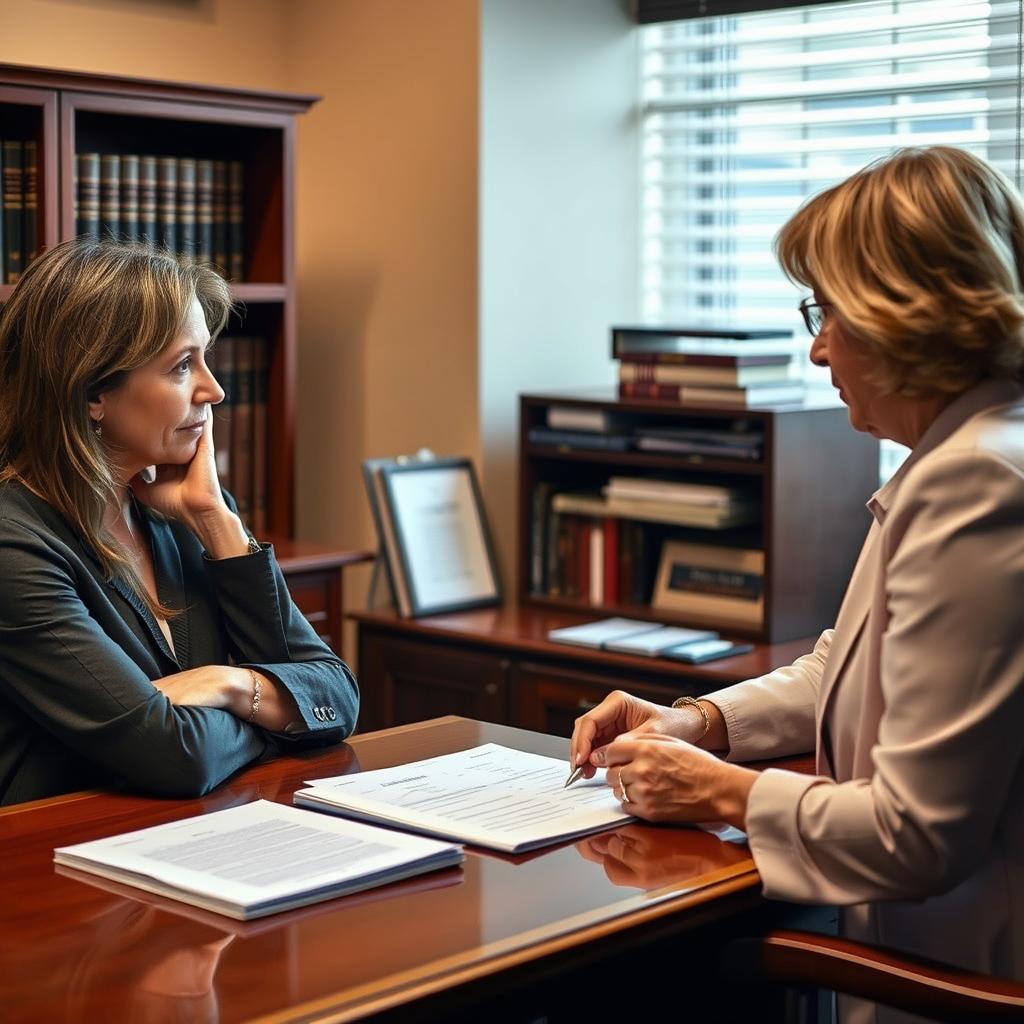
Child Guardianship Lawyer Virginia, VA
Child guardianship involves a court appointing a responsible adult to make decisions for a minor child when a parent is unable or unwilling to do so. In Virginia, this legal remedy is available under Va. Code § 64.2-2000 et seq., and it carries profound long-term implications for the child’s care, education, and financial security. Mr. Sris, Owner and Founder of Law Offices Of SRIS, P.C., understands how high the stakes are for families throughout the Commonwealth. Because the court’s determination affects where a child lives, who controls medical choices, and how an estate is managed, having an experienced attorney guide you through the statutory requirements is essential. Mr. Sris and the firm’s Of Counsel attorneys appear in Juvenile and Domestic Relations District Courts and Circuit Courts across Virginia, helping grandparents, relatives, and other concerned adults pursue or contest guardianship. They bring extensive combined legal experience to every matter. Reach Law Offices Of SRIS, P.C. at (888) 437-7747 to schedule a consultation about a child guardianship matter in Virginia. Law Offices Of SRIS, P.C. – Advocacy Without Borders.
What Child Guardianship Means in Virginia
When a child’s parents are deceased, incapacitated, or otherwise unable to provide adequate care, Virginia law allows a court to appoint a guardian of the person and, if needed, a conservator of the estate. Unlike child custody—which typically arises between two parents in a divorce or separation—guardianship transfers legal decision-making authority to a third party. The probate division of the Circuit Court hears most guardianship petitions, while the Juvenile and Domestic Relations District Court may also address related protective issues. The statutory framework under Va. Code Title 64.2 requires clear and convincing evidence that the child’s welfare demands the appointment. The court assesses the proposed guardian’s fitness, the child’s relationship with the petitioner, and whether the guardianship furthers the child’s best interests. Because the proceeding involves significant parental-rights implications, the legal standard is rigorous, and the outcome can permanently reshape a family’s structure.
Virginia’s approach to child guardianship is fact‑intensive. The court may order a home study or a guardian ad litem investigation, and multiple hearings are common when the matter is contested. A guardian of the person assumes day‑to‑day care, schooling, and medical decisions, while a conservator manages any assets the child may have—a distinction that matters when a child inherits property or receives a settlement. Even after appointment, the guardian must file periodic reports with the Commissioner of Accounts, making the obligation an ongoing one. Because the process is governed by local court procedures that can vary from county to county, working with a lawyer who understands both the uniform statutes and the local court culture helps families move forward without unnecessary delay.
How Mr. Sris and the Firm’s Of Counsel Attorneys Handle Child Guardianship Cases
From the first consultation, Mr. Sris and the firm’s Of Counsel attorneys focus on the legal and practical dimensions that the court will weigh. They review the child’s circumstances, the prospective guardian’s background, and any opposition that may exist from parents or other relatives. When a petition for guardianship is appropriate, they prepare the required filings—including the sworn petition, notices to interested parties, and supporting affidavits—and present the case in the appropriate Virginia court. When a guardianship is being challenged, they work to protect the child’s stability by scrutinizing the petitioner’s legal standing and fitness.
The team treats every child‑guardianship matter as a coordinated effort that may require input from social workers, healthcare providers, and financial professionals. They explain the responsibilities a guardian will assume, from ensuring the child’s educational needs are met to managing any funds under court supervision. Their goal is to secure a durable legal arrangement that promotes the child’s wellbeing while respecting the rights of all parties. Throughout the proceeding, they remain available to answer questions and adjust strategy as new facts arise, always with an eye toward the child’s long‑term safety.
About Mr. Sris and the Firm’s Of Counsel Attorneys
Mr. Sris is Owner and Founder of Law Offices Of SRIS, P.C. A former prosecutor, he founded the firm in 1997 and is admitted to practice in Virginia, Maryland, the District of Columbia, New Jersey, and New York. His legislative experience includes testifying before the Virginia House Courts of Justice Committee in support of 2019 HB 635 (chief patron Del. David Bulova). The firm’s Of Counsel attorneys contribute additional backgrounds—including prior service as a former Maryland Assistant State’s Attorney and a former Virginia State Trooper—that strengthen the representation the firm provides in family law matters. Mr. Sris and the firm’s Of Counsel attorneys bring extensive combined legal experience. Results may vary.
Frequently Asked Questions
What is child guardianship in Virginia?
Child guardianship is a court‑created legal arrangement in which a judge appoints a responsible adult to make personal and sometimes financial decisions for a minor child whose parents cannot provide adequate care. It is authorized under Va. Code Title 64.2 and is distinct from custody. The guardian assumes day‑to‑day responsibility for the child’s welfare, including housing, education, and medical decisions. If the child has assets, a separate conservator may be appointed to manage them. The appointment remains in effect until the child turns 18 or until the court modifies or terminates it.
Who can seek guardianship of a child in Virginia?
Any adult who can demonstrate a genuine interest in the child’s welfare and show that guardianship serves the child’s best interests may petition the Circuit Court for appointment. Frequently, grandparents, adult siblings, aunts, uncles, or family friends file petitions. The court examines the proposed guardian’s background, financial stability, and relationship with the child. A parent who objects has the right to be heard, and the court must weigh the parent’s fundamental rights against the child’s need for protection.
How is a child guardianship different from child custody?
Child custody is a legal determination made between two parents in a divorce or paternity case, while child guardianship places a non‑parent in a parental role when neither parent is able to serve as the child’s primary caregiver. Custody orders are typically entered by Juvenile and Domestic Relations District Courts; guardianship orders are usually handled by Circuit Courts. Guardianship can suspend or terminate parental rights and creates a court‑supervised relationship between the guardian and the child that includes ongoing reporting obligations.
What happens if someone objects to a guardianship petition?
When a guardianship petition is contested, the court schedules an evidentiary hearing at which both sides may present witnesses, documents, and arguments about the child’s best interests. The court may appoint a guardian ad litem—an attorney who independently investigates and recommends what arrangement serves the child’s needs. Contested proceedings can involve testimony from social workers, medical experts, and family members. The judge’s decision is based on the evidence and the statutory factors, and it can be appealed to the Court of Appeals of Virginia.
Can a guardianship be ended or modified?
Yes, a guardianship can be terminated or modified by the court if circumstances change—for example, if a parent regains the ability to care for the child or if the guardian becomes unfit. A motion to modify or terminate must be filed with the court that issued the original order. The court will hold a hearing and apply the same best‑interest standard used in the original appointment. Because the process requires the same legal precision as the initial petition, a lawyer can help present the changed circumstances clearly and persuasively.
Do I need a lawyer for a child guardianship case in Virginia?
You are not required to have a lawyer, but the legal process is complex, and a misstep can delay or jeopardize a guardianship appointment. The petition and supporting documents must meet strict pleading standards, and the hearing involves rules of evidence that can be difficult to navigate without legal training. An experienced attorney can help you assemble the required proof, prepare witnesses, and present your case in a way that focuses the court on the child’s needs. To discuss the details of your matter, contact Law Offices Of SRIS, P.C. at (888) 437-7747.
Related Pages
Virginia family law representation | child custody lawyer Virginia | general guardianship lawyer Virginia | child support lawyer Virginia | divorce lawyer Virginia
Virginia Legal Resources
Virginia Code Title 64.2 – Guardianship and Conservatorship
Virginia Judicial System
Virginia Circuit Courts
Attorney advertising. Prior results do not guarantee a similar outcome. Results may vary.
Case results depend on a variety of factors unique to each case.