
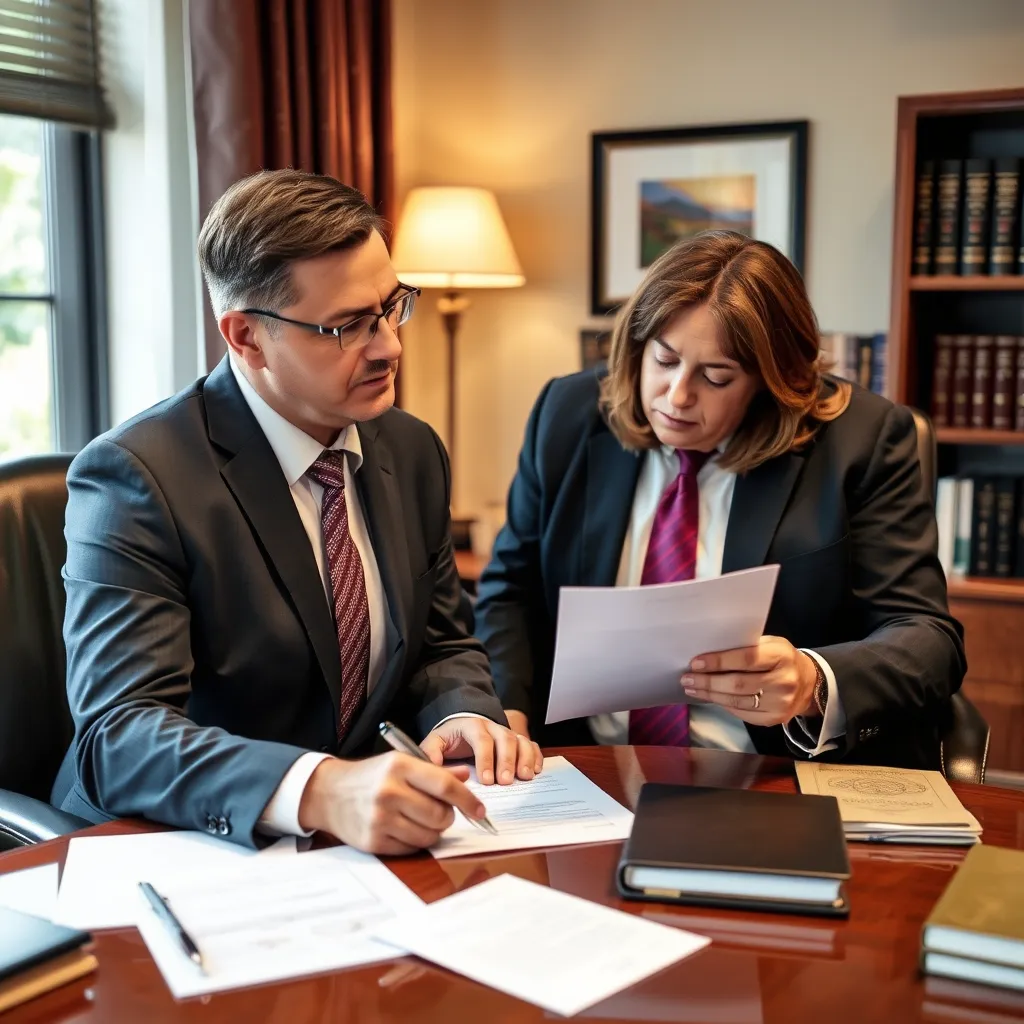
Cruelty Divorce Lawyer in Falls Church, VA
If you are navigating the emotional and legal complexities of a divorce involving allegations of cruelty, the situation can feel overwhelming. You may be facing not only the dissolution of a marriage but also the need to prove difficult claims regarding spousal misconduct or abuse. The law surrounding marital cruelty is highly fact-specific, and the evidence required to support such claims—whether in the context of asset division, alimony, or custody determinations—is complex.
At Law Offices Of SRIS, P.C., we understand that every divorce story is unique. We do not offer generalized advice; instead, we provide targeted counsel based on the specific laws governing your jurisdiction, whether you are located in Falls Church, Virginia, or another state we serve. Our approach focuses on building a comprehensive legal strategy that addresses the core issues of misconduct while protecting your rights and future stability.
If you need to speak with an attorney who has extensive experience handling sensitive marital disputes, please reach out to our team. We encourage you to call us directly at (888) 437-7747 to schedule a confidential consultation at our Falls Church location. By appointment only.
What is a Cruelty Divorce Lawyer in Falls Church, VA?
A cruelty divorce lawyer is an attorney practicing in the complex intersection of marital misconduct and family law. In Virginia, as in many jurisdictions, “cruelty” is not always a standalone legal claim that automatically dictates the outcome of a divorce. Instead, allegations of cruelty—which can encompass emotional abuse, physical neglect, financial misconduct, or patterns of behavior that render cohabitation intolerable—are often used as evidence to support other claims, such as grounds for divorce, alimony modification, or custody adjustments.
Our role is to analyze the specific facts of your case. We examine whether the alleged conduct meets the statutory definition of cruelty in Virginia Code and, more importantly, how that evidence can be leveraged to achieve the most favorable outcome for you. This requires meticulous documentation, expert witness coordination, and a thorough understanding of local court practices in the Falls Church area.
Understanding Grounds for Divorce in Virginia
Virginia law provides several grounds upon which a divorce can be filed. While fault-based claims (like cruelty) historically played a larger role, modern family law emphasizes “no-fault” grounds as well. Understanding the difference is crucial because the ground you use may impact your financial settlement, particularly regarding alimony and property division. A lawyer experienced in this area will guide you through the nuances of whether your allegations of misconduct qualify as sufficient grounds to proceed with a divorce filing.
For instance, while some jurisdictions might require proof of physical violence, Virginia law allows for other forms of marital breakdown. We help clients determine the strongest legal path forward, ensuring that any evidence of cruelty is presented in the most effective manner possible within the framework of Virginia statutory law. If you are considering filing for divorce, understanding your rights and the available grounds is the critical first step.
Gathering Evidence of Marital Cruelty
The success of a cruelty claim hinges entirely on evidence. This is not a matter of memory or accusation; it is a matter of admissible proof. Evidence can take many forms: documented communications, financial records showing dissipation of assets, medical records related to abuse, or testimony from third parties. A key part of our service is helping you organize this disparate information into a cohesive, legally sound narrative.
We guide clients on what evidence is admissible in Virginia courts and how to properly preserve it. Furthermore, we advise on the strategic use of discovery tools—such as interrogatories and requests for production—to uncover financial or behavioral patterns that support your claims. Do not attempt to gather this evidence alone; the rules are strict, and improper collection can jeopardize your case.
How Cruelty Allegations Impact Custody and Support
The allegations of cruelty often have a direct, though not guaranteed, impact on custody and support determinations. Courts are deeply concerned with the safety and best interests of the children involved. If evidence suggests that one party’s behavior has created an unsafe or hostile environment, this can be a critical factor considered by the judge. Similarly, financial misconduct or patterns of wastefulness may influence alimony awards.
It is vital to understand that while allegations are serious, they must be presented with legal precision. We work closely with custody attorneys and family law mediators to ensure that any evidence of misconduct is framed within the context of child safety and parental fitness, maximizing its persuasive weight in court.
How Does Cruelty Affect Asset Division During Divorce?
Asset division is typically governed by state laws regarding marital property. While some states may allow misconduct to be considered in dividing assets, the impact of cruelty allegations on property division can be highly debated and jurisdiction-dependent. Generally, courts aim for an equitable division of assets accumulated during the marriage. However, if one party’s alleged misconduct involved financial dissipation—such as draining joint accounts or liquidating businesses without consent—this evidence can be used to argue for a modification of the final settlement.
Our attorneys are skilled at tracing funds and identifying hidden or improperly transferred assets. We treat every financial document with extreme care, ensuring that any attempt by one party to diminish the marital estate is challenged vigorously in court. This requires specialized forensic accounting knowledge combined with deep legal experience.
Related Divorce Topics You May Need Guidance On
- Understanding Alimony Modification After Misconduct: Learn how alleged misconduct can impact ongoing support payments.
- Navigating High-Conflict Child Custody Disputes: Strategies for protecting your parental rights in volatile situations.
- Your Rights During the Divorce Process: A guide to what you can and cannot expect from opposing counsel.
How Mr. Sris and the Firm’s Of Counsel Attorneys Handle Cruelty Divorce Cases in Falls Church
When facing allegations of cruelty in the Falls Church area, our process is built on methodical investigation and strategic legal deployment. We begin by conducting a thorough intake interview to establish a clear timeline of events and categorize every alleged act of misconduct. This initial phase is critical for determining which claims have the strongest evidentiary foundation under Virginia law. Our team works to gather documentation—from emails and texts to financial statements—that paints a comprehensive picture of the marital breakdown, ensuring that we are prepared to argue your case with factual depth.
The strategy then evolves into litigation preparation. This involves coordinating with forensic experts to quantify the financial impact of any misconduct and preparing detailed legal briefs that cite relevant Virginia statutes. Furthermore, we utilize our network of trusted partners, including the firm’s Of Counsel attorneys, who bring specialized knowledge in areas like complex asset tracing or emotional abuse documentation. We manage the entire process—from initial filing to settlement negotiation—so you can focus on your personal well-being while we handle the legal battle. Our commitment is to provide robust representation so that you have the trusted chance of achieving a fair and just outcome.
About Mr. Sris and the Firm’s Of Counsel Attorneys
Mr. Sris, Owner and Founder of Law Offices Of SRIS, P.C., brings decades of experience to family law practice. As a former prosecutor, he possesses a unique understanding of how evidence is gathered, presented, and challenged within the courtroom. His commitment to client advocacy is matched by his thorough knowledge of Virginia, Maryland, District of Columbia, New Jersey, and New York law. Mr. Sris has built a reputation for handling the most sensitive and difficult family law matters with discretion and unwavering professionalism.
The firm’s Of Counsel attorneys are a collective of experienced practitioners who augment our core team’s capabilities. They bring specialized experience across various legal disciplines, allowing us to provide a comprehensive defense against complex allegations. We view these partners not just as resources, but as an extension of our commitment to excellence. Whether the matter involves intricate financial disputes or emotionally charged allegations of cruelty, the collective experience of Mr. Sris and the firm’s Of Counsel attorneys provides clients with experienced legal advocacy.
What to Expect in a Divorce Case in Falls Church
Divorce is rarely a single event; it is a multi-stage legal process. Generally, the initial stages involve filing petitions and temporary orders, which address immediate needs like temporary support and custody arrangements. Following this, the discovery phase begins, which can be lengthy as both sides exchange evidence and information. This is where allegations of cruelty often become highly contested, requiring detailed documentation.
The process culminates in mediation or a final trial hearing. We prepare you for every step, from drafting initial responses to presenting your case before a judge. We manage the timeline, ensuring that all procedural deadlines are met while actively pursuing any evidence that supports your claims of misconduct. Because the process can be stressful, we maintain clear, consistent communication throughout, keeping you informed about every development.
For personalized advice regarding your specific situation, speak directly with our experienced team. You can learn more about the credentials of Mr. Sris and our attorneys by visiting our Attorney Team page.
Where Can I Find a Divorce Lawyer Near Falls Church?
Finding the right legal counsel in a high-stakes situation like divorce is paramount. When you are looking for a DUI defense lawyer or a family law attorney near Falls Church, VA, you need someone who understands both the local court dynamics and the complexities of Virginia family law. Our physical location in Falls Church allows us to remain deeply connected to the local legal community, giving us an edge in understanding procedural nuances.
We recommend that prospective clients look beyond mere proximity and instead evaluate a firm’s proven track record in handling complex, emotionally charged disputes like those involving allegations of cruelty. Our practice has established itself by providing dedicated, results-oriented representation for the Falls Church community.
Frequently Asked Questions About Divorce and Cruelty
What is the difference between emotional abuse and marital cruelty in Virginia?
While often overlapping, “marital cruelty” can be a legal term used to describe conduct that makes continued cohabitation intolerable. Emotional abuse, however, is a broader pattern of behavior. A lawyer experienced in this area will help you determine if the alleged conduct meets the specific statutory threshold required by Virginia law.
Does alleging cruelty automatically wins the divorce case?
No. Allegations must be supported by admissible evidence and presented within the legal framework of the court. The judge will weigh all evidence—financial, behavioral, and testimonial—to determine the final outcome, so it is never past results do not guarantee a similar outcome.
If I move out of Falls Church, does my lawyer still represent me?
Yes. While we are deeply rooted in the Falls Church community, our practice serves clients across multiple jurisdictions, including Maryland and Washington D.C. We ensure that your case is managed according to the laws of your current residence.
Can financial misconduct be considered cruelty?
Yes. Financial dissipation—such as hiding assets or spending marital funds recklessly—can often be presented as a form of misconduct that contributes to the overall breakdown of the marriage and can impact asset division.
How long does the divorce process take in Virginia?
The timeline varies significantly depending on the level of agreement between parties, the complexity of assets, and the court’s calendar. It is generally a lengthy process that requires patience and persistent legal management.
Do I need to prove physical abuse to claim cruelty?
No. While physical abuse is one form of misconduct, cruelty can encompass non-physical behaviors, such as sustained emotional neglect or patterns of controlling behavior, depending on the facts presented.
What should I do if my spouse refuses to cooperate with discovery requests?
If your spouse fails to provide necessary documentation, our attorneys have established procedures for compelling compliance through the court. We can file motions to compel and seek sanctions against non-cooperative parties.
Can a lawyer help me draft a restraining order related to cruelty?
We can guide you on the process for seeking protective orders or restraining orders based on documented patterns of abuse or misconduct, ensuring all necessary legal filings are correctly executed.
Take the Next Step Toward Clarity
Divorce is one of life’s most difficult transitions. Do not navigate this process alone. If you need to speak with a highly experienced Cruelty Divorce Lawyer in Falls Church, VA who understands the nuances of Virginia family law, please contact us today. We are here to provide clear guidance and robust legal advocacy when you need it most.
(888) 437-7747 | By appointment only. Serving Falls Church, VA, and surrounding areas.
Case results depend on a variety of factors unique to each case.
Attorney advertising. Prior results do not guarantee a similar outcome.