
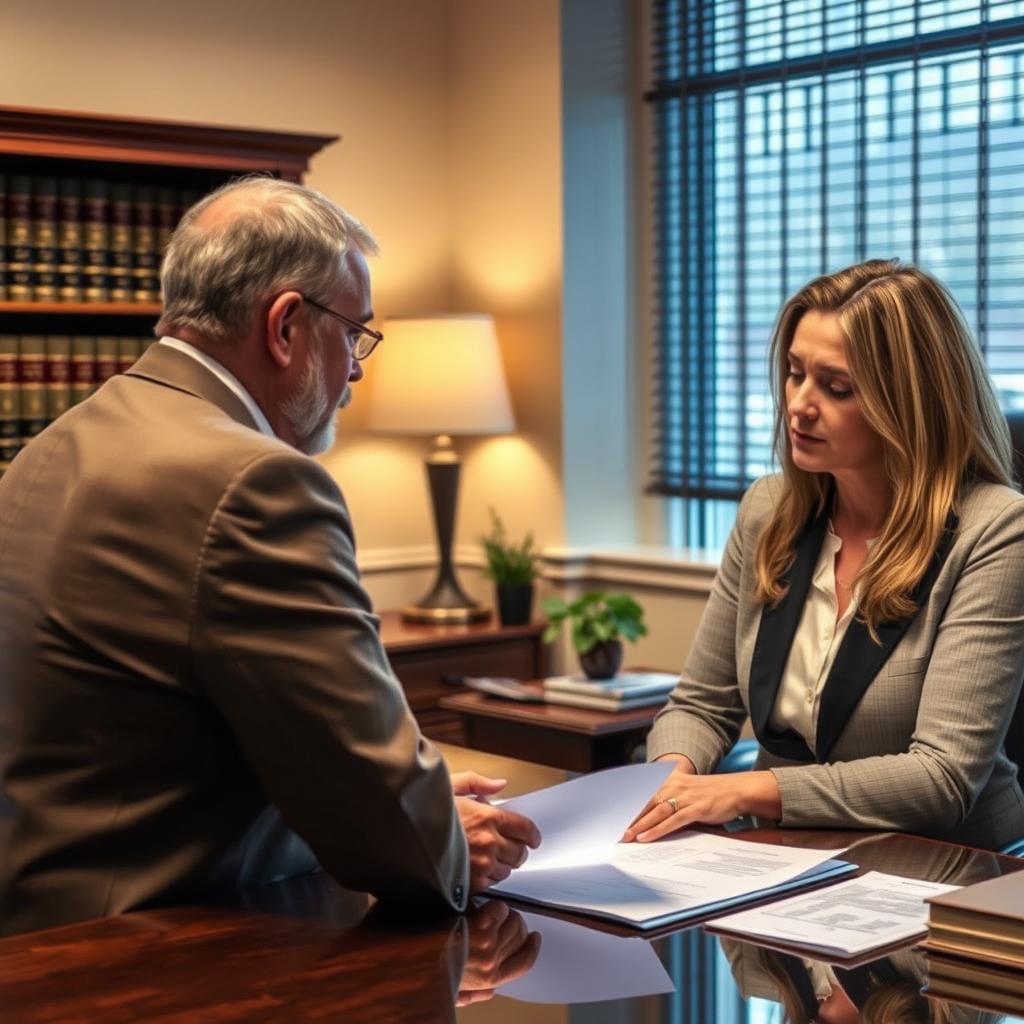
Domestic Violence Lawyer Rappahannock County, VA
If you need legal help with a domestic violence matter in Rappahannock County, Virginia, the experienced attorneys at Law Offices Of SRIS, P.C. can guide you through the process. Our firm, founded in 1997, serves clients throughout Virginia, Maryland, the District of Columbia, New Jersey, and New York from our Fairfax location. Mr. Sris, Owner and Founder of the firm, is a former prosecutor who brings a practical, multi‑state perspective to family law cases involving protective orders, custody disputes, and divorce. Domestic violence situations can affect every aspect of your family’s safety and stability, and a knowledgeable lawyer can help you understand your options and take the right steps. Reach our Fairfax location at (888) 437-7747 to schedule a consultation. Staff includes Spanish‑ and Tamil‑speaking professionals. Results may vary. Law Offices Of SRIS, P.C. – Advocacy Without Borders.
What Domestic Violence Practice Means in Rappahannock County
Rappahannock County domestic violence matters are primarily handled in the Rappahannock County Juvenile & Domestic Relations District Court, located at 250 Gay Street, Suite 1, Washington, VA 22747. This court issues protective orders that restrict contact between a petitioner and an alleged abuser, and it also decides related child custody, visitation, and support questions when abuse is alleged. The County lies in Virginia’s Twentieth Judicial District and shares judges with nearby counties, so the court’s approach to domestic violence cases reflects the region’s careful balancing of individual safety with family relationships.
A domestic violence case in Rappahannock County often begins with a petition for a protective order under Virginia Code § 16.1‑253.1 (preliminary protective order) or § 16.1‑279.1 (permanent protective order). The petitioner describes the incident of abuse, threats, or force, and the court may grant an ex parte temporary order the same day. Within a short period set by the court, a full hearing is held where both sides can present evidence. Because domestic violence allegations can also influence divorce proceedings, property division, and spousal support in the Rappahannock County Circuit Court, it is important to address the issue comprehensively. At Law Offices Of SRIS, P.C., we focus on the family law implications of domestic violence while coordinating any related criminal defense strategy that may be necessary.
How Mr. Sris and His Of Counsel Handle Protective Order and Related Family Law Cases
When you contact our firm about a domestic violence situation in Rappahannock County, we start by evaluating the full picture—whether you are seeking protection or responding to allegations. Because domestic violence claims often overlap with custody, child support, and divorce, Mr. Sris and his Of Counsel address all of the connected legal pieces. We prepare for the protective order hearing with detailed evidence, witness preparation, and a clear explanation of how the outcome may affect future family court proceedings.
Our team focuses on the statutory factors that govern protective orders and custody decisions under Virginia law, ensuring that the court hears your side of the story. We handle matters ranging from initial emergency protective orders to permanent orders that can last up to two years under the statute, and we assist with modifications when circumstances change. Throughout the process, we make sure you understand what is happening, what to expect at each hearing, and how your family law case may be impacted. Because we have extensive combined legal experience between Mr. Sris and his Of Counsel, we are able to address both the immediate safety concerns and the long‑term family stability that domestic violence cases demand. Results may vary.
About Mr. Sris and the Firm’s Of Counsel Attorneys
Mr. Sris, Owner and Founder of Law Offices Of SRIS, P.C., has practiced law since 1997. He is a former prosecutor who is admitted to the bars of Virginia, Maryland, the District of Columbia, New Jersey, and New York. Mr. Sris testified before the Virginia House Courts of Justice Committee in support of 2019 HB 635 (chief patron Del. David Bulova). His multi‑state experience and familiarity with the Virginia court system allow him to handle the complex cross‑jurisdictional issues that can arise in domestic violence and family law.
The firm’s Of Counsel attorneys are independently contracted practitioners who work collectively with Mr. Sris on domestic violence and family law matters. Their wide‑ranging backgrounds bring additional perspective to protective order hearings, custody trials, and divorce litigation. Together, Mr. Sris and the firm’s Of Counsel attorneys provide clients in Rappahannock County with dedicated, practical representation throughout the family court process.
Frequently Asked Questions
What is a protective order in Virginia?
A protective order is a civil court order that restricts contact between a petitioner and an alleged abuser to prevent further acts of violence, force, or threat. In Virginia, protective orders are issued by the Juvenile & Domestic Relations District Court and can prohibit the respondent from contacting, harassing, or going near the petitioner and the petitioner’s family or household members. A violation of a protective order is a criminal offense.
How do I get a protective order in Rappahannock County?
You start by filing a petition with the Rappahannock County Juvenile & Domestic Relations District Court, describing the recent incident of abuse or threat. The court can grant an immediate temporary (preliminary) protective order without the respondent being present. A full hearing is then scheduled, typically within 30 days, where both parties may present evidence and testimony before the judge decides whether to issue a permanent protective order.
What happens after a protective order is issued?
Once a protective order is in place, the respondent must follow all its restrictions, such as staying away from the petitioner and any listed family members. If the order includes provisions regarding child custody, visitation, or use of the family home, those become enforceable court orders. Any violation can lead to criminal charges. The order remains in effect for the period set by the court, usually up to two years, and may be extended upon a showing of continued need.
Can a protective order affect child custody?
Yes, a protective order can directly affect child custody and visitation arrangements in Virginia. The court may grant temporary custody to the protected parent and limit or suspend the other parent’s visitation if it finds that contact would endanger the child. In a later custody trial, the existence of a domestic violence finding is one of the factors the court must consider when determining the child’s best interests.
How does domestic violence impact divorce proceedings?
Domestic violence can influence every major issue in a Virginia divorce, from fault‑based divorce grounds to property division and spousal support. Cruelty or reasonable apprehension of bodily hurt is a fault ground for divorce under Virginia Code § 20‑91, and a court may weigh abusive conduct when dividing marital property or awarding spousal support. A protective order can also establish a factual record that supports a parent’s request for primary custody.
Do I need a lawyer for a protective order hearing?
While you are not legally required to have a lawyer, an experienced attorney can significantly improve your chances of presenting a clear, effective case. Protective order hearings involve rules of evidence and procedure. A lawyer can help you organize evidence, prepare witnesses, cross‑examine the opposing party, and tie the protective order proceeding to any pending custody or divorce matter. Legal guidance helps protect your rights at every stage.
What is the difference between a preliminary and permanent protective order?
A preliminary protective order is a temporary, ex parte order issued quickly to give immediate protection, while a permanent protective order is issued after a full hearing where both parties have an opportunity to be heard. The preliminary order lasts only until the full hearing, usually up to 15 or 30 days. At the hearing, the judge decides whether the evidence supports a longer‑term order that can remain in effect for up to two years.
Can I get a protective order if the abuser is a family member?
Yes, Virginia’s protective order statutes apply specifically to “family or household” members, including spouses, former spouses, parents, children, and others who have lived together or have a child in common. If the abuse involves someone who does not fall into that category, a different type of protective order or criminal no‑contact order may be available. An attorney can advise you on the appropriate path for your situation.
What if the abuser violates the protective order?
A violation of a protective order is a criminal offense in Virginia, and law enforcement can arrest the respondent without a warrant. The petitioner should call 911 and document the violation. The court may also find the respondent in contempt of court for disobeying a civil order, which can result in additional fines or jail time. Recurring violations often lead to more serious criminal charges.
How can an attorney help with domestic violence cases?
An attorney helps you navigate the legal system by preparing and filing petitions, gathering evidence, representing you in court hearings, and addressing related family law issues like custody and divorce. Attorneys can also negotiate with the other side, request appropriate modifications to existing orders, and coordinate with victim advocates or prosecutors when a criminal case runs alongside a civil protective order matter.
Is domestic violence considered in child custody decisions?
Yes, Virginia law requires the court to consider any history of family abuse when deciding child custody, and it is one of the ten statutory best‑interest factors. A founded allegation of domestic violence can result in supervised visitation, restrictions on overnight stays, or a complete denial of custody to the abusive parent. The court’s primary concern is the physical and emotional safety of the child.
What should I bring to a protective order hearing?
You should bring any evidence that supports your petition, such as photographs of injuries, threatening messages, witness contact information, police reports, and any prior protective orders. A detailed written chronology of events is also helpful. If the case involves custody or financial support, bring relevant documents like the child’s school records, pay stubs, or a parenting plan proposal. Your attorney can help you organize this material beforehand.
For guidance on your specific situation, reach Law Offices Of SRIS, P.C. at (888) 437-7747.
Rappahannock County Family Law Representation
Law Offices Of SRIS, P.C. has documented 40 case results across all practice areas in Rappahannock County, with a 98% favorable outcome rate. Results may vary. Our firm’s experience in the Rappahannock County Juvenile & Domestic Relations District Court and the Rappahannock County Circuit Court positions us to handle the unique procedural and factual challenges that domestic violence cases present.
If you are facing a domestic violence situation, you do not have to go through it alone. Our attorneys are available to discuss protective orders, custody modifications, divorce strategy, and any criminal defense needs that may arise. Contact Law Offices Of SRIS, P.C. at (888) 437-7747 to schedule a consultation.
Related Practice Areas in Nearby Communities
- Fairfax County family law attorney
- Fairfax City family law lawyer
- Falls Church family law lawyer
- Prince William County family law attorney
- Manassas family law lawyer
Virginia Legal Resources
For official statutory text and court information, you may refer to these public‑sector websites:
- Virginia Code Title 16.1 – Juvenile and Domestic Relations District Courts
- Virginia Judicial System
- Virginia Code Title 20 – Domestic Relations
Attorney advertising. Prior results do not guarantee a similar outcome.
Case results depend on a variety of factors unique to each case.