
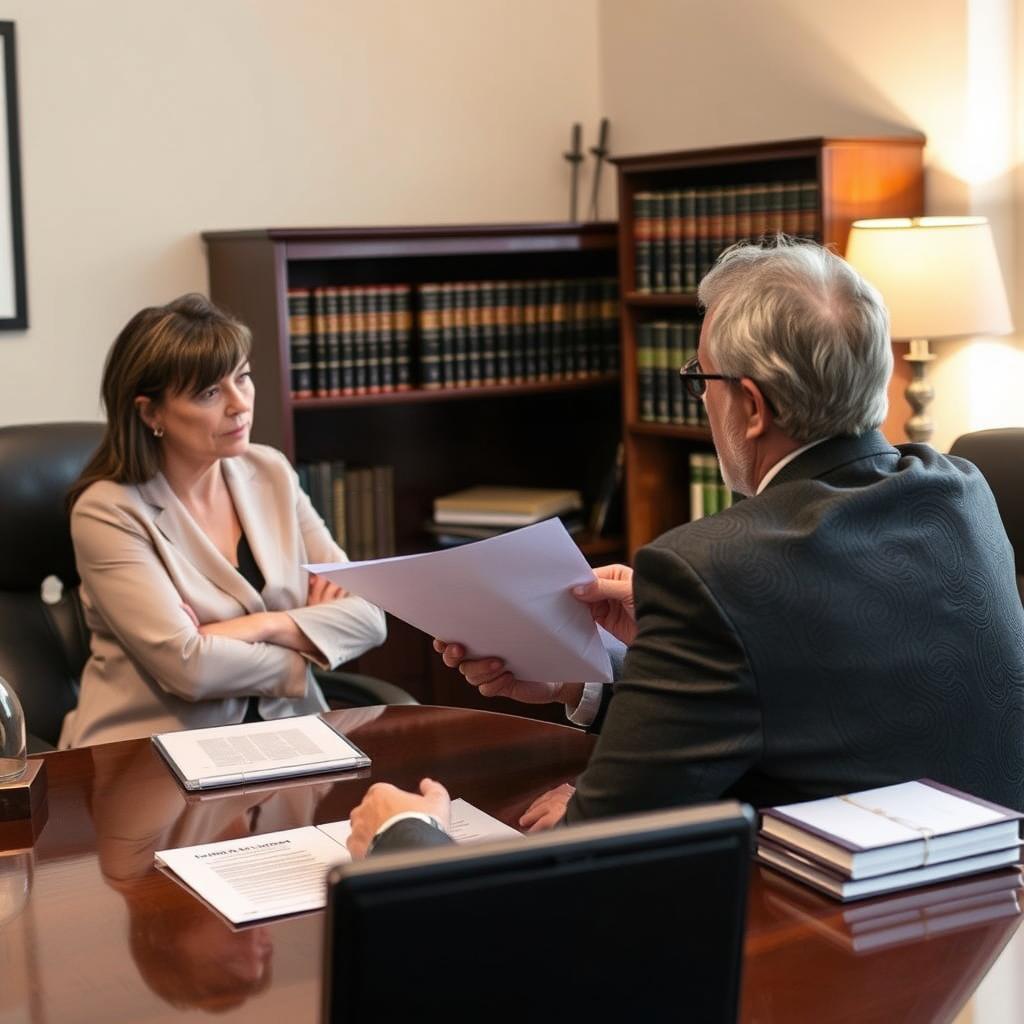
Fault Based Divorce Lawyer Fauquier County
You need a Fault Based Divorce Lawyer Fauquier County when your spouse’s misconduct is the cause for ending the marriage. Law Offices Of SRIS, P.C.—Advocacy Without Borders. A fault divorce in Virginia requires proving specific grounds like adultery or cruelty. The process is adversarial and fact-intensive. SRIS, P.C. provides direct representation in Fauquier County Circuit Court. (Confirmed by SRIS, P.C.)
Statutory Definition of Fault Divorce in Virginia
Virginia Code § 20-91(A) defines fault grounds for divorce as a Class 1 misdemeanor equivalent with the penalty being the dissolution of the marriage and related financial rulings. Fault divorces are not criminal matters, but the standard of proof is high. You must present clear and convincing evidence of one of the statutory grounds. The court’s findings on fault directly impact spousal support, property division, and custody. A Fault Based Divorce Lawyer Fauquier County knows how to marshal evidence for these hearings.
Virginia law provides several specific fault grounds. Adultery is defined under § 20-91(A)(1). Cruelty and reasonable apprehension of bodily hurt is under § 20-91(A)(6). Willful desertion or abandonment is covered by § 20-91(A)(9). Each ground has precise legal elements that must be proven. The Fauquier County Circuit Court requires strict adherence to these definitions. Your attorney must connect specific facts to the statutory language.
What are the fault grounds for divorce in Virginia?
Virginia recognizes adultery, cruelty, desertion, and felony conviction as fault grounds. Adultery requires proof of voluntary sexual intercourse. Cruelty requires proof of bodily injury or reasonable fear. Desertion requires a one-year period of willful absence. A felony conviction requires confinement for over one year. These are the primary grounds cited in a fault-based divorce filing. A lawyer must choose the ground that best fits your evidence.
How does fault affect spousal support in Virginia?
Fault is a primary factor a Virginia court considers for spousal support awards. Virginia Code § 20-107.1 explicitly lists marital misconduct as a consideration. Proven adultery or cruelty can bar a supporting spouse from receiving support. It can also increase the amount or duration of support owed to the wronged spouse. The Fauquier County judge has significant discretion based on the evidence presented.
What is the difference between a no-fault and fault divorce?
A no-fault divorce requires a separation period with no need to prove misconduct. A fault divorce requires proving specific wrongful acts by your spouse. The no-fault path under § 20-91(9) has a mandatory waiting period. The fault path can potentially proceed faster if evidence is strong. Fault allegations make the process inherently contentious and complex.
The Insider Procedural Edge in Fauquier County
Fauquier County divorce cases are filed at the Fauquier County Circuit Court located at 65 Culpeper Street, Warrenton, VA 20186. The court operates with formal procedures and expects precise filings. Local rules require specific formatting for pleadings like the Bill of Complaint. Filing fees are set by the state and must be paid at the clerk’s Location. Deadlines for responsive pleadings are strictly enforced by the court.
The timeline for a fault divorce varies based on the ground and court schedule. An uncontested fault divorce may be finalized in a few months. A contested fault divorce with discovery and hearings can take a year or more. The court’s docket in Warrenton can influence scheduling. Your attorney must manage discovery and motion practice efficiently. Procedural missteps can cause significant delays in your case.
The legal process in Fauquier County follows specific procedural requirements that affect case timelines and outcomes. Courts in this jurisdiction apply local rules that may differ from neighboring areas. An attorney familiar with Fauquier County court procedures can identify procedural advantages relevant to your situation.
What is the typical timeline for a fault divorce in Fauquier County?
A contested fault divorce in Fauquier County often takes between nine and eighteen months. The timeline starts with filing the Bill of Complaint and serving your spouse. The discovery phase for gathering evidence can last several months. Mandatory settlement conferences may be scheduled before trial. The final hearing date depends on the court’s trial calendar availability.
What are the court costs for filing a divorce in Fauquier County?
The filing fee for a divorce complaint in Fauquier County Circuit Court is approximately $89. Additional costs include fees for serving the summons and subpoenas. There may be charges for court reporters if depositions are needed. experienced witness fees can apply in cases involving complex financial or custody issues. Your attorney will provide a detailed cost estimate during your consultation.
Penalties & Defense Strategies in Fault Divorce
The most common penalty in a fault divorce is a financial ruling against the at-fault spouse. The court’s findings directly influence the final divorce decree. These rulings are not criminal penalties but have lasting legal and financial consequences. A skilled fault grounds for divorce lawyer Fauquier County develops strategies to mitigate negative outcomes.
Virginia law establishes specific statutory frameworks that govern these matters. Each case involves unique factual circumstances that require careful legal analysis. SRIS, P.C. attorneys evaluate every relevant factor when developing case strategy for clients in Fauquier County.
| Offense | Penalty | Notes |
|---|---|---|
| Adultery | Bar to spousal support; unequal property division | Must be proven by clear and convincing evidence. |
| Cruelty | Favorable custody ruling; increased spousal support award | Requires evidence of injury or reasonable fear. |
| Desertion | Forfeiture of marital home rights; support obligations | Must be willful and continuous for one year. |
| Felony Conviction | Impact on custody/visitation; possible loss of asset rights | Requires sentence of more than one year. |
[Insider Insight] Fauquier County prosecutors in juvenile and domestic relations matters, and judges in circuit court, often take a strict view on marital misconduct allegations. Evidence must be concrete. Hearsay or suspicion is typically insufficient. Local judges expect well-documented cases, especially when children are involved. An at-fault divorce lawyer Fauquier County prepares evidence with this local expectation in mind.
Can fault affect child custody decisions in Virginia?
Yes, proven fault can significantly impact child custody and visitation rulings. Virginia law requires the court to consider the best interests of the child. Evidence of cruelty, adultery, or other misconduct can reflect on a parent’s fitness. The court may limit the at-fault parent’s custody time or impose supervision conditions. This makes the custody aspect of a fault divorce critically important.
Court procedures in Fauquier County require proper documentation and adherence to filing deadlines. Missing a deadline or submitting incomplete filings can negatively impact case outcomes. Working with an attorney who handles cases in Fauquier County courts regularly ensures that procedural requirements are met correctly and on time.
Why Hire SRIS, P.C. for Your Fauquier County Fault Divorce
Attorney Bryan Block brings direct experience as a former law enforcement officer to building evidence-based fault divorce cases. His background provides insight into investigative techniques and evidence presentation. This is crucial for proving grounds like adultery or cruelty. He understands how Fauquier County courts evaluate testimony and documentation.
Bryan Block
Former law enforcement officer.
Extensive experience in family law litigation.
Focuses on strategic case development for fault grounds.
The timeline for resolving legal matters in Fauquier County depends on multiple factors including case type, court scheduling, and the positions of all parties involved. SRIS, P.C. keeps clients informed throughout the process and works to move cases forward as efficiently as possible.
SRIS, P.C. has a dedicated team for family law matters in Virginia. Our approach is direct and focused on your objectives. We analyze the specific facts of your marriage to identify the strongest legal grounds. We then gather the necessary evidence to meet the burden of proof. Our goal is to secure a favorable outcome on support, property, and custody.
We have handled numerous family law cases across the state. Our knowledge of Virginia divorce statutes is current and practical. We prepare every case as if it will go to trial. This preparation often leads to stronger settlement positions. You need a firm that will advocate forcefully in the Fauquier County Circuit Court.
Localized FAQs for Fault Divorce in Fauquier County
What evidence is needed to prove adultery in a Virginia divorce?
You need clear and convincing evidence of voluntary sexual intercourse. This can include photographs, communications, witness testimony, or admissions. Circumstantial evidence can be used but must be compelling. An experienced Virginia family law attorney knows how to collect and present this evidence properly.
How long do you have to be separated for a no-fault divorce in Virginia?
Virginia requires a continuous separation period with intent to divorce. The period is one year if you have no minor children and a separation agreement. It is six months if you have no minor children, a separation agreement, and no contested issues. The clock starts the day you begin living separate and apart.
Can you get a divorce in Virginia if your spouse contests the fault grounds?
Yes, but the case becomes a contested divorce requiring a trial. You must present your evidence in court for the judge to decide. The contesting spouse will present their own evidence and arguments. The judge will rule on whether the fault ground is proven. This makes having strong litigation representation essential.
Does moving out count as desertion in Virginia?
Not necessarily. Desertion requires a willful abandonment of marital duties for one year. Simply moving out with cause or by mutual agreement is not desertion. The key is the intent to end the marital relationship without justification. The context of the separation determines if it meets the legal definition.
Financial implications are often a significant concern in legal proceedings. Virginia courts consider relevant financial factors when making determinations. Proper preparation of financial documentation strengthens your position and supports favorable outcomes in Fauquier County courts.
What is the cost of hiring a fault divorce lawyer in Fauquier County?
Legal fees depend on case complexity, whether it is contested, and the need for trial. Attorneys typically charge an hourly rate for fault divorce litigation. A retainer fee is usually required to begin work. You should discuss fee structures and estimated costs during your initial consultation with our experienced legal team.
Proximity, CTA & Disclaimer
Our Fauquier County Location serves clients throughout the region. We are accessible for meetings to discuss your fault divorce case. Consultation by appointment. Call 703-278-0405. 24/7.
SRIS, P.C.
Virginia Family Law Practice
Phone: 703-278-0405
Procedural specifics for Fauquier County are reviewed during a Consultation by appointment at our Fauquier County Location. The strategies discussed are based on Virginia law and local practice. Each case is unique and requires individual analysis.
Past results do not predict future outcomes.