
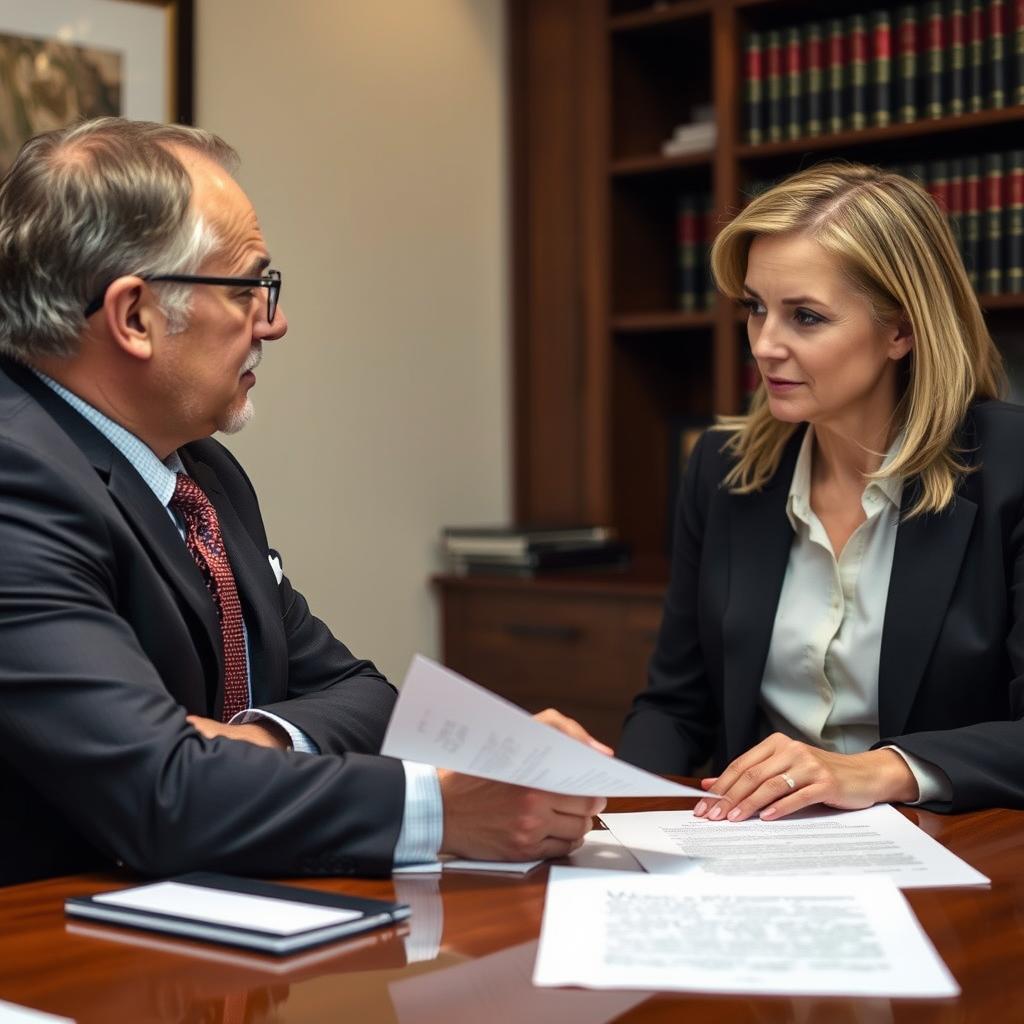
Fault Based Divorce Lawyer Fluvanna County
You need a Fault Based Divorce Lawyer Fluvanna County when your spouse’s misconduct is the cause of the marriage breakdown. Law Offices Of SRIS, P.C.—Advocacy Without Borders. provides direct legal representation for at-fault divorces in Fluvanna County. We handle cases based on adultery, cruelty, desertion, or felony conviction. Our team files the necessary pleadings and advocates in the Fluvanna County Circuit Court. (Confirmed by SRIS, P.C.)
Statutory Definition of Fault Divorce in Virginia
Virginia Code § 20-91 outlines the specific fault grounds for divorce. A fault-based divorce in Virginia is a judicial dissolution of marriage granted due to one spouse’s misconduct. The maximum consequence is the termination of the marital bond and the potential loss of certain marital rights for the at-fault party. You must provide clear and convincing evidence of the fault ground alleged. The statute lists several specific acts that constitute legal fault.
Filing for divorce on fault grounds is different from a no-fault proceeding. You carry the burden of proof. The court requires more than mere allegations. You need documented evidence to support your claim. The process is inherently adversarial. It often involves contested hearings and discovery. A Fault Based Divorce Lawyer Fluvanna County handles this evidentiary challenge. They build a case that meets the statutory standard.
What are the fault grounds under Virginia law?
Virginia law specifies five primary fault grounds for divorce. Adultery is a complete defense to spousal support under § 20-107.1. Cruelty includes willful infliction of physical or reasonable apprehension of bodily hurt. Desertion requires a one-year period of voluntary separation without cohabitation. Felony conviction requires a sentence of more than one year and confinement. The fifth ground is based on a spouse’s proven insanity and confinement.
How does fault impact property division and support?
Fault can significantly influence a judge’s decisions on equitable distribution and spousal support. Virginia is an equitable distribution state under § 20-107.3. The court considers the causes of the dissolution when dividing marital property. Proven marital misconduct like adultery or cruelty can affect the share awarded. Fault is a direct statutory factor in determining spousal support awards under § 20-107.1. A finding of adultery can bar the adulterous spouse from receiving support.
What is the difference between a divorce from bed and board and a vinculo matrimonii?
A divorce from bed and board is a limited divorce, not a final dissolution. It is a legal separation ordered by the court. The marriage bond is not severed, so neither party can remarry. A divorce a vinculo matrimonii is an absolute divorce. It completely dissolves the marriage. Both fault and no-fault grounds can support an absolute divorce decree. Most fault-based filings seek an absolute divorce to allow remarriage.
The Insider Procedural Edge in Fluvanna County
Your case will be filed and heard at the Fluvanna County Circuit Court. The address is 132 Main Street, Palmyra, VA 22963. This court handles all contested divorce matters for Fluvanna County residents. You must meet the statutory residency requirements before filing. At least one party must have been a Virginia resident for six months. The filing fee for a Complaint for Divorce is set by the Virginia Supreme Court. Procedural specifics for Fluvanna County are reviewed during a Consultation by appointment at our Fluvanna County Location. Learn more about Virginia family law services.
The local procedural rules require strict adherence to filing deadlines. All pleadings must be served according to Virginia rules of civil procedure. The court’s docket moves at a deliberate pace. Expect scheduling orders from the judge’s chambers. Local rules may require a settlement conference before trial. The court expects professional conduct from all attorneys. A Fault Based Divorce Lawyer Fluvanna County knows these local expectations.
The legal process in Fluvanna County follows specific procedural requirements that affect case timelines and outcomes. Courts in this jurisdiction apply local rules that may differ from neighboring areas. An attorney familiar with Fluvanna County court procedures can identify procedural advantages relevant to your situation.
What is the typical timeline for a fault divorce case in Fluvanna County?
A contested fault divorce typically takes several months to over a year to finalize. The timeline starts with filing the complaint and serving the other spouse. The defendant has 21 days to file an Answer after service. Discovery periods for gathering evidence can last 60 to 90 days. Court hearings for temporary support or motions may occur during this period. A final trial date is set once discovery is complete. The judge issues a final decree after hearing all evidence.
What are the key filing requirements for a fault divorce complaint?
Your complaint must state the specific fault ground with particularity under Virginia law. You must allege the date and place of the misconduct if known. The complaint must include a prayer for relief requesting an absolute divorce. You must affirm that at least one party meets the six-month residency requirement. The filing must include a civil cover sheet and the correct filing fee. The original complaint is filed with the Circuit Court clerk. A copy must be properly served on the opposing spouse.
Penalties & Defense Strategies in Fault Divorce Cases
The most common penalty in a fault divorce is the financial and custodial disadvantage for the at-fault spouse. The court’s findings directly impact its rulings on critical issues. A proven fault ground shifts use in negotiations and trial. The table below outlines the potential legal consequences. Learn more about criminal defense representation.
Virginia law establishes specific statutory frameworks that govern these matters. Each case involves unique factual circumstances that require careful legal analysis. SRIS, P.C. attorneys evaluate every relevant factor when developing case strategy for clients in Fluvanna County.
| Offense | Penalty | Notes |
|---|---|---|
| Adultery | Bar to spousal support; impact on property division | Must be proven by clear and convincing evidence. |
| Cruelty | Favorable custody determination; potential protective orders | Includes physical harm or reasonable fear of harm. |
| Desertion | Forfeiture of rights to marital home; impact on support | Requires one year of voluntary separation without consent. |
| Felony Conviction | Negative factor in child custody determinations | Sentence must be over one year with confinement. |
[Insider Insight] Fluvanna County prosecutors in juvenile and domestic relations matters, and judges in circuit court, scrutinize fault allegations closely. They expect solid, admissible evidence, not just suspicion. Hearsay and circumstantial evidence alone are often insufficient. Local practice emphasizes corroborating testimony or documentary proof. An experienced at-fault divorce lawyer Fluvanna County knows how to present this evidence effectively.
How can a spouse defend against a fault-based allegation?
A strong defense challenges the sufficiency and credibility of the evidence presented. The defending spouse can deny the allegation entirely. They can present an alibi or contradictory evidence. They can argue condonation if the accusing spouse continued cohabitation after learning of the fault. They can assert connivance if the accusing spouse consented to the act. They can claim recrimination, proving the accusing spouse also committed a fault. A procedural defense might challenge improper service or filing.
What are the collateral consequences of a fault finding?
A fault finding becomes a matter of public court record. It can damage personal and professional reputation. It can affect future relationships and remarriage prospects. The finding can be used in related family law matters like custody modifications. It may influence decisions on attorney’s fee awards to the prevailing party. The emotional toll of a contested fault trial is significant for all involved.
Court procedures in Fluvanna County require proper documentation and adherence to filing deadlines. Missing a deadline or submitting incomplete filings can negatively impact case outcomes. Working with an attorney who handles cases in Fluvanna County courts regularly ensures that procedural requirements are met correctly and on time. Learn more about personal injury claims.
Why Hire SRIS, P.C. for Your Fluvanna County Fault Divorce
Our lead attorney for complex family law matters is Bryan Block. Mr. Block brings a rigorous, detail-oriented approach to building fault divorce cases. His background ensures a methodical review of all evidence and procedural steps. He focuses on constructing a compelling narrative for the Fluvanna County Circuit Court.
SRIS, P.C. has secured favorable outcomes in numerous contested family law cases in Virginia. Our team understands the high stakes of fault-based litigation. We prepare every case as if it is going to trial. We conduct thorough discovery, including subpoenas and depositions when necessary. We work with investigators and experienced attorneys to corroborate evidence. Our goal is to position you for the strongest possible result, whether through settlement or verdict.
The timeline for resolving legal matters in Fluvanna County depends on multiple factors including case type, court scheduling, and the positions of all parties involved. SRIS, P.C. keeps clients informed throughout the process and works to move cases forward as efficiently as possible.
We offer a strategic advantage in Fluvanna County domestic relations cases. We know the local court personnel and procedures. We understand what evidence judges in this circuit find persuasive. We provide direct, honest assessments of your case’s strengths and challenges. You need a dedicated Fault Based Divorce Lawyer Fluvanna County who will fight for your interests. Our firm commits the resources necessary to do just that.
Localized FAQs for Fault Divorce in Fluvanna County
What evidence is needed to prove adultery in Fluvanna County?
You need clear and convincing evidence like photographs, communications, or witness testimony. Circumstantial evidence can be used but must be compelling. The court will not grant a divorce on suspicion alone. Learn more about our experienced legal team.
Can I get a fault divorce if we have already been separated for one year?
Yes, but you must choose your ground. You can file under the one-year no-fault separation or a fault ground. Proving fault may still benefit your position on support or property issues.
Financial implications are often a significant concern in legal proceedings. Virginia courts consider relevant financial factors when making determinations. Proper preparation of financial documentation strengthens your position and supports favorable outcomes in Fluvanna County courts.
How does fault affect child custody in Virginia?
The child’s best interest is the primary standard. However, proven fault like cruelty or felony conviction is a relevant factor. The court considers how a parent’s misconduct impacts the child’s welfare.
What are the residency requirements for filing in Fluvanna County?
At least one spouse must be a bona fide Virginia resident for six months before filing. You file in the county where either spouse resides. Fluvanna County Circuit Court has jurisdiction if you live there.
Is a fault divorce more expensive than a no-fault divorce?
Typically, yes. Fault divorces are contested, requiring more attorney time, discovery, and court hearings. Costs include filing fees, service fees, and potential experienced witness fees.
Proximity, CTA & Disclaimer
Our Fluvanna County Location serves clients throughout the region. We are accessible for case reviews and court appearances in Palmyra. Consultation by appointment. Call 888-437-7747. 24/7.
SRIS, P.C.
Advocacy Without Borders.
Phone: 888-437-7747
Past results do not predict future outcomes.