
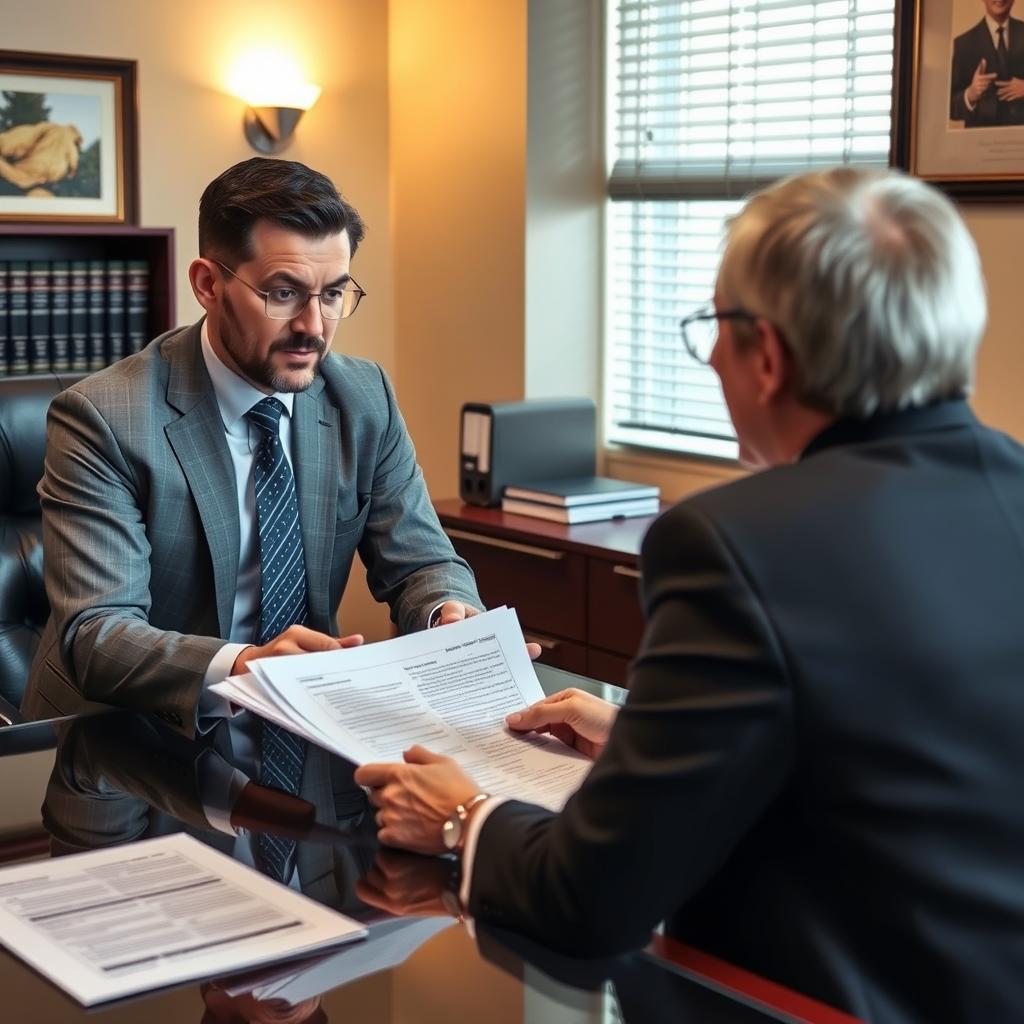
Felony Conviction Divorce Lawyer Dinwiddie County, VA
Your spouse was convicted of a felony in Virginia and is now serving a sentence of more than one year. You know the marriage is over, but you are not sure how to move forward. Virginia law gives you a path: if your spouse has been convicted of a felony and sentenced to confinement for more than one year, you may file for divorce on that specific fault ground under Va. Code § 20-91. Law Offices Of SRIS, P.C. Concentrates its family law practice on helping clients in Dinwiddie County navigate divorce when a spouse’s incarceration raises complex questions about property, custody, and support. This firm represents the spouse seeking divorce—not the incarcerated spouse. Call (888) 437-7747 to schedule a consultation with Mr. Sris and his Of Counsel team. Law Offices Of SRIS, P.C. – Advocacy Without Borders.
What Felony Conviction Divorce Means in Dinwiddie County, Virginia
Virginia is an equitable distribution state, and a divorce based on a spouse’s felony conviction follows the same procedural path as any other divorce—except the ground itself eliminates the usual separation period. Under Va. Code § 20-91, a spouse convicted of a felony and sentenced to confinement for more than one year may not force the innocent spouse to wait out a separation period before the divorce can be finalized. The non-incarcerated spouse may file a Complaint for divorce in the Dinwiddie County Circuit Court, located at the Dinwiddie Courthouse, Dinwiddie, VA 23841. The Circuit Court has exclusive jurisdiction over divorce and equitable distribution matters, while related custody and support issues may also be addressed in the Dinwiddie County Juvenile and Domestic Relations District Court.
Although the ground itself is defined by statute, the practical realities of a felony conviction divorce in Dinwiddie County often turn on how property is classified and divided while one spouse is incarcerated. The court will determine which assets are marital and which are separate, then apply the factors under Va. Code § 20-107.3 to reach an equitable distribution. Because the incarcerated spouse may have limited ability to participate in proceedings, service of process and the presentation of evidence require careful attention. Our firm frequently works with private process servers and, when necessary, arranges for the incarcerated spouse to appear by video or through counsel. Mr. Sris and his Of Counsel understand the administrative steps required by the Dinwiddie County Circuit Court clerk’s office and can guide you through the practical hurdles of completing a divorce when one party is serving a felony sentence.
How Mr. Sris and His Of Counsel Handle Felony Conviction Divorce Cases
Mr. Sris and his Of Counsel team approach each felony conviction divorce by first confirming that the statutory ground is met—namely, that the spouse was convicted of a felony and sentenced to more than one year of confinement and that the conviction is final. In Virginia, a divorce on this ground does not require proof of the felony’s underlying facts beyond the conviction itself, but proper documentation must be presented to the court. Our firm obtains certified copies of the conviction order and sentencing documents, prepares the Complaint, and takes steps to ensure that the incarcerated spouse receives notice through a method the court will accept—whether by acceptance of service, a private process server, or, in some cases, by publication. Throughout the process, we work to resolve property division, spousal support, and, if children are involved, custody and child support in a way that protects your interests while the other spouse remains incarcerated.
Because equitable distribution in Virginia examines the totality of the marriage, a spouse’s felony conviction and long-term incarceration can affect how the court evaluates the statutory factors—particularly contributions to family wellbeing and the circumstances surrounding the dissolution of the marriage. Mr. Sris and his Of Counsel present a clear picture of the marital estate and advocate for a fair division of assets and debts. If the incarcerated spouse has retirement accounts, real property, or other assets, our team works with forensic accountants and valuation professionals as needed to develop an accurate inventory. The goal is to obtain a final decree that resolves all outstanding issues and allows you to move forward.
About Mr. Sris and His Of Counsel Team
Mr. Sris, Owner and Founder of Law Offices Of SRIS, P.C., has practiced law since 1997 and is a former prosecutor. He is admitted in Virginia, Maryland, the District of Columbia, New Jersey, and New York. Mr. Sris testified before the Virginia House Courts of Justice Committee in support of 2019 HB 635 (chief patron Del. David Bulova). His Of Counsel team includes attorneys with extensive background in family law, criminal justice, and civil litigation. Together, Mr. Sris and his Of Counsel bring over 120 years of combined legal experience. Results may vary. Mr. Sris and his Of Counsel have documented 4,739+ case results across all practice areas since 1997.
Our Richmond location serves Dinwiddie County clients from 7400 Beaufont Springs Drive, Suite 300, Room 395, Richmond, VA 23225. By appointment only—call (888) 437-7747 to schedule.
Frequently Asked Questions
Can I divorce my spouse if they are in prison for a felony in Virginia?
Yes, Virginia law permits a spouse to file for divorce when the other spouse has been convicted of a felony and sentenced to confinement for more than one year. This fault-based ground is set out in Va. Code § 20-91. The divorce may be filed as soon as the conviction is final; no separation period is required. The case is brought in the Circuit Court of the county where either spouse resides. In Dinwiddie County, the Circuit Court at the Dinwiddie Courthouse handles all divorce and equitable distribution matters. To begin, the filing spouse must present certified copies of the conviction documents and show that the sentence exceeds one year. Consulting an experienced family law attorney helps ensure the paperwork is proper and that issues like property division and support are addressed.
What proof do I need for a felony conviction divorce in Dinwiddie County?
The essential proof is a certified copy of the final conviction order and documentation of the sentence showing confinement for more than one year. The Dinwiddie County Circuit Court will require that the conviction is final and that the sentence meets the statutory duration. Additional evidence may include the sentencing order from the criminal court, a certificate of incarceration from the Virginia Department of Corrections, and any documents confirming that the spouse remains confined. If the divorce involves property division or custody, you will also need financial records and evidence relevant to the best interests of the children. An attorney can help you gather and authenticate the necessary documents so the court can proceed without unnecessary delays.
Does a felony conviction divorce affect property division in Virginia?
Yes, the court considers all relevant factors during equitable distribution, and a spouse’s felony conviction may influence how marital property and debts are divided. Under Va. Code § 20-107.3, the Circuit Court evaluates factors such as each spouse’s contributions to the family, the circumstances experienced to the dissolution of the marriage, and the needs of each party. A felony conviction that results in long-term incarceration can affect the weight given to those factors. For instance, the court may consider the innocent spouse’s sole responsibility for household expenses during the incarceration. Separate property—acquired before marriage or by gift or inheritance—remains with the respective spouse. Mr. Sris and his Of Counsel can help present a detailed picture of the marital estate to support a fair outcome.
How long does a felony conviction divorce take in Dinwiddie County?
The timeline varies depending on court scheduling, whether the incarcerated spouse contests the divorce, and how quickly required documents can be obtained. Because the felony conviction ground eliminates the waiting period that applies to no-fault divorces, the case may move faster once filed. The Dinwiddie County Circuit Court sets hearings based on its calendar. If the incarcerated spouse does not respond or agrees on all issues, the divorce can proceed on an uncontested basis. When matters are contested—for example, if custody or support is disputed—the process takes longer. Mr. Sris and his Of Counsel work to keep each case moving efficiently through the court, including by arranging for remote appearances when the incarcerated spouse is unable to attend in person.
Can I get custody of my children if my spouse is convicted of a felony?
Yes, the felony conviction and incarceration of a spouse are significant considerations in a custody determination, but the court’s primary focus remains the best interests of the child. The Dinwiddie County Juvenile and Domestic Relations District Court (or the Circuit Court when part of a divorce) applies the ten factors under Va. Code § 20-124.3. A parent’s felony conviction and imprisonment will almost always affect the child’s day-to-day care, and the court generally awards custody to the non-incarcerated parent when that arrangement serves the child’s needs. However, the court will still evaluate the child’s relationship with each parent, the ability of each to provide care, and any history of abuse. Our firm helps non-incarcerated parents present evidence that supports a stable custody and visitation arrangement.
Related pages:
Dinwiddie County Divorce Lawyer ·
Family Law Attorney Dinwiddie County ·
Custody and Visitation Dinwiddie County
Virginia legal resources:
Va. Code § 20-91 (grounds for divorce) ·
Dinwiddie County Circuit Court ·
Virginia Juvenile and Domestic Relations District Courts
Attorney advertising. Prior results do not guarantee a similar outcome. Results may vary.
Case results depend on a variety of factors unique to each case.