
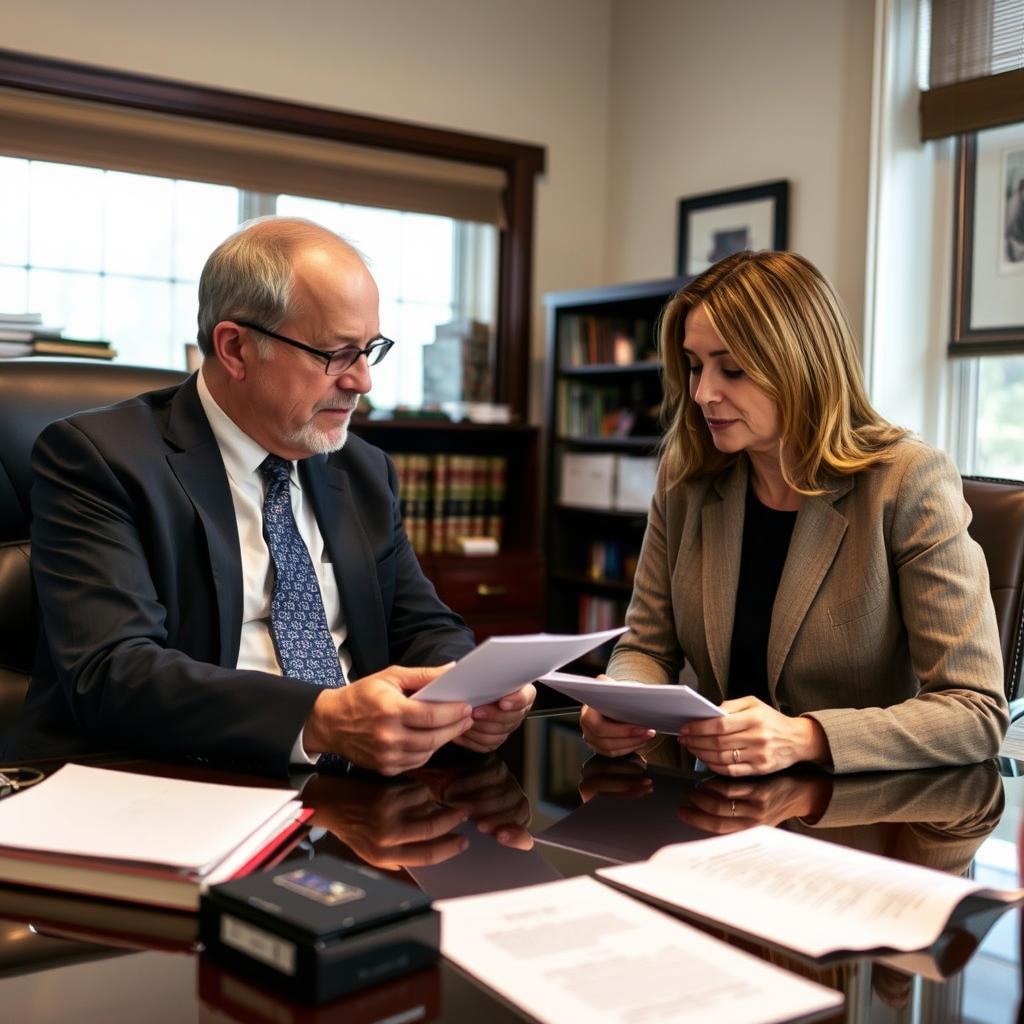
Legal Custody Lawyer Fluvanna County, VA
You are sitting at your kitchen table in Palmyra, staring at court papers that say “custody hearing.” The words “legal custody” keep jumping off the page, and you are not quite sure what they mean for your relationship with your child. You need someone who can walk you through what legal custody really covers in Fluvanna County and how the court makes its decision — someone who appears regularly at the Fluvanna County Juvenile & Domestic Relations District Court and understands the local process. Mr. Sris and his Of Counsel at Law Offices Of SRIS, P.C. represent parents in legal custody disputes in Fluvanna County, helping you understand your options and present your side. Reach our location at (888) 437‑7747. Law Offices Of SRIS, P.C. – Advocacy Without Borders.
What Legal Custody Means in Fluvanna County, Virginia
Legal custody is the right to make major decisions about a child’s upbringing — things like medical care, education, religious training, and extracurricular activities. It is separate from physical custody, which determines where the child lives day to day. In Fluvanna County, as throughout Virginia, a parent with sole legal custody makes these decisions independently; joint legal custody means both parents share that authority and must communicate about important choices. The Fluvanna County Juvenile & Domestic Relations District Court handles standalone custody petitions at 72 Main Street, Suite B, Palmyra. When legal custody is tied to a divorce, the matter moves to the Fluvanna County Circuit Court at the same courthouse address. Knowing which courtroom your case belongs in and what the judge considers is the first step toward protecting your parental role.
Virginia law requires the judge to decide custody based on the child’s best interests under Va. Code § 20‑124.3. The court looks at the child’s age, relationship with each parent, each parent’s willingness to support the other parent’s relationship with the child, any history of family abuse, and several other factors. The judge does not automatically favor mothers or fathers — the focus is on the child’s needs. Because the decision rests on a wide range of evidence, having a legal custody lawyer who knows how to present your side clearly at the Fluvanna County courthouse can make a meaningful difference. Mr. Sris and his Of Counsel work to build a record that reflects your involvement, your child’s routine, and any concerns that affect well-being.
How a Custody Dispute Moves Through the Fluvanna County Courts
If you file a petition for legal custody, the case begins in the Juvenile & Domestic Relations District Court unless it is part of a divorce, in which case the Circuit Court has jurisdiction. In a standalone custody case, the J&DR court schedules a hearing, often after a pretrial conference where the parties and counsel discuss the issues. The judge may order mediation — mediation is available in Fluvanna County but not mandatory — to see whether the parents can reach an agreement before a contested hearing. If an agreement is reached, the judge will review it to make sure it serves the child’s best interests and enter a custody order. If not, the case proceeds to a trial where both sides present evidence. Mr. Sris and his Of Counsel appear regularly before the Fluvanna County bench and understand the court’s expectations for evidence, witness testimony, and the kind of information the judge finds persuasive.
Throughout the process, the court may also appoint a Guardian ad Litem — an attorney who represents the child’s interests and makes a recommendation to the court. Parents should be prepared to cooperate with the Guardian ad Litem and to provide documentation that shows their day-to-day involvement, communication history, and any concerns about the other parent. Because legal custody orders can be modified if circumstances change, the court will also look at whether a parent has been supporting the child’s relationship with the other parent. Mr. Sris and his Of Counsel counsel clients through each stage, from gathering evidence to preparing for the hearing, and help you present the facts that matter under Virginia law.
Potential Outcomes in a Fluvanna County Legal Custody Case
The judge can award sole legal custody to one parent or joint legal custody to both. Joint legal custody requires the parents to confer on major decisions, and the court will specify how disagreements are resolved, often by naming one parent as the tie-breaker for certain categories. If the court finds that communication between the parents is so broken that joint legal custody would harm the child, or if there is a history of abuse, sole custody to one parent is a possible outcome. The decision is never final in the sense that it can be modified later if there is a material change in circumstances, but the existing order carries significant weight. Because legal custody determines who enrolls the child in school, consents to medical treatment, and makes other key decisions, the outcome affects your daily life long after the court hearing ends. Mr. Sris and his Of Counsel focus on building the factual record that supports your requested custody arrangement; outcomes depend on the unique facts of each case, and no attorney can guarantee a specific result.
Meet Mr. Sris and His Of Counsel Team
Mr. Sris, Owner and Founder of Law Offices Of SRIS, P.C., has practiced family law since 1997. He is a former prosecutor who now concentrates on family law matters including custody, divorce, and support. Mr. Sris and his Of Counsel bring over 120 years of combined legal experience and have achieved 4,739+ documented firm-wide results. Results may vary. Together they have documented thousands of case results, including custody matters in Fluvanna County and across Virginia. Mr. Sris is admitted in Virginia, Maryland, the District of Columbia, New Jersey, and New York. When you work with our firm, your case is prepared by an experienced team that understands the local court procedures and the factors that influence a Fluvanna County judge’s decision on legal custody.
Frequently Asked Questions About Legal Custody in Fluvanna County
What is legal custody?
Legal custody is the authority to make major decisions about a child’s upbringing, including education, healthcare, and religious training. It is separate from physical custody, which deals with where the child lives. A parent with sole legal custody decides alone; joint legal custody means both parents share decision-making power. The Fluvanna County Juvenile & Domestic Relations District Court determines legal custody in standalone cases, while the Circuit Court handles it in a divorce. The child’s best interests govern the decision under Va. Code § 20‑124.3. For a personalized discussion of your situation, call (888) 437‑7747.
How does legal custody differ from physical custody?
Legal custody involves decision-making authority, while physical custody concerns where the child resides. One parent may have sole legal custody but share physical custody, or the reverse. In Fluvanna County, the court may separate the two, granting joint legal custody even if one parent has primary physical custody. Understanding this distinction helps parents focus on what they can realistically achieve in a custody case. Contact Law Offices Of SRIS, P.C. at (888) 437‑7747 to discuss how your specific goals fit within Virginia’s framework.
How does a judge decide legal custody in Fluvanna County?
The judge weighs ten statutory factors under Va. Code § 20‑124.3, all centered on the child’s best interests. Those factors include the child’s age, each parent’s role, the child’s relationship with each parent, any history of abuse, and each parent’s willingness to support the child’s relationship with the other parent. At the Fluvanna County courthouse on Main Street in Palmyra, the judge will also consider input from a Guardian ad Litem if one is appointed. An attorney can help organize evidence — school records, medical histories, communication logs — to address each factor. For a consultation, reach Mr. Sris and his Of Counsel at (888) 437‑7747.
Can I get joint legal custody if the other parent fights it?
Yes, a court can award joint legal custody even when one parent objects, if the judge finds it serves the child’s best interests. The court looks at whether the parents can communicate about decisions, not whether they always agree. In Fluvanna County, a judge may order joint legal custody with a tie-breaking provision for certain categories if the parents cannot agree. An experienced legal custody lawyer can present evidence of your cooperation and commitment to co‑parenting, which often influences the judge’s decision. Call (888) 437‑7747 to discuss your case.
Do I need a lawyer for a legal custody hearing?
You are not required to have a lawyer, but representing yourself can be challenging because the judge applies complex statutory factors and evidentiary rules. In Fluvanna County, the court expects you to know the procedures, present admissible evidence, and cross-examine witnesses if necessary. An attorney familiar with the local practices at the Palmyra courthouse can help you present your strong case. Mr. Sris and his Of Counsel have handled custody matters in Fluvanna County and across Virginia. To schedule a consultation, call (888) 437‑7747.
What should I bring to a consultation about legal custody?
Bring any existing court orders, your child’s school and medical records, a calendar showing your parenting time, and any written communication with the other parent about decision-making. In Fluvanna County custody cases, documentation of your involvement and attempts to cooperate can be very helpful. If a Guardian ad Litem has been appointed, provide that attorney’s contact information. The more you bring, the sooner Mr. Sris and his Of Counsel can assess your situation. Reach our location at (888) 437‑7747 to prepare for your first meeting.
How long does a custody case take in Fluvanna County?
The timeline varies depending on whether the case is contested, whether mediation resolves it early, and the court’s docket. In Fluvanna County, an agreed custody order can be entered relatively quickly after a pretrial conference, while a contested hearing may take longer. The court schedules hearings on its own calendar; parties should expect several appearances. Mr. Sris and his Of Counsel work to move your case forward while ensuring you are prepared for each step. For more information, call (888) 437‑7747.
Can a legal custody order be changed later?
Yes, the court can modify a custody order if there is a material change in circumstances and the modification serves the child’s best interests. In Fluvanna County, a parent can ask the Juvenile & Domestic Relations District Court to modify legal custody if, for instance, the other parent is making harmful decisions or refusing to communicate. The parent seeking the change must present evidence of the changed circumstances. Mr. Sris and his Of Counsel can evaluate whether your situation meets the standard for modification. Call (888) 437‑7747 to discuss the process.
What happens if my ex-spouse wants to move away?
Virginia law requires 30 days’ advance written notice of an intended relocation under Va. Code § 20‑124.5 in custody cases. If the move affects the ability to share legal custody, a Fluvanna County judge may reevaluate the custody arrangement. The court will consider how the move impacts decision-making and the child’s relationship with both parents. It is important to raise any concerns promptly and to document communication about the move. For guidance on relocation and its impact on legal custody, reach Law Offices Of SRIS, P.C. at (888) 437‑7747.
For a comprehensive statutory analysis of Virginia custody law, visit our statewide resource at srislawyer.com.
Related Legal Custody Resources:
Fairfax County Family Law ·
Prince William County Family Law ·
Manassas Family Law ·
Loudoun County Family Law
Primary source authorities:
Fluvanna County Courts ·
Virginia Code Title 20 — Domestic Relations ·
Virginia State Bar
Attorney advertising. Prior results do not guarantee a similar outcome.
Results may vary.
Case results depend on a variety of factors unique to each case.