
Note: This article is confirmed by Law Offices Of SRIS, P.C.
WRITTEN BY: Mr. Sris
Since 1997, Mr. Sris has led the firm, focusing on the most challenging criminal and family law cases. His background in accounting and information management aids in financial and technology-related cases. Involved in significant legislative changes in Virginia. My focus since founding the firm in 1997 has always been directed towards personally handling the most challenging and involved criminal and family law matters our clients face.
Permanent Alimony Lawyer New Kent VA
What is Permanent Alimony
Permanent alimony represents a significant legal commitment in divorce proceedings. This financial arrangement involves one spouse providing ongoing support to the other following marriage dissolution. Virginia law establishes specific criteria for these orders, which differ from temporary or rehabilitative support arrangements.
The legal foundation for permanent alimony in Virginia centers on maintaining fairness and addressing economic disparities created by marriage. Courts examine the duration of marriage, each spouse’s earning capacity, and their respective financial needs. The goal involves ensuring neither party faces undue hardship following divorce.
Establishing permanent alimony requires demonstrating specific circumstances to the court. Virginia law permits indefinite support when one spouse cannot become self-supporting due to age, disability, or other substantial factors. The requesting party must show genuine need and the paying spouse’s ability to provide ongoing support.
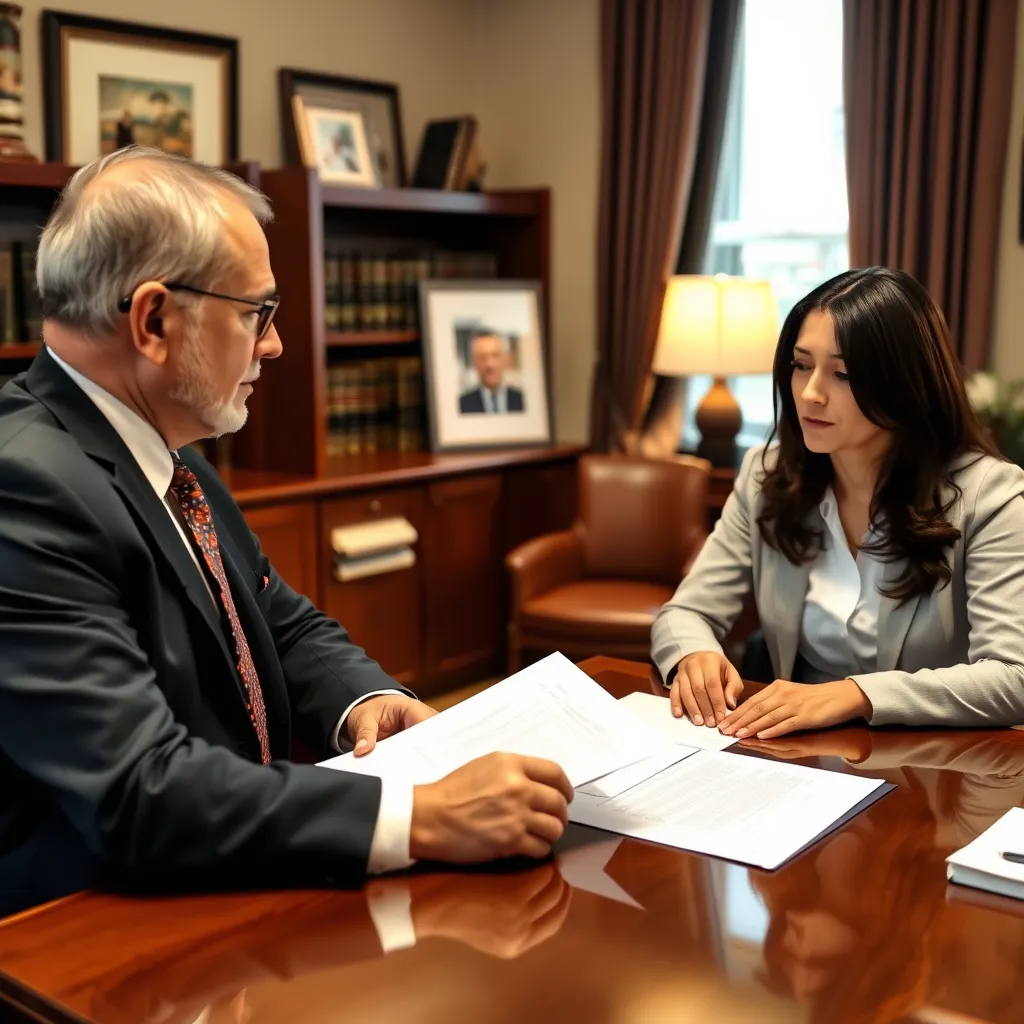
Legal professionals help clients understand the implications of permanent alimony arrangements. These orders can significantly impact long-term financial planning for both parties. Proper legal guidance ensures clients make informed decisions about their financial futures.
How to Address Permanent Alimony Matters
The process for addressing permanent alimony matters begins with comprehensive financial assessment. Both parties must provide complete documentation of income, assets, and expenses. This information forms the basis for determining appropriate support levels and duration.
Legal professionals guide clients through Virginia’s specific procedural requirements. The process involves filing appropriate motions, attending hearings, and presenting evidence effectively. Understanding court expectations and timelines helps manage the legal process efficiently.
Developing effective legal arguments requires careful analysis of relevant factors. Virginia courts consider marriage duration, each spouse’s earning capacity, and their respective needs. Presenting clear evidence about these elements helps establish appropriate support arrangements.
Alternative dispute resolution methods may provide options for resolving alimony matters. Mediation or negotiation can sometimes lead to mutually acceptable agreements without court intervention. These approaches often reduce conflict and legal expenses.
Can I Modify Permanent Alimony Arrangements
Modifying permanent alimony arrangements requires meeting specific legal standards in Virginia. The requesting party must demonstrate substantial change in circumstances affecting the original order’s fairness. Courts examine whether changes justify adjustment to the existing arrangement.
Common grounds for modification include significant income changes for either party. Job loss, career advancement, or retirement may qualify as substantial changes. The court evaluates how these changes affect each party’s financial situation and support needs.
Health changes or disability developments can also support modification requests. Medical conditions affecting earning capacity or increasing expenses may justify adjustments. Proper medical documentation and financial evidence strengthen modification petitions.
Remarriage or cohabitation often affects alimony eligibility in Virginia. The receiving spouse’s new relationship may reduce or eliminate support obligations. Legal guidance helps understand how these life changes impact existing arrangements.
Why Hire Legal Help for Permanent Alimony Matters
Professional legal assistance offers significant advantages for permanent alimony matters. Attorneys understand Virginia’s specific statutory requirements and case law precedents. This knowledge helps clients handle involved legal standards and procedural rules effectively.
Legal professionals help clients develop comprehensive strategies for their situations. They analyze financial circumstances, assess eligibility factors, and identify appropriate legal approaches. This strategic planning increases chances of achieving fair and sustainable outcomes.
Document preparation and evidence presentation benefit from legal experience. Attorneys know what information courts require and how to present it effectively. Proper documentation strengthens cases for establishing, modifying, or contesting alimony arrangements.
Ongoing legal support provides continuity for long-term matters. Permanent alimony arrangements may require future modifications or enforcement actions. Having established legal representation ensures consistent handling of these evolving situations.
FAQ:
What factors determine permanent alimony in Virginia?
Virginia courts consider marriage duration, earning capacity, needs, and each spouse’s financial situation when determining permanent alimony arrangements.
How long does permanent alimony last?
Permanent alimony continues until court order modification or specific conditions like remarriage or death occur under Virginia law.
Can permanent alimony be modified?
Yes, permanent alimony can be modified when substantial financial changes occur for either party under Virginia legal standards.
What happens if the paying spouse loses their job?
Job loss may qualify for modification if it represents substantial change affecting ability to pay under existing order.
Does remarriage affect permanent alimony?
Remarriage typically terminates permanent alimony obligations for the receiving spouse under Virginia law.
How is permanent alimony amount determined?
Courts consider both parties’ financial needs, earning capacity, and standard of living during marriage when setting amounts.
Can permanent alimony be waived?
Parties may agree to waive permanent alimony through marital settlement agreements approved by the court.
What documentation is needed for permanent alimony cases?
Financial records, income verification, expense documentation, and relevant personal information support alimony determinations.
How does cohabitation affect permanent alimony?
Cohabitation may reduce or eliminate alimony if it affects the receiving spouse’s financial needs under Virginia law.
What if the paying spouse refuses to pay?
Court enforcement actions can address non-payment through various legal remedies available under Virginia law.
Can permanent alimony continue after retirement?
Retirement may qualify for modification if it substantially changes the paying spouse’s financial situation.
How quickly can permanent alimony be modified?
Modification timing depends on court schedules and the challenge of the circumstances requiring change.
Past results do not predict future outcomes