
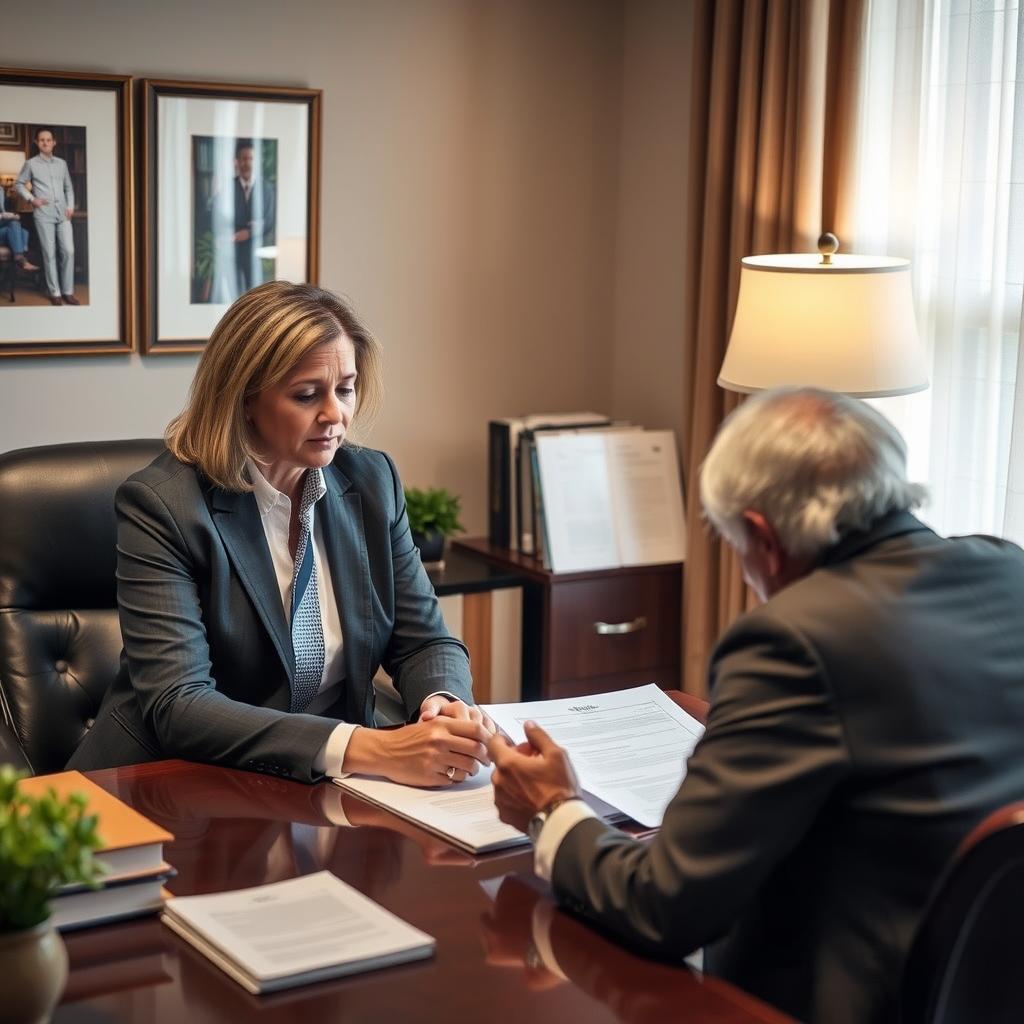
Rehabilitative Alimony Lawyer Chesterfield County, VA
Rehabilitative alimony is a form of spousal support that provides the financially dependent spouse with time‑limited assistance. Under Virginia law, the purpose of rehabilitative support is to help a spouse obtain the education, training, or work experience needed to become self‑supporting after a divorce. For individuals in Chesterfield County who are either seeking or facing a claim for rehabilitative alimony, the matters are heard in the Chesterfield County Circuit Court, which has exclusive jurisdiction over divorce and equitable distribution, including all spousal support determinations. The court evaluates the statutory factors set out in Va. Code § 20‑107.1 to decide whether rehabilitative alimony is appropriate and, if so, the amount and duration of the award. Because the outcome can substantially affect both parties’ financial futures, having experienced counsel who understands how Chesterfield County judges apply these factors is a crucial step. To discuss your situation, reach Law Offices Of SRIS, P.C. at (888) 437‑7747. Law Offices Of SRIS, P.C. – Advocacy Without Borders.
What Rehabilitative Alimony Means in Chesterfield County
Virginia law distinguishes rehabilitative alimony from temporary (pendente lite) support and indefinite support. Rehabilitative alimony is forward‑looking: the court sets a specific period during which the receiving spouse is expected to make a good‑faith effort to become self‑sufficient. The Chesterfield County Circuit Court, located at 9500 Courthouse Road, Chesterfield, VA 23832, evaluates the same set of factors for all spousal support awards under Va. Code § 20‑107.1, including the duration of the marriage, the standard of living established during the marriage, the age and physical and mental condition of each party, the earning capacity of each spouse, the contributions of each party to the marriage, and the ability of the paying spouse to meet the support obligation while also covering his or her own needs.
In Chesterfield County practice, rehabilitative alimony often becomes a central issue when one spouse has been out of the workforce for a significant time or lacks the credentials to immediately re‑enter the job market. The court may require the receiving spouse to present a concrete plan—such as completing a degree program, vocational training, or a job‑search strategy—that shows the support will serve a genuine rehabilitative purpose. The firm’s Richmond location routinely serves clients in Midlothian, Chester, Colonial Heights, Bon Air, Brandermill, and other communities in the county, providing representation in all phases of spousal support litigation.
How Mr. Sris and the Firm’s Of Counsel Attorneys Handle Rehabilitative Alimony Cases
Approaching a rehabilitative alimony case begins with a thorough review of the parties’ financial circumstances, work histories, and earning capacities. Mr. Sris, Owner and Founder of Law Offices Of SRIS, P.C., works alongside the firm’s Of Counsel attorneys to prepare an analysis that supports either a fair rehabilitative award or a defense against an unreasonable demand. The representation often involves gathering employment records, tax returns, experienced attorney vocational evaluations where appropriate, and evidence of the requesting spouse’s efforts to become self‑supporting. The attorneys focus on presenting a record that persuasively addresses each statutory factor under Va. Code § 20‑107.1.
When the matter proceeds to a hearing before the Chesterfield County Circuit Court, the attorneys present arguments tailored to the local bench and its application of the rehabilitative factors. Because the trial court has broad discretion in crafting a support award, effective advocacy requires a clear, evidence‑grounded narrative that shows why a particular duration and amount of support is equitable. Mr. Sris and the firm’s Of Counsel attorneys also work to negotiate settlement agreements that address rehabilitative alimony on mutually acceptable terms, reducing the time, cost, and uncertainty of litigation. Throughout the process, the goal is to achieve an outcome that respects the policy behind rehabilitative alimony — equipping a spouse to become independent while maintaining fairness to both parties.
About Mr. Sris and the Firm’s Of Counsel Attorneys
Mr. Sris, Owner and Founder of Law Offices Of SRIS, P.C., has practiced law since 1997 and is admitted in Virginia, Maryland, the District of Columbia, New Jersey, and New York. He is a former prosecutor, bringing a background in trial work to family law matters. Mr. Sris testified before the Virginia House Courts of Justice Committee in support of 2019 HB 635 (chief patron Del. David Bulova). The firm’s Of Counsel attorneys contribute experience across multiple practice areas, including family law, and appear in Chesterfield County courts under the supervision of Mr. Sris. Together, Mr. Sris and the firm’s Of Counsel attorneys bring extensive combined legal experience. Results may vary.
The firm’s Richmond location serves clients throughout Chesterfield County, and all consultations are by appointment. To reach Mr. Sris and the firm’s Of Counsel attorneys, call (888) 437‑7747.
Frequently Asked Questions
What is the difference between rehabilitative alimony and indefinite support in Virginia?
Rehabilitative alimony is a temporary award intended to help a spouse become self‑supporting, whereas indefinite support continues without a fixed end date. Under Va. Code § 20‑107.1, the court may award indefinite support if a spouse is unable to support himself or herself through appropriate employment due to age, disability, or other circumstances that make rehabilitation unlikely. Rehabilitative alimony, by contrast, has a clear end date and often terminates when the recipient completes a job‑training program or a specified number of years passes. The Chesterfield County Circuit Court determines which type of support is appropriate based on the evidence presented at trial.
How does the court decide the amount and duration of rehabilitative alimony?
The court weighs the 13 factors in Va. Code § 20‑107.1, including the length of the marriage, the earning capacity of each spouse, the receiving spouse’s need for education or training, and the paying spouse’s ability to pay. The judge considers the specific plan the requesting spouse presents, such as the cost of a degree program and the time required to complete it. An attorney experienced in Chesterfield County family law matters can help organize financial information and present a plan that aligns with how the local bench evaluates those factors.
Can a rehabilitative alimony order be changed later?
Yes, a rehabilitative alimony order may be modified if there has been a material change in circumstances since the order was entered. Either party can file a motion to modify support, showing that the change warrants a different amount or duration. For example, the receiving spouse might need more time if a training program runs longer than expected, or the paying spouse may seek a reduction if the recipient becomes self‑supporting earlier. Modification hearings are also held in the Chesterfield County Circuit Court.
Do I need a lawyer if my spouse and I agree on rehabilitative alimony?
Even when both spouses agree, consulting an attorney helps ensure that the agreement accurately reflects the statutory framework and protects your rights. A written separation agreement that addresses rehabilitative alimony must be clear about the amount, duration, and the terms under which support ends. An attorney can review the agreement for compliance with Virginia law and draft provisions that reduce future disputes. Law Offices Of SRIS, P.C. can assist with drafting such agreements. Call (888) 437‑7747 to request a consultation.
What happens if a party does not pay court‑ordered rehabilitative alimony?
Non‑payment of court‑ordered rehabilitative alimony can lead to enforcement proceedings, including income withholding, contempt of court, or a judgment for arrears. The Chesterfield County Circuit Court has the authority to enforce its own support orders. The recipient can file a show‑cause motion, and if the court finds the payor has willfully failed to pay, it may order the payor to pay the arrears plus attorney fees and costs. In serious cases, the court may hold the non‑paying spouse in contempt.
Primary legal resources — Virginia law and courts
Attorney advertising. Prior results do not guarantee a similar outcome.
Results may vary.
Case results depend on a variety of factors unique to each case.