
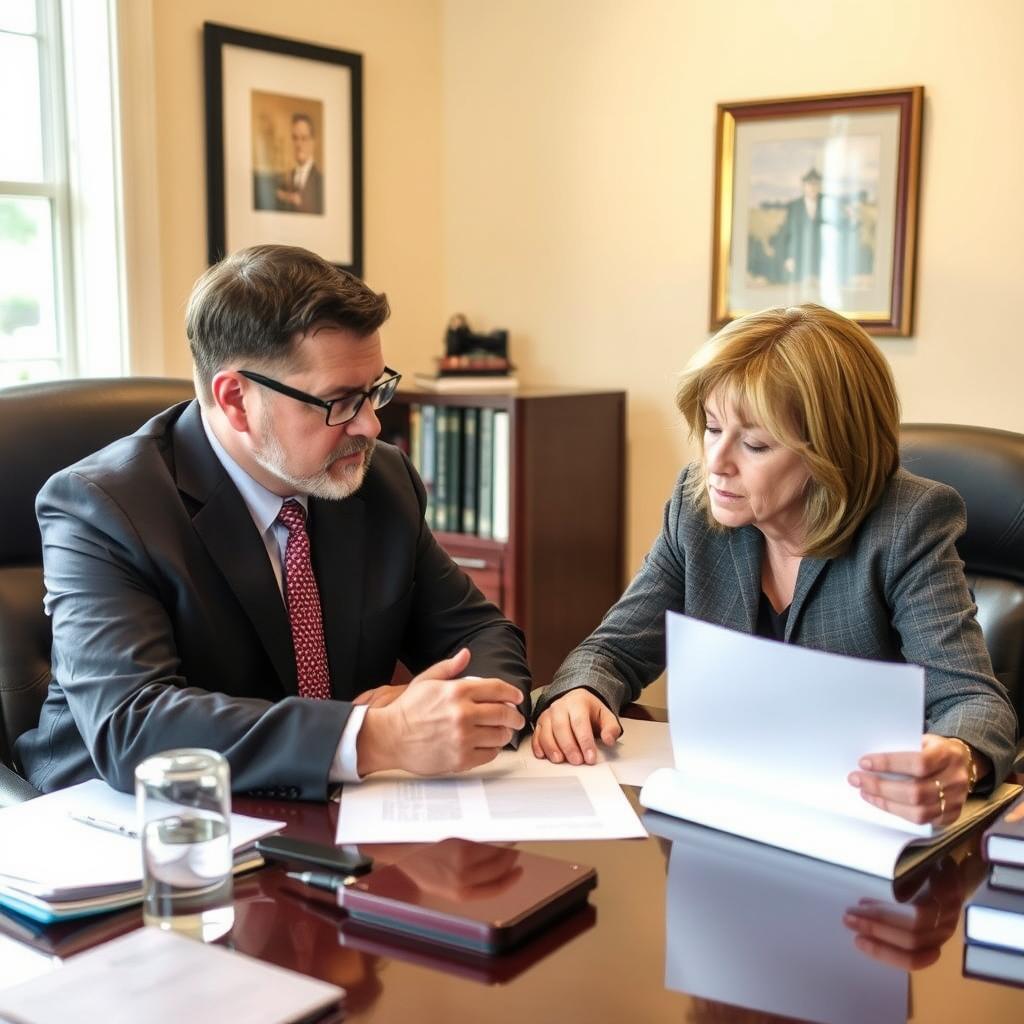
Temporary Custody Lawyer Fluvanna County, VA
When parents in Fluvanna County face an immediate concern about a child’s safety or living arrangements, temporary custody orders provide a short-term resolution while a more permanent arrangement is negotiated or adjudicated. At Law Offices Of SRIS, P.C., Mr. Sris and his Of Counsel bring extensive combined legal experience to temporary custody matters heard in the Fluvanna County Juvenile and Domestic Relations District Court, helping parents protect what matters most. Temporary custody in Virginia is governed by the trusted-interests standard under Va. Code § 20-124.2 and the ten statutory factors of § 20-124.3. For a consultation, reach Law Offices Of SRIS, P.C. at (888) 437-7747. Law Offices Of SRIS, P.C. – Advocacy Without Borders.
Temporary custody proceedings in Fluvanna County arise in a variety of contexts—during a pending divorce, after a separation, or when a non-parent relative seeks to intervene due to concerns about a child’s welfare. The Fluvanna County Juvenile and Domestic Relations District Court, located in Palmyra, Virginia, has jurisdiction over custody matters involving unmarried parents and certain petitions filed by relatives or guardians. The court’s docket includes emergency hearings, preliminary protective order proceedings, and pendente lite custody determinations that address urgent living situations. Understanding which court has jurisdiction and what procedural steps apply is an important early consideration for anyone seeking a temporary custody order in this locality.
What Temporary Custody Means in Fluvanna County
In Fluvanna County, a temporary custody order is a court-issued directive that establishes where a child will reside and which parent or caretaker has decision-making authority during the pendency of a divorce, separation, or custody dispute. The Fluvanna County Juvenile and Domestic Relations District Court handles standalone custody, visitation, and support petitions, while the Fluvanna County Circuit Court addresses custody matters that arise within a divorce or equitable distribution proceeding. Both courts apply the same statutory framework, but the procedural posture and the court’s familiarity with the parties can influence the outcome.
Temporary custody is not a final determination of parental rights; rather, it preserves the status quo or addresses an emergency while the court gathers evidence. A parent seeking temporary custody must show that the current arrangement is not in the child’s best interests or that the child faces a risk of harm. The court evaluates factors such as each parent’s involvement in the child’s life, the child’s relationship with siblings and extended family, and any history of domestic abuse or neglect. An experienced attorney can help present the facts coherently and focus the court’s attention on the factors most favorable to the child’s well-being.
The procedural path for obtaining a temporary custody order in Fluvanna County typically begins with filing a petition that sets forth the factual basis for the request. The petitioner must demonstrate to the court that immediate relief is warranted. Depending on the urgency, the court may schedule a hearing within a matter of days or weeks. In cases involving allegations of abuse or abandonment, a parent may also seek an emergency ex parte order, which can be granted without prior notice to the other party if the court finds that irreparable harm could result from delay. Following any ex parte order, a full hearing with both parties present is generally scheduled promptly to allow each side to present evidence and argument before the court makes a more enduring temporary custody determination.
How Mr. Sris and His Of Counsel Handle Temporary Custody Cases
Mr. Sris and his Of Counsel approach each temporary custody matter with a focus on the specific circumstances of the Fluvanna County family. They prepare a thorough petition or response that aligns with the statutory best-interests factors, gather relevant documentation—such as school records, medical reports, and witness statements—and present a clear narrative at the pendente lite hearing. Temporary custody hearings are often scheduled on an expedited basis, so prompt preparation is essential.
Throughout the process, the firm works to negotiate a consent temporary order when possible, saving the family the expense and stress of a contested hearing. If negotiation is not viable, Mr. Sris and his Of Counsel are prepared to advocate in court, cross-examine witnesses, and address any concerns the judge may raise. They also help parents understand that a temporary order can influence the final custody determination, making the temporary phase a critical stage in any custody dispute.
Preparation for a temporary custody hearing involves assembling evidence that speaks directly to the statutory factors the court must consider. This may include documentation of each parent’s involvement in the child’s education, healthcare decisions, and extracurricular activities. Witnesses such as teachers, pediatricians, neighbors, or family members may provide testimony regarding the child’s adjustment to each parent’s home and any observed interactions. The firm also advises clients on courtroom demeanor, the scope of direct and cross-examination, and how to address questions from the judge in a manner that is responsive and composed. Because temporary custody orders often set the tone for the remainder of the case, thorough preparation at this stage can have a lasting impact on the trajectory of the custody dispute.
Preparing for a Temporary Custody Hearing in Fluvanna County
Parents preparing for a temporary custody hearing in Fluvanna County should understand the logistics and expectations of the courtroom process. The Fluvanna County Juvenile and Domestic Relations District Court convenes at the Fluvanna County Courthouse in Palmyra. Hearings are typically conducted before a judge, and the atmosphere is formal. Each party, or their attorney, presents an opening statement, calls witnesses, introduces exhibits, and makes a closing argument. The judge may ask questions directly to the parties and may also interview the child in chambers if the child is of sufficient age and maturity, though this practice varies by judge and circumstance.
The evidentiary rules applied in temporary custody hearings are generally the same as those governing other civil proceedings, though judges sometimes exercise flexibility given the expedited nature of temporary relief. Parties should be prepared to present admissible evidence rather than relying on hearsay or unsubstantiated allegations. Documentation such as text messages, emails, photographs, and official records can be introduced if properly authenticated. An attorney can help ensure that the evidence presented complies with the Virginia Rules of Evidence and that objections to improper evidence are timely raised and preserved for the record.
Parents should also be aware that statements made during a temporary custody hearing may be used in subsequent proceedings, including the final custody trial. For this reason, careful preparation with counsel—including anticipating cross-examination and reviewing potential exhibits—is an important part of the process. Understanding the layout of the courthouse, the expected duration of the hearing, and the availability of court services such as mediation can also reduce anxiety and help parents focus on presenting their case effectively.
About Mr. Sris and His Of Counsel Team
Mr. Sris, Owner and Founder of Law Offices Of SRIS, P.C., founded the firm in 1997 and has since devoted his practice to family law and other civil litigation matters across Virginia, Maryland, the District of Columbia, New Jersey, and New York. A former prosecutor, Mr. Sris brings a distinctive courtroom perspective to family law representation. He testified before the Virginia House Courts of Justice Committee in support of 2019 HB 635 (chief patron Del. David Bulova).
Mr. Sris and his Of Counsel team include attorneys with backgrounds in prosecution, law enforcement, and complex civil litigation. Their extensive combined legal experience equips them to handle the procedural and emotional challenges that temporary custody cases present. The firm’s Shenandoah location serves clients in Fluvanna County and the surrounding region. To schedule a consultation, call (888) 437-7747.
Frequently Asked Questions
What is a temporary custody order in Fluvanna County?
A temporary custody order is a short-term court ruling that decides where a child will live and which parent has legal custody while a family law case is ongoing. In Fluvanna County, these orders are issued by the Juvenile and Domestic Relations District Court or the Circuit Court. The court determines temporary custody based on the child’s best interests, considering factors such as parental fitness, the child’s needs, and any history of abuse. The order remains in effect until the court modifies it or enters a final custody decree.
How do I file for temporary custody in Fluvanna County?
To file for temporary custody, a parent or guardian must submit a petition to the Fluvanna County Juvenile and Domestic Relations District Court, stating the reasons why the current arrangement is not in the child’s best interests. The petition should describe the child’s living situation and any immediate concerns. A hearing is typically scheduled quickly, especially if the child faces a risk of harm. It is advisable to work with an attorney to ensure the petition adequately addresses all statutory factors.
What factors does the court consider in a temporary custody hearing?
Virginia law requires the court to evaluate ten specific factors, codified at Va. Code § 20-124.3, when determining temporary custody. These include the age and mental condition of the child and each parent, the child’s relationship with each parent and siblings, each parent’s willingness to support the child’s relationship with the other parent, the child’s reasonable preference if appropriate, and any history of domestic abuse or neglect. The court may also consider other factors it deems relevant.
How long does a temporary custody order last in Fluvanna County?
A temporary custody order remains in effect until the court modifies it or enters a final order, which could take several months depending on the complexity of the case. The duration is not fixed by statute. Temporary orders are often revisited as the divorce or custody case progresses, and either parent may request a modification if circumstances change. An attorney can help you understand the typical timeline for your specific situation.
Can a temporary custody order be appealed?
Temporary custody orders are generally not immediately appealable, but a parent may request a rehearing or file a motion to modify if circumstances change. Because the order is interlocutory, challenging it typically requires waiting until a final custody determination is made unless the order is clearly erroneous and causes irreparable harm. Speaking with an attorney promptly can clarify your options.
Do I need a lawyer for a temporary custody case in Fluvanna County?
While you are not required to hire a lawyer, temporary custody determinations can have lasting consequences, and an experienced attorney can help you present a compelling case under Virginia’s best-interests standard. An attorney can gather evidence, prepare witnesses, and navigate the court’s procedural requirements. For guidance, reach Law Offices Of SRIS, P.C. at (888) 437-7747.
Explore our family law resources in other Virginia localities: Fairfax County, Fairfax City, Falls Church, Prince William County, and Manassas.
For additional information on Virginia family law, consult the Virginia Code Title 20 (Domestic Relations) and the Virginia Juvenile and Domestic Relations District Courts.
Attorney advertising. Prior results do not guarantee a similar outcome. Results may vary.
Case results depend on a variety of factors unique to each case.