
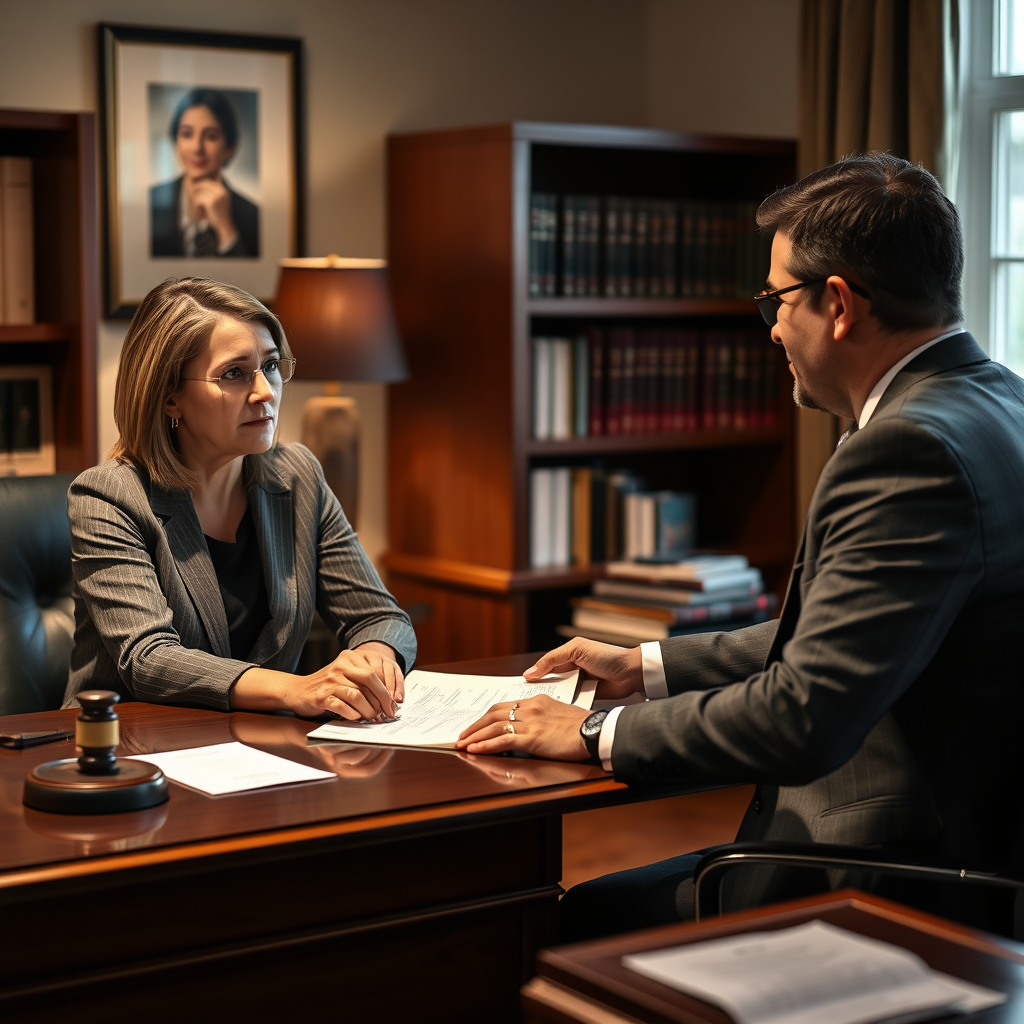
Types of Alimony in Virginia: A Complete Guide to Spousal Support
As of December 2025, the following information applies. In Virginia, understanding the types of alimony, also known as spousal support, involves various factors, including temporary (pendente lite), rehabilitative, defined duration, and indefinite support, all determined by unique circumstances and court considerations. The Law Offices Of SRIS, P.C. provides dedicated legal defense for these matters.
Confirmed by Law Offices Of SRIS, P.C.
What is Spousal Support (Alimony) in Virginia?
Spousal support, often called alimony, is a payment from one spouse to another after a divorce or legal separation. The idea behind it is to help a financially dependent spouse maintain a lifestyle similar to what they had during the marriage or to become self-sufficient. Virginia law, primarily under Virginia Code § 20-107.1, gives courts broad authority to determine if spousal support is appropriate, what type it should be, how much, and for how long. It’s not about punishing anyone; it’s about fairness and helping both parties move forward financially after the marriage ends.
Takeaway Summary: Spousal support in Virginia aims to provide financial assistance to a spouse to ensure a reasonable standard of living or to aid in achieving financial independence after divorce. (Confirmed by Law Offices Of SRIS, P.C.)
How to Navigate Spousal Support Decisions and Types in Virginia
Dealing with spousal support can feel like trying to solve a puzzle with missing pieces. Virginia law outlines several types of spousal support, each designed for different situations. Understanding these types is the first step toward figuring out what might apply to your case and how to pursue it. It’s not a one-size-fits-all situation; the court considers many factors, aiming for a fair outcome based on your unique circumstances.
Pendente Lite Support: Temporary Aid During Divorce Proceedings
Divorce cases can drag on, and financial needs don’t pause. Pendente lite support in Virginia is temporary spousal support awarded while your divorce case is still ongoing. It’s designed to help the financially dependent spouse cover their living expenses until a final order on spousal support can be issued. Think of it as a financial bridge to ensure neither party is left without resources during a lengthy legal battle. To get temporary spousal support in VA, a party usually files a motion with the court, providing financial affidavits detailing income, expenses, assets, and debts. The court then reviews these figures, often looking for immediate financial disparities, to make a decision quickly. This support typically ends once the final divorce decree is entered or a permanent spousal support order is established. It’s a critical tool for maintaining financial stability during an uncertain time.
Rehabilitative Alimony: A Helping Hand Towards Independence
Rehabilitative alimony in Virginia is all about helping a spouse get back on their feet and become financially independent. This type of support is often awarded when one spouse needs time, education, or training to gain marketable skills or improve their earning capacity. Maybe one spouse put their career on hold to raise children, or perhaps they lack the necessary skills to re-enter the workforce at a level comparable to their marital standard of living. The guidelines for rehabilitative alimony in Virginia focus on a specific purpose and a defined timeframe. The goal isn’t to provide support indefinitely, but rather to give a spouse the means to enhance their earning potential. How long does rehabilitative spousal support last in Virginia? It’s typically for a specific period, tied directly to the rehabilitation plan—whether that’s finishing a degree, vocational training, or gaining work experience. This type of support is often modifiable if circumstances change, such as the recipient completing their education sooner or finding employment earlier than expected.
Defined Duration Alimony: When There’s a Clear End in Sight
Defined duration spousal support in VA is pretty much what it sounds like: alimony with a clear start and end date. This type of support is common in shorter to medium-term marriages, or when the court believes the recipient spouse will be able to become self-supporting within a reasonable timeframe, even without extensive rehabilitation efforts. The court will consider various factors to determine the duration, such as the length of the marriage, the parties’ ages, and their individual capacities to become self-sufficient. While it has a set end date, defined duration alimony can sometimes be modified under certain circumstances, such as a material change in either party’s financial situation, though termination or modification requests can be complex. The idea is to provide transitional support without the expectation of permanent reliance.
Indefinite Alimony: The Concept of Permanent Spousal Support
Indefinite spousal support award in Virginia is often what people refer to as “permanent alimony.” However, it’s important to understand that in Virginia, true permanent alimony is not as common as other types. Courts typically reserve indefinite support for very long marriages where one spouse genuinely cannot become self-supporting due due to age, poor health, or significant disparity in earning capacity. For instance, if a couple was married for 30 years and one spouse, now in their late 60s, has a limited work history and health issues, indefinite support might be appropriate. Even then, “indefinite” doesn’t necessarily mean “forever.” This type of support is usually modifiable and terminates upon the remarriage of the recipient or the death of either party. When considering indefinite spousal support, courts look at all the factors, but the length of the marriage and the inability to achieve self-sufficiency are particularly weighed. If you are seeking or defending against an indefinite spousal support award in Virginia, or you need a lawyer for permanent alimony in Richmond, a knowledgeable attorney can guide you.
Lump Sum Alimony: A One-Time Financial Settlement
Lump sum spousal support in Virginia involves a single, one-time payment or a series of payments made over a very short, specified period instead of ongoing monthly payments. This option is often chosen for its finality; once the lump sum is paid, there are usually no further spousal support obligations. It can be particularly attractive to both parties who want to avoid the ongoing entanglements and potential future modifications that come with periodic payments. A court might award lump sum alimony in situations where there are significant marital assets that can be divided to facilitate such a payment, or where one party desires a clean break. While it offers predictability, it also means the recipient must manage a larger sum of money, and there’s generally no opportunity for future modification. It’s a strategic decision that needs careful consideration of long-term financial implications.
Key Factors Courts Consider for Spousal Support
When comparing types of alimony in Virginia, it’s clear that no single rule applies to every case. Virginia courts consider a comprehensive list of factors under Code of Virginia § 20-107.1 to determine if spousal support is appropriate, and if so, the amount and duration. These factors are not weighted equally in every case but are assessed holistically to achieve a fair outcome. Understanding these can help you anticipate how a court might view your situation, whether you are in Chesapeake exploring spousal support options or elsewhere in Virginia.
- The obligations, needs, and financial resources of the parties, including income from all sources: This is fundamental. The court examines each spouse’s financial standing to determine who needs support and who can provide it.
- The standard of living established during the marriage: The court tries to ensure, if possible, that both parties can maintain a lifestyle reasonably comparable to what they enjoyed during the marriage.
- The duration of the marriage: Generally, longer marriages are more likely to result in spousal support awards, particularly indefinite or defined duration.
- The age and physical and mental condition of each party: Health issues or advanced age can significantly impact a spouse’s ability to earn income and become self-sufficient, making support more likely.
- The extent to which the age, physical or mental condition, or special circumstances of any child of the parties would make it inappropriate for a party to seek employment outside the home: If a spouse needs to stay home to care for a child with special needs, this can impact their earning capacity and need for support.
- The contributions, monetary and nonmonetary, of each party to the well-being of the family: This includes contributions as a homemaker, parent, or supporting a spouse’s career or education.
- The property interests of each party, both real and personal, tangible and intangible: This includes assets like homes, investments, retirement accounts, and other valuable property.
- The provisions made with regard to the marital property under § 20-107.3: How marital assets are divided can influence the need for or ability to pay spousal support.
- The earning capacity of each party, including the skills, education, and training of the parties and the present employment opportunities for persons possessing such earning capacity: This looks at what each spouse *could* earn, not just what they *are* earning.
- The opportunity for, and the duration of, any training and education of either party to acquire the appropriate education, training, and employment to enhance his or her earning ability: This is particularly relevant for rehabilitative support.
- The decisions made by the parties during the marriage regarding employment, career, finances, and education and the effect of those decisions on present and future earning potential: For example, if one spouse sacrificed their career for the other’s advancement.
- Any other factors, including the tax consequences to each party, necessary to consider the equities between the parties: Courts have discretion to consider anything else relevant to fairness.
Modification and Termination of Spousal Support
No spousal support order is necessarily set in stone forever, especially those for defined duration or indefinite support. While lump sum alimony offers finality, periodic support orders can typically be modified or terminated under specific legal conditions. The most common reason for modification is a “material change in circumstances” that wasn’t anticipated when the original order was entered. This could include a significant job loss, a substantial increase in income for either party, a serious illness, or the recipient spouse’s cohabitation. For example, if the payor spouse suffers a major disability preventing them from working, they might seek a reduction or termination of payments. Conversely, if the recipient spouse’s needs dramatically increase due to unforeseen medical issues, they might request an increase. Spousal support generally terminates automatically upon the remarriage of the recipient spouse or the death of either party. It’s important to understand these provisions, as life rarely follows a perfectly straight line after divorce. If you believe your circumstances warrant a change to an existing spousal support order, seeking a confidential case review with a knowledgeable attorney is your best course of action to explore your options and protect your financial interests.
Can I Change My Spousal Support Order If My Circumstances Change?
It’s a common fear: what if your financial situation or your ex-spouse’s changes significantly after a spousal support order is in place? Blunt Truth: Yes, you can often seek to modify a spousal support order in Virginia, but it’s not a simple process. The key legal requirement is demonstrating a “material change in circumstances” that was not foreseen or considered when the original order was issued. This isn’t about minor fluctuations; it needs to be a substantial, permanent, and involuntary change affecting either party’s ability to pay or need for support. For example, if the paying spouse loses their job through no fault of their own, or the receiving spouse secures a high-paying position, these could be grounds for modification. However, a court won’t usually entertain changes based on temporary setbacks or voluntary decisions to reduce income. Understanding what constitutes a material change and how to present your case effectively to the court is paramount. Attempting to navigate these changes without proper legal guidance can lead to unfavorable outcomes. The ability to modify these orders provides a necessary safety valve, acknowledging that life continues to evolve post-divorce. However, it requires legal skill to present your case compellingly to a judge. Knowing when and how to act to protect your interests is vital for your long-term financial stability.
Why Hire Law Offices Of SRIS, P.C. for Your Virginia Spousal Support Case?
Dealing with spousal support can be one of the most emotionally and financially draining aspects of a divorce. At the Law Offices Of SRIS, P.C., we understand the stakes involved. Our approach is direct, empathetic, and focused on securing the best possible outcome for you. Mr. Sris leads our dedicated team, bringing years of focused experience to family law matters. As Mr. Sris himself puts it: “My focus since founding the firm in 1997 has always been directed towards personally handling the most challenging and complex criminal and family law matters our clients face.” This commitment means you have seasoned legal professionals fighting for your financial future.
The Law Offices Of SRIS, P.C. has locations in Virginia. Our office in Fairfax is located at 4008 Williamsburg Court, Fairfax, VA 22032. You can reach us by phone at +1-703-636-5417. We are here to offer a confidential case review, helping you understand your rights and options regarding spousal support.
Call now to schedule your confidential case review and gain clarity on your spousal support questions.
Frequently Asked Questions About Types of Alimony in Virginia
- What is the primary difference between rehabilitative and indefinite alimony?
- Rehabilitative alimony is temporary, aiming to help a spouse become self-sufficient through education or training. Indefinite alimony, while modifiable, has no set end date and is typically for long marriages where a spouse cannot achieve independence due to specific circumstances.
- Can I receive temporary spousal support while my divorce is pending?
- Yes, you can request pendente lite support (temporary spousal support) in Virginia. This support helps cover living expenses during the ongoing divorce proceedings until a final spousal support order is established by the court.
- How does the court determine the amount of alimony in Virginia?
- Virginia courts consider numerous factors, including each party’s financial needs and resources, the marriage duration, standard of living, age, health, earning capacities, and contributions to the family’s well-being, as outlined in state law.
- Is it possible to receive both a lump sum and ongoing spousal support?
- Generally, no. Lump sum alimony is typically a one-time settlement designed for finality, replacing ongoing periodic payments. It’s usually either one or the other, chosen based on specific case circumstances and financial strategies of the parties.
- What happens if my ex-spouse remarries while receiving alimony?
- In Virginia, spousal support automatically terminates upon the remarriage of the recipient spouse, unless a written agreement or court order specifically states otherwise. This is a common provision across all types of periodic alimony.
- Are there tax implications for spousal support in Virginia?
- For divorce decrees entered after December 31, 2018, spousal support payments are generally no longer deductible by the payor or taxable to the recipient under federal law. Virginia state tax rules may differ, so it is best to consult with a financial advisor.
- Can men receive spousal support in Virginia?
- Absolutely. Virginia law is gender-neutral when it comes to spousal support. Any spouse, regardless of gender, can be awarded alimony if they demonstrate a financial need and meet the legal criteria set forth by the court.
- How long do I have to be married to get alimony in Virginia?
- There’s no strict minimum marriage duration set by law for alimony eligibility in Virginia. However, the length of the marriage is a significant factor courts consider, with longer marriages generally having a higher likelihood of spousal support awards.
- Can a prenuptial agreement affect spousal support?
- Yes, a valid and enforceable prenuptial agreement in Virginia can dictate or waive spousal support provisions. If properly executed, these agreements can significantly alter what a court might otherwise order regarding alimony.
- Do attorneys’ fees get factored into alimony decisions?
- While attorneys’ fees are not directly part of the alimony calculation itself, a court may order one party to contribute to the other’s legal fees in a divorce case, especially if there’s a significant disparity in income or ability to pay. This is a separate consideration.
The Law Offices Of SRIS, P.C. has locations in Virginia in Fairfax, Loudoun, Arlington, Shenandoah and Richmond. In Maryland, our location is in Rockville. In New York, we have a location in Buffalo. In New Jersey, we have a location in Tinton Falls.
Past results do not predict future outcomes.